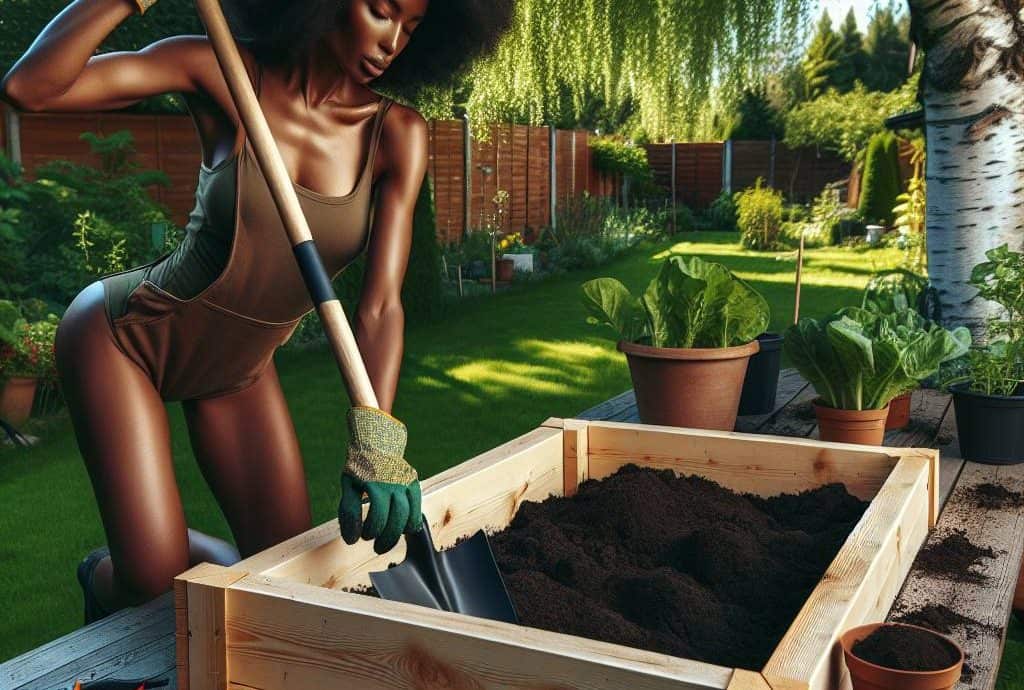
Master the Art of Building a Raised Garden Bed for Vegetables Today
I once told myself I’d be the kind of person who cultivates a garden, not just a messy garage full of tools and broken dreams. So, I decided to build a raised garden bed for vegetables. Big mistake. What started as a noble endeavor quickly became a wrestling match with warped wood and uneven ground. You know, the kind of battle where you end up with more splinters than vegetables. But hey, at least I discovered my true talent lies in swearing like a sailor when faced with a stubborn plank.
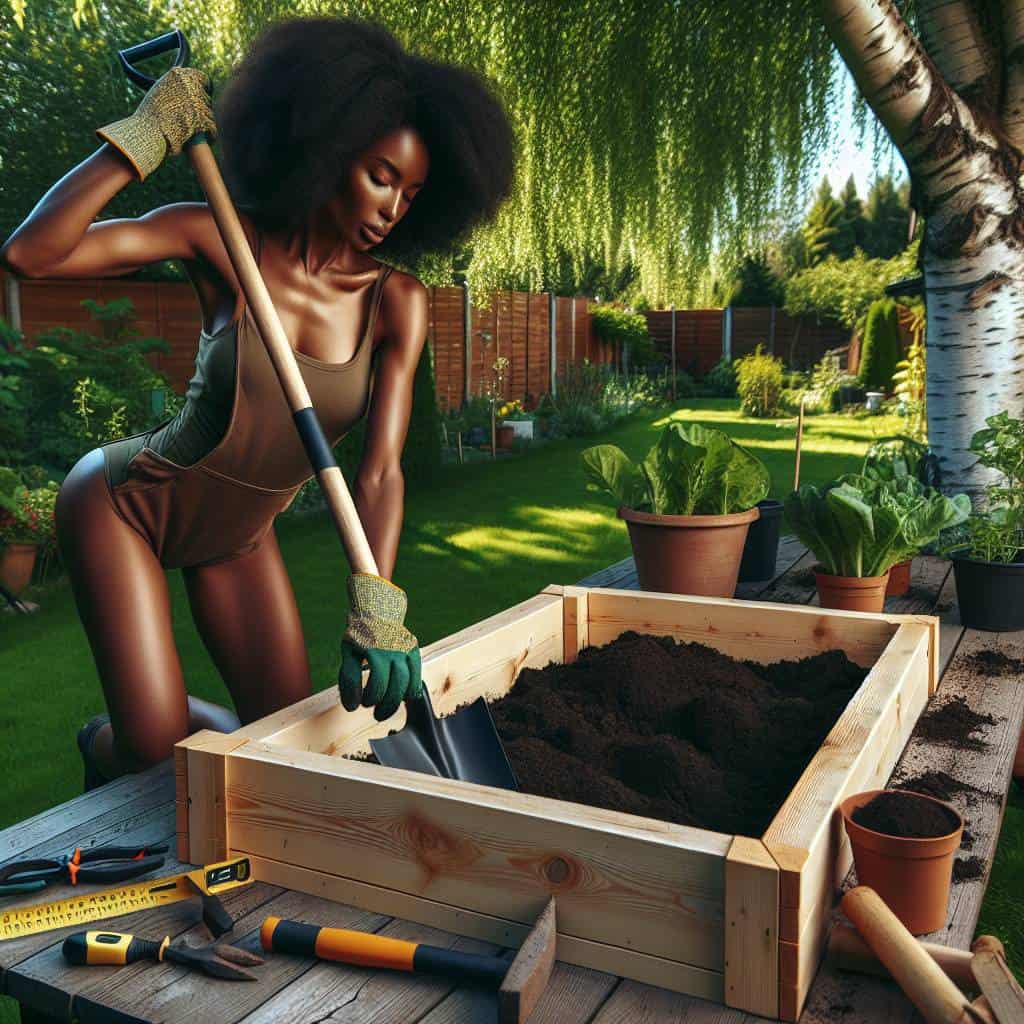
Now, if you’re ready to dive into the world of raised garden beds with all the grace of a one-legged duck, stick around. I’ll walk you through the nitty-gritty: picking the right wood that won’t rot faster than your enthusiasm, designing something that doesn’t look like an accidental art project, and finding the perfect spot in your yard that isn’t already claimed by weeds. We’ll get into the soil mixture that’ll make your veggies thrive and ensure you don’t end up with a glorified wooden coffin. Let’s get this garden party started—splinters optional.
Table of Contents
- How a Pile of Wood Became My Weekend Nemesis
- When ‘Easy’ Design Plans Turn Into a Puzzle
- The Great Soil Mixture Debate: To Compost or Not to Compost?
- Crafting Your Backyard Veggie Sanctuary
- Nailing Down the Details: What You Really Need to Know
- The Roots of Real Gardening
- Digging Into the Nitty-Gritty: Your Raised Bed Questions Answered
- The Wooden Truth of Gardening Dreams
How a Pile of Wood Became My Weekend Nemesis

I had no idea a simple stack of lumber could turn my weekend into a battle of wills, but here I was, glaring at it as if it had personally insulted me. The plan was straightforward: build a raised garden bed to finally grow those heirloom tomatoes I’d been dreaming about. But the pile of wood had other ideas. It sat there, mocking me with its potential and the endless possibilities it promised. I’d measured, sketched, and even mapped out the perfect location in the backyard, but it seemed that each piece of timber had a mind of its own, refusing to align with my aspirations.
The design was supposed to be simple, yet here I was, knee-deep in sawdust and frustration. The dimensions, once perfectly calculated on paper, seemed to warp in the reality of my backyard. It wasn’t just about cutting wood; it was about negotiating with it. Every cut was a conversation, every misalignment a test of patience. And let’s not even talk about the soil mixture. The wood was just the beginning. I had plans for the perfect blend of loam, compost, and some secret ingredients I’d picked up from years of tinkering in the garage. But first, I had to conquer this wooden beast that had taken up residence in my driveway.
In the end, it wasn’t just about building a garden bed—it was about mastering the chaos. I wanted that perfect rectangle of wood to sit proudly in its designated spot, ready to cradle the future of my vegetable empire. But the pile of wood taught me something crucial: precision is a dance, not a dictatorship. Each board, each nail, was a step closer to creating something that would outlast me, echoing the care and persistence I poured into it. So, while the wood may have been my weekend nemesis, it also became my unexpected teacher, reminding me that the best victories are hard-won and full of splinters.
When ‘Easy’ Design Plans Turn Into a Puzzle
The plan seemed straightforward enough. A simple weekend project with a trusty diagram that promised an effortless assembly, like following a road map to an easy destination. But the moment I spread those sheets of paper across my garage floor, I knew I’d been duped. It was like looking at a child’s drawing of a dream house—adorable but missing a few crucial walls and a roof. I had bolts labeled A and B, but they looked more like twins separated at birth, with no clear indication of which went where. The instructions read like a cryptic message from a friend who’d forgotten to include the punchline.
And those diagrams? A series of abstract art pieces masquerading as helpful guides. I stood there, staring at a pile of wood that seemed to multiply every time I turned my back, each piece mocking my initial confidence. It wasn’t long before I realized the so-called “easy” plan had turned into a full-blown puzzle. One that required not just a wrench and a drill, but the kind of mental gymnastics that would make a chess grandmaster proud. By the time I figured out which way was up, my Saturday had morphed into a brain-bending game of ‘Which Piece Goes Where?’—one I wasn’t entirely sure I was going to win.
The Great Soil Mixture Debate: To Compost or Not to Compost?
I find myself knee-deep in the soil mixture debate, and let me tell you, it’s as divisive as whether pineapple belongs on pizza. On one hand, there’s the allure of compost—a rich, earthy concoction of kitchen scraps and yard waste, promising to turn your garden into Eden. But here’s the catch: composting isn’t just tossing banana peels into a pile and calling it a day. It’s a commitment. You need the right balance of greens and browns, moisture, and a not-so-occasional turn with a pitchfork. It’s like maintaining a relationship, and let’s be honest, we’re all too tired for that.
So, you’re knee-deep in wood chips and dirt, trying to build a raised garden bed because, let’s be honest, your soil’s a joke. But here’s something to think about while you’re hammering away—sometimes, you just need a break from all this wholesome, earth-loving glory. That’s where life’s other pleasures come in. If you’re in Germany and need a distraction that’s a bit more, shall we say, mature, check out geile nackte weiber. It’s like taking a mental detour from veggie planting to a place where the only thing you plant is yourself on a couch, chatting with local ladies. Free signup, no soil required.
Then there’s the other camp—those who scoff at compost and opt for store-bought soil, mixed to perfection and ready to go. It may lack the smug satisfaction of a homebrewed blend, but it’s consistent. And sometimes, predictability is exactly what you need. No surprises, no unexpected smells wafting from the backyard. Just straightforward, no-nonsense dirt that gets the job done. So, whether you’re the type to lovingly nurture a compost heap or prefer your soil like your coffee—quick and convenient—this debate boils down to one simple truth: choose what lets you sleep at night. Because at the end of the day, it’s either you or the tomatoes that win.
Crafting Your Backyard Veggie Sanctuary
- First things first, pick a spot where your veggies won’t be sun-starved—it’s like choosing the VIP section for your plants.
- Go for wood that’s not going to rot faster than yesterday’s leftovers; cedar or redwood are your best pals here.
- Forget the blueprint—grab a pencil and paper and sketch your vision. Your veggies deserve a home, not a prison.
- Mix your soil like a pro cocktail: a bit of compost, a dash of topsoil, and a sprinkle of perlite for that perfect texture.
- Plan your design around reality, not Instagram fantasies—make sure you can actually reach your plants without turning into a contortionist.
Nailing Down the Details: What You Really Need to Know
Wood: Forget the fancy stuff. Go untreated cedar if you don’t want your veggies marinating in chemical soup.
Design & Plans: Measure twice, curse once. A tape measure and a little foresight can save you a world of regret.
Soil & Mixture: Your soil is as good as the junk you put in it. Think compost, peat moss, and vermiculite—because dirt alone is just a sad pile of nothing.
Location: Sun is your best friend and worst enemy. Too much, and your veggies are toast; too little, and they’re sulking. Pick your plot wisely.
The Roots of Real Gardening
A raised garden bed isn’t just wood and nails. It’s a declaration of war against subpar soil and indecision. Plan your design like you plan your life—solid, dependable, and with a touch of grit. Choose your soil mixture like a seasoned mechanic picks their tools—carefully and with purpose.
Digging Into the Nitty-Gritty: Your Raised Bed Questions Answered
What’s the best type of wood for building a raised garden bed?
Cedar or redwood is where it’s at. They stand up to moisture like a champ and don’t fall apart like some cheap pine. Pressure-treated wood? Not in my yard; those chemicals are a hard pass.
How do I decide where to put my raised garden bed?
Sunlight is your best buddy here. Pick a spot that gets at least six hours of sun. Avoid tree roots unless you want a turf war. And make sure it’s close to a water source, unless you like hauling a hose around like a medieval knight on a quest.
What’s the ideal soil mix for filling the bed?
Go for a blend of one-third topsoil, one-third compost, and one-third something to keep it loose, like peat moss or perlite. Don’t skimp on the compost—your veggies will thank you by not tasting like cardboard.
The Wooden Truth of Gardening Dreams
In the end, that stack of lumber transformed into more than just a garden bed—it became a testament to my stubbornness and a monument to weekend lessons learned the hard way. I’ll admit, there were moments when I questioned my sanity, staring at plans that might as well have been hieroglyphics, and cursing under my breath as I wrestled with uncooperative wood. But that’s the thing about diving headfirst into a project like this—it’s not just about the end result. It’s about the grit it takes to get there.
Standing back now, watching the sunlight catch on the freshly assembled frame, I feel a quiet satisfaction creeping in. It’s a mix of pride and relief, knowing that beneath the surface of that carefully considered soil mixture lie the seeds of something potentially delicious—or at the very least, edible. And as for the location, well, maybe I didn’t choose the sunniest spot, but it’s perfect in its own imperfect way. It’s a reminder that sometimes the best plans are the ones that adapt and grow, just like those little green shoots will soon do. And if they don’t? Well, there’s always next season.

Leave a Reply
You must be logged in to post a comment.