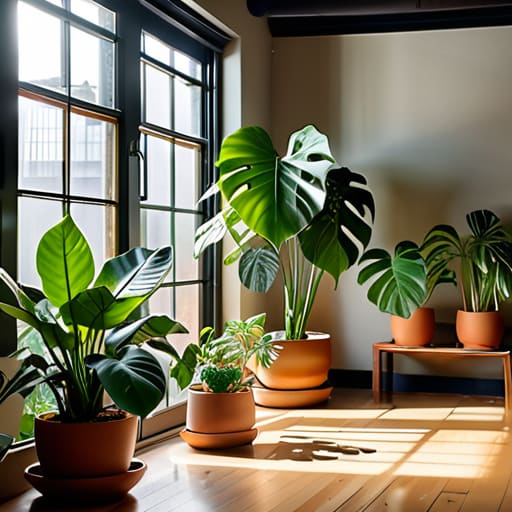
I remember sitting in my tiny apartment after my first year at Berkeley, staring at a withered, brown fern that I had practically smothered with “love.” I had read every glossy magazine telling me that I needed specialized UV lamps, expensive distilled water, and a dozen different chemical fertilizers to keep a single leaf green.
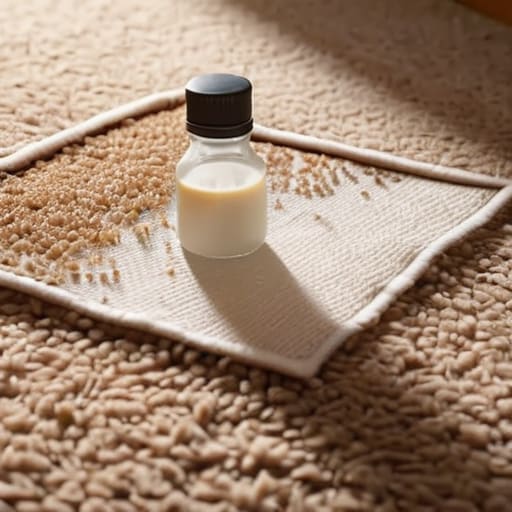
I was standing over my latest project—a delicate moss terrarium I’ve named after Rachel Carson—when a rogue splash of dark coffee sent my heart plummeting. My first instinct, shaped by years of seeing how harsh, synthetic chemicals can wreak havoc on fragile ecosystems, was to grab the strongest, most aggressive cleaner under the sink. But
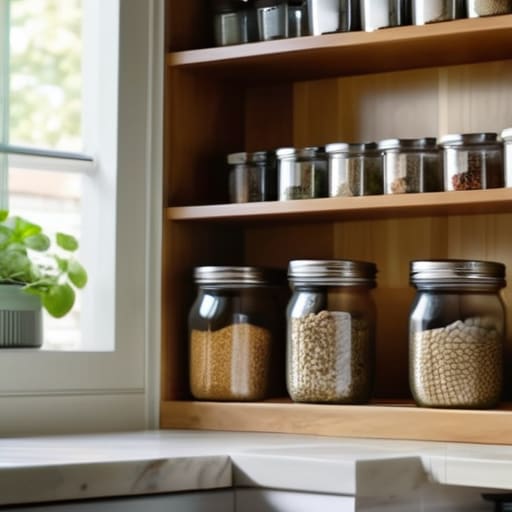
I was sitting in my studio this morning, tending to “Rachel”—my latest closed-system terrarium named after Carson—and I found myself thinking about how easily a tiny, delicate ecosystem can spiral into chaos if the resources aren’t managed with intention. It hit me that our homes, particularly our kitchens, function in much the same way. When
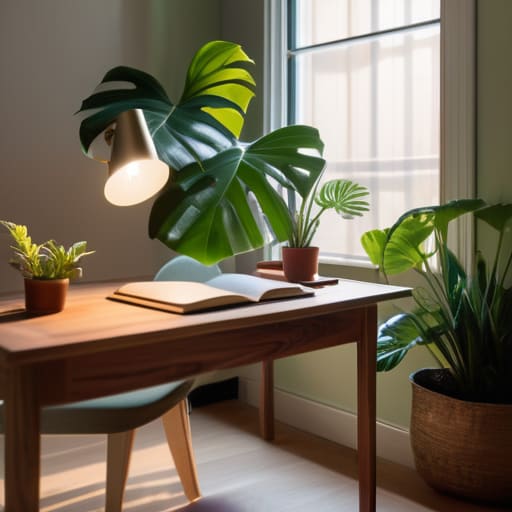
I was sitting in my studio last night, tending to “Rachel”—my latest moss-heavy terrarium that finally hit ecological equilibrium this morning—when I realized how much our workspaces resemble poorly planned urban sprawl. We’ve been sold this lie that a productive sanctuary requires a mountain of expensive, high-tech gadgets and sleek, sterile furniture that looks more
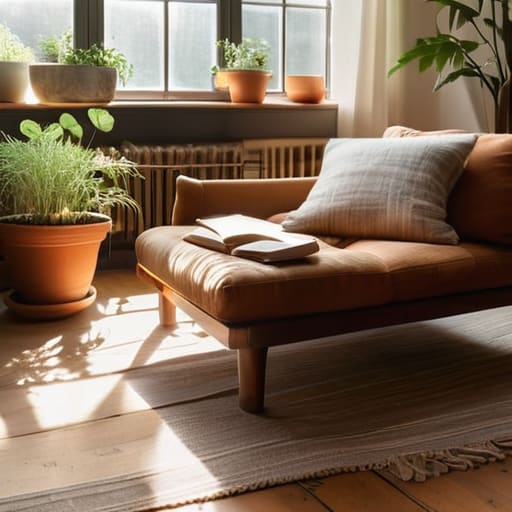
I was sitting in my studio last night, carefully misting “Rachel Carson”—my most delicate moss terrarium—when I realized that my apartment had stopped feeling like a mere collection of rooms and had started functioning like a living, breathing organism. There’s this pervasive, glossy myth in interior design magazines that suggests living solo means you either
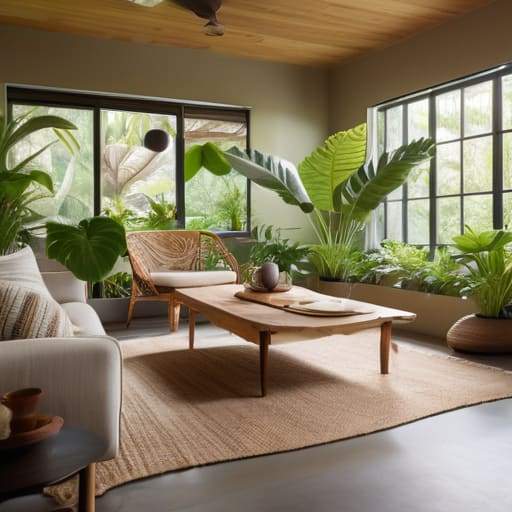
I remember sitting in my studio last Tuesday, tending to “Rachel”—my latest closed-system terrarium—and realizing that most people approach hosting with the wrong mindset. They think they need expensive, showroom-ready furniture or a sterile, minimalist aesthetic to impress. But honestly? That’s exactly what makes a space feel unwelcoming. When we focus solely on the “look”
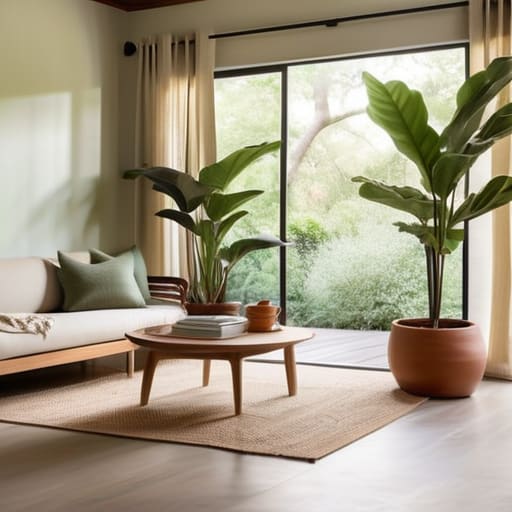
I was hunched over my workbench last night, carefully misting “Rachel” (my latest moss-heavy terrarium named after Carson), when I realized my own studio felt less like a sanctuary and more like a cluttered urban grid. It’s a frustrating irony, isn’t it? We spend hundreds on “minimalist” furniture and designer candles, yet we still walk
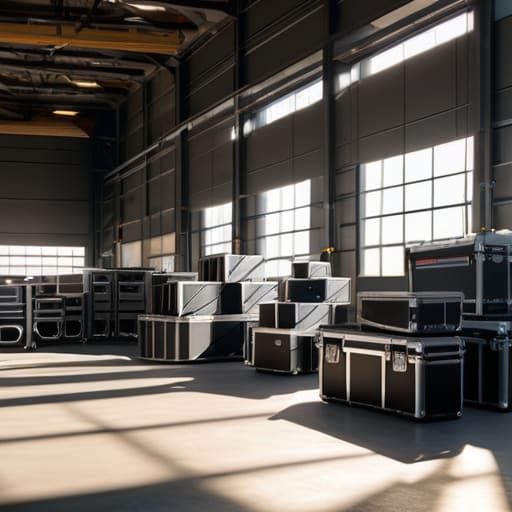
I remember standing in the middle of a chaotic site office during my first major urban redevelopment project, surrounded by the deafening clatter of misplaced tools and the frantic searching for specialized equipment. It felt less like a professional workspace and more like a fragmented ecosystem on the verge of collapse. I realized then that

I was sitting in my studio last night, meticulously adjusting the humidity levels in “Rachel Carson”—my latest moss-based terrarium—when I realized how much our internal biology mirrors these delicate, closed-loop ecosystems. We often treat our health like a massive, chaotic urban sprawl, throwing reactive solutions at problems only after they’ve already caused a crisis. I’m
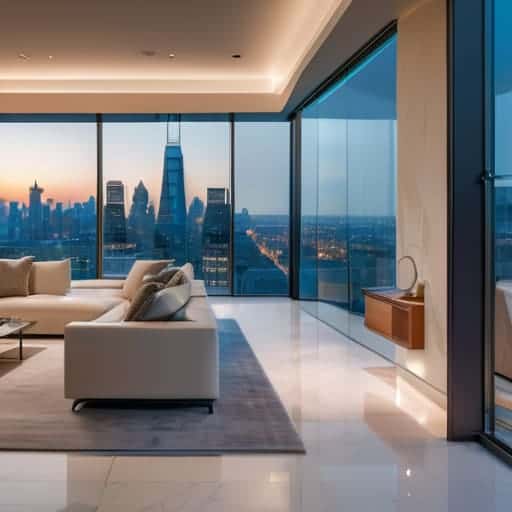
I was sitting in my studio yesterday, tending to “Rachel Carson”—my newest, most temperamental moss terrarium—when I realized how much our modern buildings still struggle with a basic biological need: the rhythm of light. We’ve been taught that we have to choose between being exposed to the harsh, heat-trapping glare of the sun or retreating