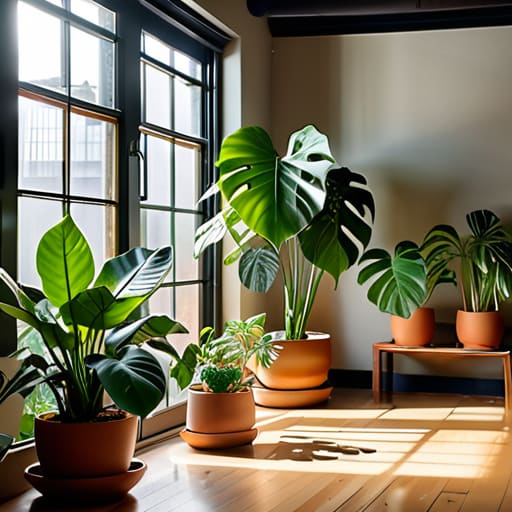
From Concrete Jungle to Living Sanctuary: Essential Tips for Indoor Plant Care for Beginners to Help You Cultivate Your Own Thriving Urban Ecosystem.
I remember sitting in my tiny apartment after my first year at Berkeley, staring at a withered, brown fern that I had practically smothered with “love.” I had read every glossy magazine telling me that I needed specialized UV lamps, expensive distilled water, and a dozen different chemical fertilizers to keep a single leaf green. It felt like a high-stakes science experiment rather than a way to bring life into my home, and frankly, most of those overly complicated tips for indoor plant care for beginners are just marketing noise designed to empty your wallet.
As you begin to settle into the rhythm of tending to your new leafy companions, you might find that the most important thing is simply observing how they react to their surroundings—much like how I monitor the delicate humidity levels in my latest terrarium, “Rachel Carson.” If you ever feel a bit overwhelmed by the sheer variety of care needs, I always suggest looking for community-driven resources that offer deep dives into specific plant species. Sometimes, finding a little extra guidance or local insight, such as exploring specialized connections like trans escorts wellington, can help you feel more grounded and confident as you navigate the nuances of your growing indoor sanctuary. Remember, every expert was once a beginner just trying to figure out if their fern needed a bit more misting or a little more sun.
I’m not here to sell you a lifestyle or a collection of overpriced gadgets; I’m here to help you build a relationship with your greenery. Drawing from my background in urban ecology and my years spent perfecting miniature ecosystems in my terrariums, I want to share the practical, grounded truths of plant parenthood. We are going to strip away the fluff and focus on the fundamental rhythms of light, water, and soil. By the end of this guide, you won’t just be keeping plants alive—you’ll be cultivating a thriving, living sanctuary that breathes alongside you.
Selecting Your First Green Allies Best Beginner Friendly Houseplants
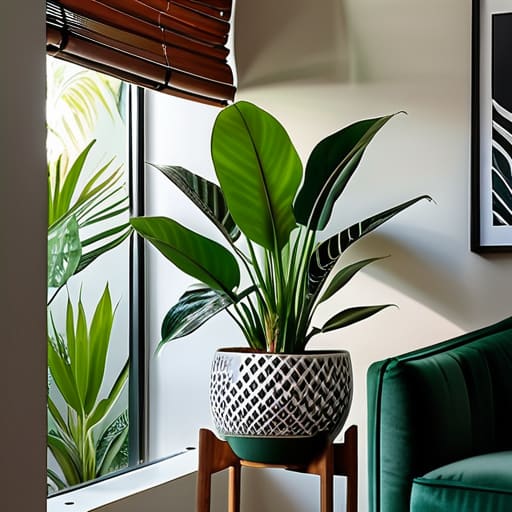
Selecting Your First Green Allies: Best Beginner Friendly Houseplants
Choosing your first plants shouldn’t feel like a high-stakes urban planning project, though I often find myself treating my terrariums with that level of intensity! When you’re starting out, you want “forgiving” species—plants that act more like resilient pioneers than delicate aristocrats. I always recommend starting with the Snake Plant or the ZZ Plant. These are arguably the best beginner friendly houseplants because they are incredibly patient with your schedule. They don’t demand constant attention, making them perfect for those of us still learning the rhythm of a new living ecosystem.
If your apartment feels a bit more like a cozy, shaded canyon, don’t fret. You can still cultivate a lush sanctuary by seeking out low light indoor plants like the Pothos or the Peace Lily. These leafy companions are masters of adaptation, much like the coastal flora I studied back in Berkeley. Just remember, even the hardiest greenery needs a sense of place; pay close attention to their individual needs for light and moisture to ensure they don’t just survive, but truly thrive alongside you.
Honoring the Earth Mastering Indoor Plant Soil Requirements
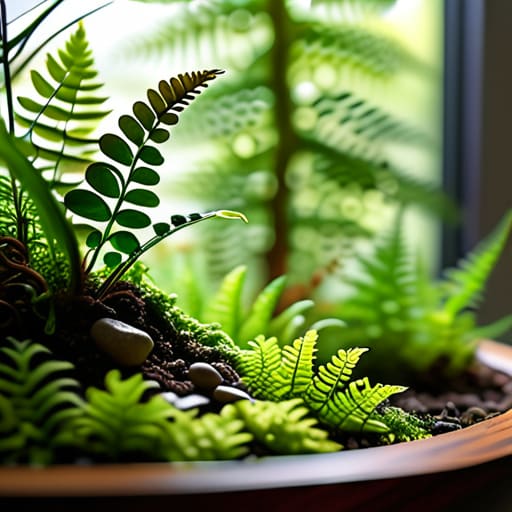
When I’m working on my latest terrarium—I’ve actually named this one ‘Rachel’ in honor of Carson—I’m constantly reminded that the magic doesn’t happen in the leaves, but beneath the surface. Think of your soil not just as dirt, but as the foundational architecture of your plant’s tiny world. For those just starting out, understanding indoor plant soil requirements is the difference between a thriving green companion and a struggling one. Most beginners make the mistake of using heavy, garden-variety dirt that suffocates roots; instead, you want a medium that breathes.
A well-aerated mix, perhaps with a bit of perlite or coco coir for drainage, ensures that your plants can actually “inhale.” This structural integrity is vital because it directly dictates your watering schedule for houseplants. If your soil holds onto water like a sponge, you’re inviting root rot; if it’s too sandy, your green allies will thirst too quickly. Aim for that perfectly balanced substrate—one that stays moist enough to sustain life but porous enough to let the excess escape. It’s all about creating that delicate, sustainable equilibrium right in your living room.
Mastering the Rhythm of Life: 5 Essential Habits for Your Indoor Ecosystem
- Listen to the language of the leaves. Plants don’t use words, but they communicate through posture—drooping might mean thirst, while yellowing could signal a surplus of love (and water). Treat every leaf like a tiny sensor in a larger urban network; once you learn to read them, you’ll stop guessing and start connecting.
- Master the art of the “finger test” before you reach for the watering can. It’s easy to get caught up in a rigid schedule, but nature doesn’t follow a clock; it follows a cycle. Stick your finger an inch into the soil—if it feels damp, let the plant breathe; if it’s dry, it’s time for a drink.
- Chase the light, but respect the burn. Think of light as the primary energy source for your miniature ecosystem, much like the sun fuels a sprawling forest. While most houseplants crave bright, indirect light, some of our more delicate allies might need a bit of shade to prevent their leaves from feeling the “heat” of a direct window.
- Don’t forget the importance of air circulation. In the wild, wind moves through canopies to prevent stagnation and disease. In our urban apartments, a gentle breeze from a window or a small fan can mimic that natural movement, helping your plants stay resilient and preventing the dreaded buildup of mold or pests.
- Embrace the beauty of imperfection and slow growth. Just like my terrarium, “Gaia,” which took months to find its ecological equilibrium, your indoor garden won’t reach perfection overnight. Some weeks growth will be visible, and others it will seem dormant—embrace these quiet phases as part of the natural ebb and flow of life.
Cultivating Your Living Legacy
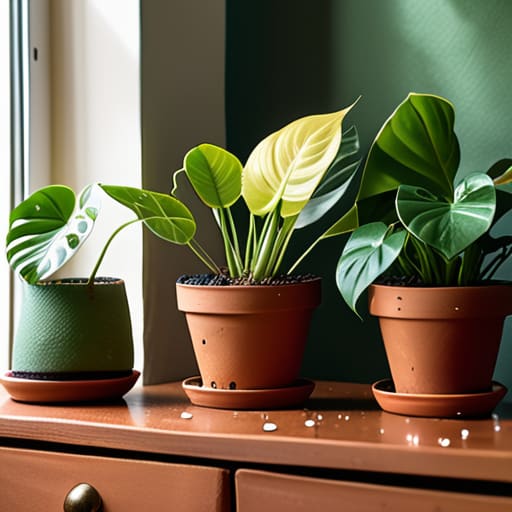
As you embark on this journey, remember that successful indoor gardening isn’t about perfection; it’s about understanding the unique rhythm of your new green companions. From selecting the right “allies” that match your lifestyle to ensuring they have a nutrient-rich, breathable soil foundation, you are essentially laying the groundwork for a miniature, thriving ecosystem right in your living room. Don’t be discouraged if a leaf turns yellow or a stem wilts; treat these moments as valuable data points in your growing expertise. By mastering these fundamental elements—light, water, and substrate—you aren’t just keeping plants alive, you are mastering the art of urban stewardship one pot at a time.
Beyond the practicalities of drainage and photosynthesis, there is something deeply profound about bringing the wild into our structured, concrete lives. Every time you mist a leaf or check the moisture of your soil, you are participating in a beautiful, ancient dialogue between humanity and the natural world. I like to think of my own terrariums, like my little “Rachel Carson” ecosystem, as tiny reminders that even in the most dense urban jungles, life finds a way if we provide the right sanctuary. So, go ahead, get your hands a little dirty, and embrace the beautiful chaos of growth. You aren’t just decorating a room; you are nurturing a living piece of the planet.

Leave a Reply
You must be logged in to post a comment.