
I still remember the smell of damp, salty air clinging to my skin as I stood in my childhood backyard, watching my parents struggle against a rising tide that threatened our very coastline. It was in those moments—watching the delicate dance between our human footprint and the natural world—that I realized we can’t just be
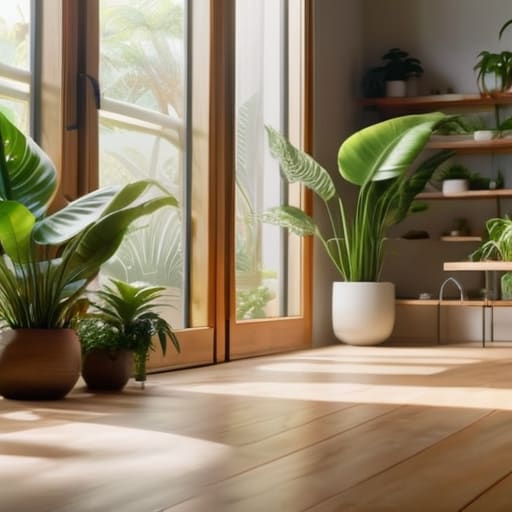
I remember sitting in my studio last Tuesday, meticulously adjusting the moss in “Rachel”—my latest closed-system terrarium—when I realized how much we treat our homes like sterile, airtight boxes rather than the living, breathing ecosystems they actually are. Most people think that finding ways to improve indoor air quality means dropping a fortune on a
I was hunched over “Rachel Carson,” my most delicate moss terrarium, trying to delicately place a single piece of driftwood while my phone buzzed incessantly with project notifications and my laptop pinged with urgent emails. In that moment, the humid scent of damp earth collided with the frantic, artificial rhythm of digital chaos, and I

I remember standing on my parents’ porch back in my coastal hometown, watching a massive storm surge swallow the streets, feeling that terrifying realization that our infrastructure was never designed to dance with nature. Now, as a landscape architect, I see people look at a snow-covered metropolis and think it’s just a matter of more

I remember the time I tried organizing a carpool with my neighbors—a rogue band of early risers and chronic alarm-snoozers. Picture it: me, the reluctant ringleader, clipboard in hand, trying to synchronize our chaotic lives. We had a spreadsheet, a group chat, and enough enthusiasm to fill a kiddie pool. But somehow, like clockwork, someone