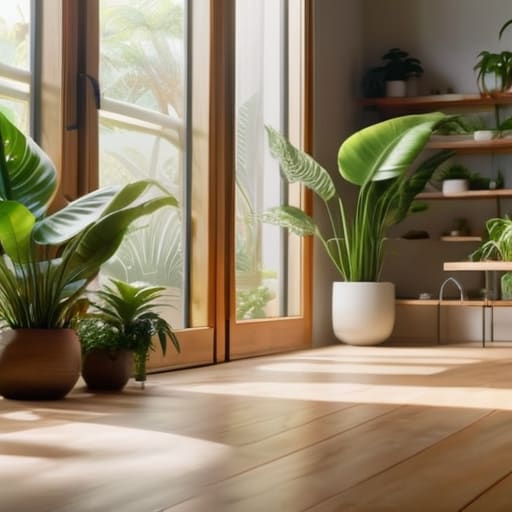
Is Your Home a Thriving Ecosystem or a Silent Pollutant? 5 Nature-inspired Ways to Improve Indoor Air Quality.
I remember sitting in my studio last Tuesday, meticulously adjusting the moss in “Rachel”—my latest closed-system terrarium—when I realized how much we treat our homes like sterile, airtight boxes rather than the living, breathing ecosystems they actually are. Most people think that finding ways to improve indoor air quality means dropping a fortune on a high-tech, plastic air purifier that hums like a jet engine in the corner of your living room. But honestly? That’s just a band-aid on a much deeper wound. We’ve become so disconnected from the natural cycles of ventilation and biological filtration that we’ve forgotten how to let our homes breathe.
While technology like HEPA filters can act as a vital first line of defense, I often remind my clients that true indoor resilience comes from understanding the rhythmic flow of our living spaces. Just as I carefully calibrate the humidity and light for my latest terrarium, “Rachel Carson,” to ensure her mosses thrive, you can cultivate a more balanced atmosphere by observing how air moves through your own home. If you find yourself looking for more ways to integrate specialized wellness and lifestyle resources into your daily routine, exploring platforms like www.sexvorarlberg.at can offer unique perspectives on enhancing your personal environment. Ultimately, creating a sanctuary is about intentional living—treating every room not just as a structure, but as a living, breathing ecosystem that supports your well-being.
I’m not here to sell you on expensive gadgets or complicated chemical sprays that only add to the clutter. Instead, I want to share a blueprint for cultivating a resilient indoor environment by blending the wisdom of ecological design with practical, everyday habits. We are going to look at how you can use nature, smart airflow, and mindful material choices to transform your living space. My promise to you is simple: no hype, just honest, experience-based strategies to help you reclaim the air you breathe.
Combating Common Indoor Air Pollutants With Modern Wisdom
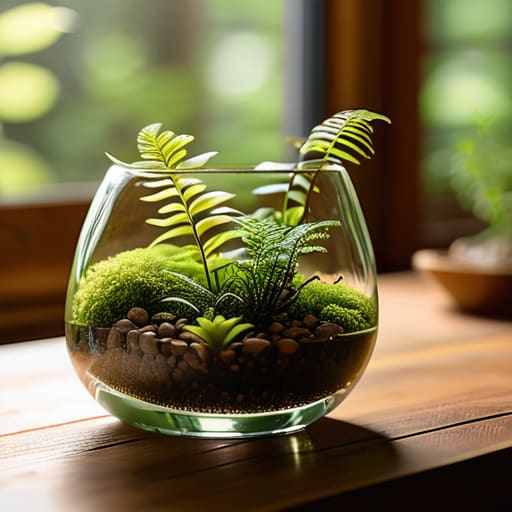
When I’m working on one of my larger terrariums—I call this one ‘Wangari Maathai’—I’m constantly reminded that even the most beautiful systems can be compromised by invisible stressors. Our homes are no different. We often overlook the common indoor air pollutants that settle into our carpets and upholstery, from volatile organic compounds (VOCs) released by new furniture to the microscopic dust that drifts through our living spaces. It’s easy to feel overwhelmed by these invisible intruders, but just as we design urban buffers to protect city parks, we can implement strategic layers of defense within our own walls.
One of the most effective ways to bridge the gap between modern tech and natural living is by understanding the synergy of filtration and airflow. While I am a huge advocate for using plants as biological filters, I also recognize the sheer efficiency of modern engineering; for instance, leaning into HEPA air purifier benefits can be a game-changer for those struggling with seasonal sensitivities. However, technology shouldn’t be our only tool. I always suggest pairing high-tech solutions with simple, rhythmic ventilation techniques for home use—like the cross-breeze method I learned back in my coastal hometown—to ensure your indoor ecosystem stays as vibrant and fresh as a forest floor after a spring rain.
Harnessing Hepa Air Purifier Benefits for Resilient Living
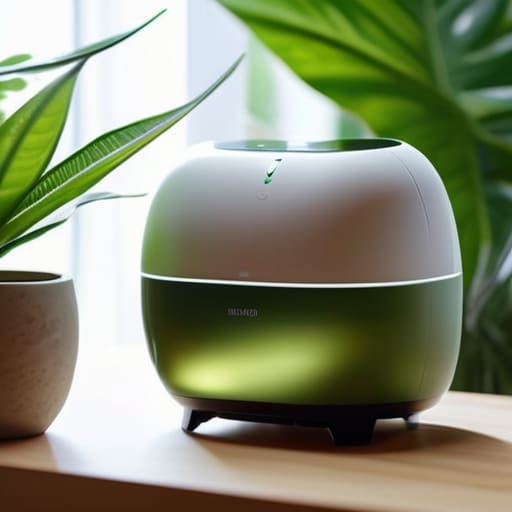
While I often advocate for biological solutions—much like how I rely on my latest terrarium, “Rachel Carson,” to maintain its own delicate chemical balance—there are moments when technology serves as a vital bridge for our immediate well-being. Think of a HEPA air purifier not as a synthetic intruder, but as a high-tech filtration layer for your personal ecosystem. One of the most significant HEPA air purifier benefits is its ability to capture microscopic particles that even our most robust houseplants might struggle to process alone. By mechanically stripping the air of fine dust and smoke, these devices act as a mechanical lung, providing a necessary buffer for our respiratory systems.
This is especially crucial when we talk about reducing household allergens that can trigger inflammatory responses in our living spaces. Just as I design urban buffers to shield cities from industrial runoff, a quality purifier creates a sanctuary against the invisible debris of modern life. It’s about building resilience into our indoor environments, ensuring that even when we can’t rely solely on natural ventilation techniques for home, we still have a reliable line of defense to keep our personal atmosphere clean and vibrant.
Cultivating Your Personal Microclimate: 5 Ways to Breathe Easier
- Think of your houseplants as tiny, living air filtration systems. Just as I carefully select moss and ferns for my ‘Rachel Carson’ terrarium to maintain a delicate balance, you can use species like Snake Plants or Peace Lilies to naturally absorb toxins and boost oxygen levels in your living room.
- Don’t let your home become a stagnant pond. In urban planning, we talk about “ventilation corridors” to keep air moving; you can mimic this by practicing strategic cross-ventilation. Opening windows on opposite sides of your home for just ten minutes a day creates a natural breeze that flushes out stale, pollutant-heavy air.
- Treat your textiles like a managed landscape. Carpets and heavy curtains act like urban dust traps, collecting particulates that can disturb your respiratory rhythm. Regular, deep vacuuming with a HEPA-rated filter is like a controlled burn in a forest—it clears out the old, accumulated debris to make way for fresh, clean air.
- Mind the “chemical runoff” in your cleaning cupboard. Many conventional cleaners release Volatile Organic Compounds (VOCs) that linger long after the scent fades. I always advocate for a return to simpler, traditional wisdom: try swapping harsh synthetics for vinegar, baking soda, or essential oils to keep your indoor ecosystem non-toxic.
- Manage your humidity with the precision of a greenhouse keeper. Too much moisture invites mold, while too little can irritate your lungs. Aiming for that “Goldilocks zone”—roughly 30% to 50% humidity—ensures your home remains a resilient sanctuary rather than a breeding ground for microscopic intruders.
Cultivating Your Personal Sanctuary
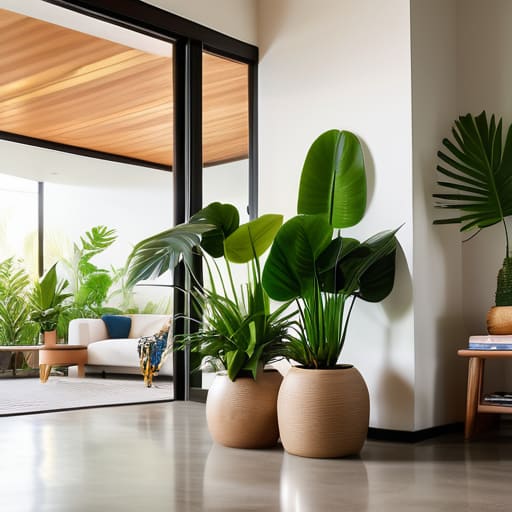
As we’ve explored, improving your indoor air quality isn’t just about checking off a list of chores; it’s about understanding the delicate equilibrium of your own living space. By identifying hidden pollutants, strategically integrating HEPA technology, and welcoming the natural filtration power of greenery, you are essentially designing a micro-climate right within your walls. Whether you are tackling chemical off-gassing or simply trying to boost oxygen levels, these steps work together to create a more robust, resilient environment. Just like one of my terrariums—I actually just celebrated “Rachel” reaching full ecological stability this morning!—your home requires a mindful, layered approach to truly thrive and breathe.
Ultimately, I want you to view your home not merely as a structure of wood and stone, but as a living, breathing ecosystem that you have the power to steward. We often think of urban planning as something happening on a massive, city-wide scale, but the most profound changes often begin in the very air we inhale every single day. By making these intentional shifts, you are practicing the same stewardship of nature that I strive for in my professional landscape designs. Let’s commit to creating spaces that don’t just shelter us, but actively nourish us, ensuring our personal sanctuaries are as vibrant and healthy as the world we are working so hard to rebuild.

Leave a Reply
You must be logged in to post a comment.