
Are We Addicted to Our Phones? The Science Says Yes
My phone buzzes on the table, drawing me into a world of endless scrolling. I lose track of time, caught in a cycle of notifications and alerts. This addiction is common, and I’m not alone.
Over 25% of people worldwide struggle with smartphone addiction. This problem grew during the Covid-19 pandemic. A Pew Research Center survey found that 95% of teenagers have smartphones, with nearly half always online.
Smartphone addiction has serious effects on our lives. It surged to about 35% during the pandemic, stressing our well-being. It’s not just a distraction; it’s a deep struggle, like substance addiction.
Social media fuels this addiction, with each like and comment releasing a rush in our brains. I often fight an urge that feels like a craving. It’s hard to shake off.
Key Takeaways
- Over 25% of people worldwide experience smartphone addiction symptoms.
- Smartphone addiction rates increased to approximately 35% during the pandemic.
- 95% of teenagers own smartphones, with many connected almost constantly.
- High social media use may contribute to mental health challenges among youth.
- Digital habits often reflect deeper self-control issues.
The Rise of Digital Addiction
Digital addiction has become a big concern in recent years. This is due to how much we use our phones, which has grown a lot during the pandemic. The World Health Organization recognized this problem in 2020, saying it affects many people.
Our use of technology and social media has changed how we talk and meet people. Often, it takes away from time spent with others face-to-face.
Understanding Mobile Usage Trends
About 27% of people show signs of being addicted to their smartphones. Around 17.5% of social media users are addicted, and 14% have a problem with internet use. These numbers show a big issue, as too much screen time can harm our health.
It can cause problems like not sleeping well, feeling anxious, or being depressed. Kids are also affected, with over half having a smartphone. They often spend 8 hours or more a day on digital devices.
The Impact of Covid-19 on Phone Engagement
Covid-19 has changed how we use technology. During lockdowns, we used our phones and social media more for fun and to stay connected. Now, people spend about 6 hours and 42 minutes online each day.
This shows how much our phone use has grown. Being stuck at home made us rely more on technology. This has led to problems like not sleeping well and having trouble making friends.
Digital Addiction: The Brain’s Response to Technology
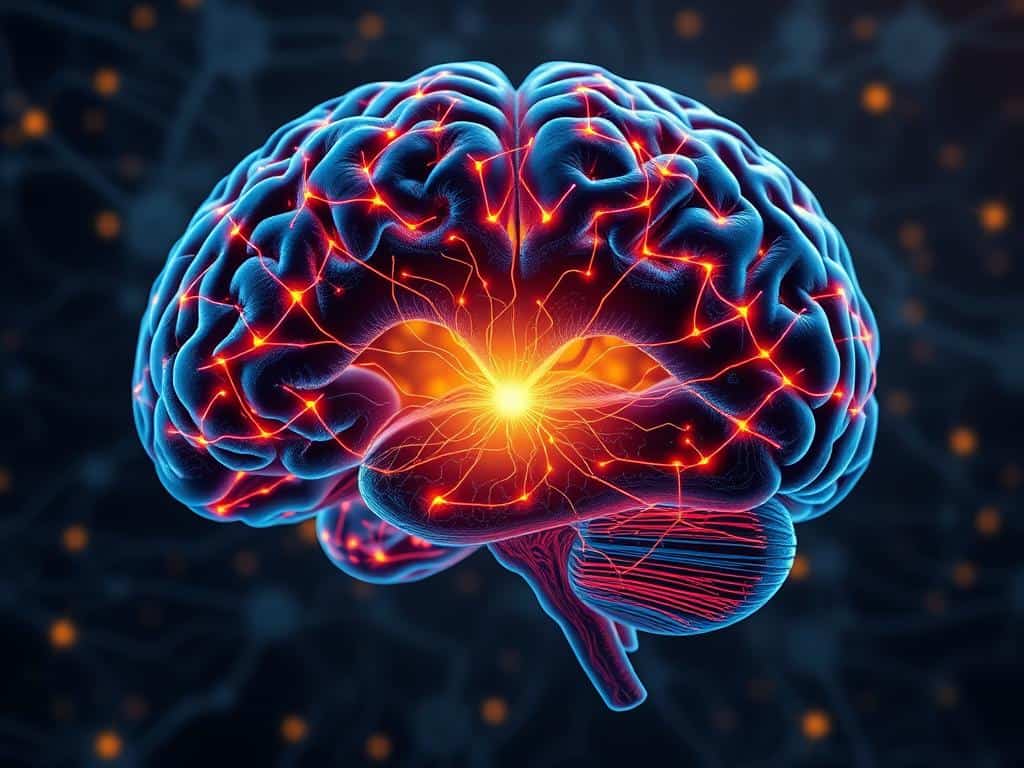
Technology has become a big part of our lives, leading to digital addiction. This addiction is linked to how our brains react to technology. Studies show that using digital content releases dopamine, similar to addictive substances.
This similarity highlights the impact of technology on our mental health.
Dopamine and the Reward System
Scrolling through social media or playing online games makes my brain release dopamine. This chemical makes me want more digital experiences. Social media addiction can make us obsessed with checking our accounts, affecting our relationships and daily tasks.
This behavior shows how technology can lead to unhealthy habits.
Comparative Analysis with Substance Addiction
The link between technology and addiction is clear. Internet gaming disorder shows how gaming can take over our lives, harming our health and responsibilities. Like substance addiction, it can lead to neglect in personal and work areas.
People with mental health issues are more at risk. This shows how dopamine and addiction are connected. Not using technology can cause withdrawal symptoms, showing the similarities between the two.
Conclusion
Digital addiction is a big concern in our lives today. Studies show that up to 38% of people struggle with Internet Addiction Disorder (IAD). This shows how many are affected by too much tech use.
Social media can lead to depression in teens. Heavy tech use can also lead to substance problems. Our tech habits affect us more than we think.
Setting limits on screen time and meeting people face-to-face helps. These steps lead to better tech habits. Cognitive-behavioral therapy (CBT) also helps, improving our relationships and motivation to use the internet less.
Knowing the signs of digital addiction is key. It’s the first step to a healthier tech relationship. By understanding and controlling our tech use, we can make it a tool for connection, not addiction.
Working on healthier tech habits is good for our mental health and society’s wellbeing. Let’s be mindful of our digital lives and aim for a more balanced existence.

Leave a Reply
You must be logged in to post a comment.