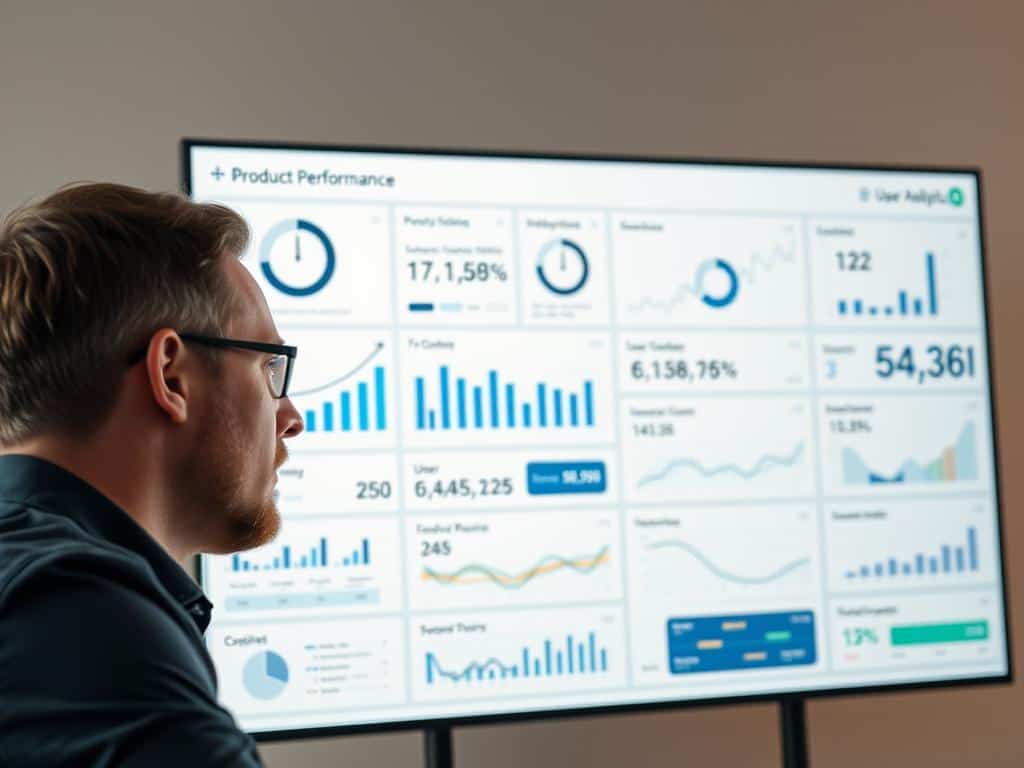
How Data-Driven Design Leads to Smarter Products
In today’s world, we face endless choices and short attention spans. What makes a product stand out? It’s not just luck. Behind great products lies Data-Driven Design. Designers use user insights and analytics to create products that go beyond what we expect.
I remember when data changed our design strategy. It showed us what users really wanted. This led to a product that was not only better but also more empathetic. It showed that making informed choices leads to innovation and happiness.
Data-Driven Design is fascinating. It turns data into a story that guides every decision. Microsoft’s early A/B tests are a great example. They used data to confirm design choices.
Platforms like MSN also show how data can change user experiences. They moved from underlined links to modern designs based on data. This shows how data can improve how we interact with products.
Key Takeaways
- Data-Driven Design uses insights and analytics to make products better.
- Companies that use data strategies often do better than others.
- A/B testing helps understand what users like and do.
- Good design changes come from real feedback and data.
- Knowing what users need can make products more satisfying and engaging.
- Data tells us about user needs, making design more empathetic.
The Power of Data-Driven Design
In today’s world, data-driven design has changed how products are made. It focuses on real user insights, not just guesses. This way, companies can do better and keep users happy.
Understanding Data-Driven Design
Data-driven design uses real-time data and user feedback to guide design. It’s different from old ways that relied on guesses. By using facts, companies can see how well their designs work and make better choices.
Benefits of Leveraging User Insights
The benefits of DDD are many, starting with happier customers. Companies that listen to users make better choices and designs. For example, Airbnb uses data to set prices based on demand.
AI tools in data-driven design also make things more efficient. This lets businesses change their designs quickly.
Using feedback to improve designs can make things better for users. For example, looking at how users check out can lower cart abandonment. As companies get better at using data, they see that things like good images can really engage users. So, using user insights is key for success.
Challenges in Implementing Data-Driven Design
Using data-driven design (DDD) can really help organizations improve user experiences. But, there are many challenges that make it hard to adopt. One big problem is the lack of data maturity, which stops businesses from making smart design choices.
Understanding this issue is key to moving forward. It helps overcome the obstacles that slow down progress.
Lack of Data Maturity and Its Impact
Data maturity levels vary a lot among organizations. This affects their ability to use analytics well. Companies with lower data maturity struggle to get good data and respond quickly.
They often use old processes that cause a lot of design mistakes. Studies show these mistakes can increase by up to 20%. This hurts user satisfaction and product performance.
On the other hand, using data-driven methods can boost user engagement by 30%. This shows the importance of having the right data setup.
Expertise in Data Analysis: Bridging the Gap
Data analysis skills are vital for solving DDD implementation problems. Many designers don’t know how to deal with complex data, leading to biased interpretations. About 75% of UX pros face these biases during user research.
Also, gathering qualitative data takes a lot of time, slowing down design work. 60% of designers say this is a big problem. Working together with design teams and data experts is key to solving these issues. It makes the design process more efficient and effective.

Conclusion
Data-driven design is changing how we create products. It makes designs that really connect with users. Now, using data in design is key, not just helpful.
Companies that use data well make better products. They also stand out because they know what users want. This makes their products more appealing.
The future of design is about mixing creativity with data. Using both kinds of data helps solve problems and sparks new ideas. It’s not easy, but the benefits are big.
Keeping data at the center of design is vital. It makes products better and more enjoyable. Big names like Google and Netflix show how it works.
By using data smartly, we can improve how people use products. This approach prepares us for the future. It makes a big difference in how we interact with products.

Leave a Reply
You must be logged in to post a comment.