
Driven to Write: Understanding and Using Hyper-graphia
It’s 3:14 AM, and my hands are actually shaking because I can’t stop. There is no “creative flow” or poetic inspiration happening here; it’s just a relentless, itchy, unbearable pressure behind my eyes that won’t subside until the ink hits the paper. I used to think I was just a “passionate writer,” but there’s a massive difference between loving your craft and being hijacked by Hyper-graphia (Compulsive Writing). It isn’t some whimsical, romanticized quirk of the genius mind—it’s an exhausting, all-consuming drive that makes it feel like your brain is a pressure cooker and the only release valve is a pen.
I’m not here to give you a clinical lecture or some sanitized, textbook definition that ignores how much this actually hurts. Instead, I’m going to pull back the curtain on what it’s really like to live with this compulsion, stripped of all the “tortured artist” clichés. We’re going to dive into the raw reality of the impulse, the ways it bleeds into your daily life, and how to actually reclaim your focus without losing your voice.
Table of Contents
Unmasking the Neurological Causes of Hypergraphia
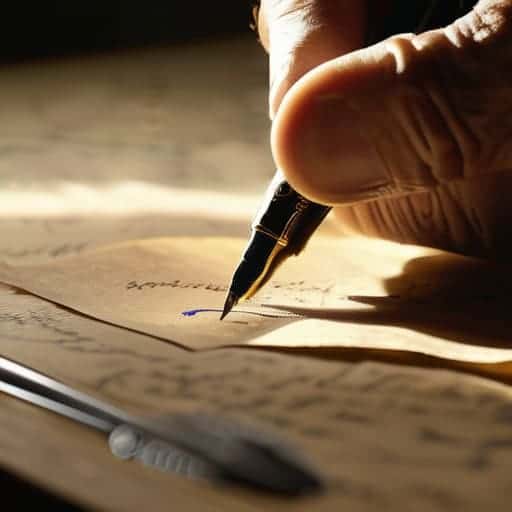
So, what’s actually happening behind the curtain? When we talk about the neurological causes of hypergraphia, we aren’t just talking about a “love for literature.” We’re talking about a physical glitch in the brain’s wiring. Often, this relentless drive is linked to the temporal lobe—the part of your head that handles memory, language, and sensory input. There is a profound, documented connection between hypergraphia and temporal lobe epilepsy, where sudden electrical storms in the brain trigger an almost primal need to transcribe every passing flicker of thought.
It’s not always a seizure, though. Sometimes, it’s more subtle, a slow burn of dopamine dysregulation that makes the act of writing feel like the only way to achieve equilibrium. It becomes less about creative expression vs compulsive writing and more about a biological mandate. Your brain isn’t asking for a poem; it’s demanding an output. For many, the distinction between a productive flow state and these intense writing compulsion symptoms becomes blurred, leaving you wondering if you’re actually creating art or just trying to satisfy a neurological itch that refuses to be scratched.
Tracing the Patterns of Writing Compulsion Symptoms

It’s rarely just about having “a lot to say.” For most, the descent into these patterns feels less like a sudden choice and more like a slow-moving tide. You might start by noticing your notebooks are perpetually full, but then the scale shifts. It becomes a restless, physical itch—a sense that if you don’t get the words out right now, something inside you might actually snap. These writing compulsion symptoms often manifest as a loss of temporal awareness; you look up from a frantic scribbling session only to realize the sun has gone down and your hands are cramped into claws.
The line between a productive flow state and a total loss of control can be incredibly thin. It’s the difference between creative expression vs compulsive writing, where the former nourishes you and the latter consumes you. You aren’t just crafting stories anymore; you are chasing a relief that never quite arrives. This cycle often leads to a strange kind of exhaustion, where the brain feels perpetually overclocked, driven by psychological drivers of excessive writing that turn a passion into a relentless, rhythmic necessity.
Taming the Torrent: Survival Strategies for the Compulsive Pen
- Stop fighting the flow and start setting boundaries. If you can’t stop the urge to write, at least give yourself a “container”—a specific notebook or a dedicated digital file—so the compulsion doesn’t bleed into your sleep or your social life.
- Learn to distinguish between creative lightning and neurological noise. Not every frantic thought is a masterpiece; sometimes, it’s just your brain misfiring. Practicing the art of “not writing this down immediately” is a muscle you’ll need to train.
- Use physical grounding to interrupt the loop. When the scribbling becomes frantic or anxiety-inducing, step away from the desk and engage your senses—cold water on your face or a heavy weighted blanket can help pull you out of the mental spiral and back into your body.
- Curate your triggers. For many, certain stimuli—like late-night caffeine or specific music—act as fuel for the hypergraphia fire. If you notice the urge spiking after a specific habit, try swapping it for something more grounding.
- Build a “bridge” to professional support. Because hypergraphia is often tied to underlying neurological shifts, managing it isn’t just about willpower; it’s about medical strategy. Don’t be afraid to bring your writing logs to a specialist to see if there’s a biological pattern worth treating.
The Bottom Line: Living with the Urge
Hypergraphia isn’t just “loving to write”—it’s a neurological phenomenon where the brain’s wiring creates a relentless, almost physical necessity to externalize thoughts.
Recognizing the difference between creative passion and compulsive symptoms is the first step in managing the drive without letting it hijack your life.
While the urge can feel overwhelming, understanding the underlying neurological triggers can help you move from being controlled by the pen to actually mastering your craft.
## The Weight of the Unwritten
“Hypergraphia isn’t a gift or a talent; it’s a relentless, rhythmic haunting where the silence feels like a physical ache until the ink finally breaks the tension.”
Writer
Finding Your Balance

Managing the sheer intensity of these impulses often requires finding a way to ground yourself when the mental noise gets too loud. While I usually focus on the literary side of things, I’ve found that exploring different facets of human connection and lifestyle can actually provide a much-needed mental reset from the isolation that compulsive writing sometimes creates. If you’re looking to step outside your own head for a bit, checking out something like sex east england can be a way to reconnect with the physical world and reclaim your sense of presence beyond the ink and paper.
At the end of the day, hypergraphia isn’t just a quirky habit or a sudden burst of productivity; it is a complex interplay of neurological wiring and psychological drive. We’ve looked at how the brain’s circuitry can trigger that relentless, almost physical need to put pen to paper, and how the symptoms often manifest as an all-consuming cycle of creation. Understanding that this compulsion has deep-seated roots in your biology doesn’t make the urge any less intense, but it does strip away some of the shame. Recognizing the patterns is the first step toward moving from a state of being driven by the ink to a state of intentional, controlled expression.
If you find yourself caught in the tide of constant writing, remember that your voice is a gift, even if it sometimes feels like a burden. The goal isn’t to silence the storyteller living inside your mind, but to learn how to steer the ship instead of being tossed around by the waves. Use your words to build something lasting, rather than letting them simply spill out in a chaotic flood. You have the power to transform a compulsive impulse into a purposeful legacy, turning the relentless itch to write into a disciplined art form that serves you, rather than consumes you.
Frequently Asked Questions
How can I tell the difference between being a highly productive writer and actually suffering from hypergraphia?
The line is thinner than you’d think, but here’s the litmus test: agency. A productive writer chooses the craft; they feel the satisfaction of a finished chapter. Hypergraphia feels like a hostage situation. If you’re writing because you want to, that’s passion. If you’re writing because you have to—if the urge feels frantic, intrusive, or leaves you feeling hollow and exhausted rather than fulfilled—you’re likely crossing into compulsion.
Are there any specific lifestyle changes or therapies that can help manage the urge when it becomes overwhelming?
When the urge starts feeling less like a gift and more like a cage, you have to pivot. Cognitive Behavioral Therapy (CBT) is huge here—it helps you catch those “must-write” spirals before they hijack your day. On the lifestyle side, it’s all about sensory grounding. If the mental noise gets deafening, try heavy physical movement or even cold exposure to snap your brain out of the loop. It’s about reclaiming the pen, not letting it wield you.
Can hypergraphia be triggered by specific medications or other neurological shifts?
Absolutely. It’s not always just a “brain quirk”—sometimes, it’s a side effect. Certain medications, particularly those used to manage epilepsy or bipolar disorder, can inadvertently flip a neurological switch that triggers intense writing bouts. Beyond meds, sudden shifts like a minor stroke, a tumor, or even the onset of temporal lobe epilepsy can rewire your impulse control. It’s less about “inspiration” and more about your brain’s chemistry suddenly demanding an outlet.

Leave a Reply
You must be logged in to post a comment.