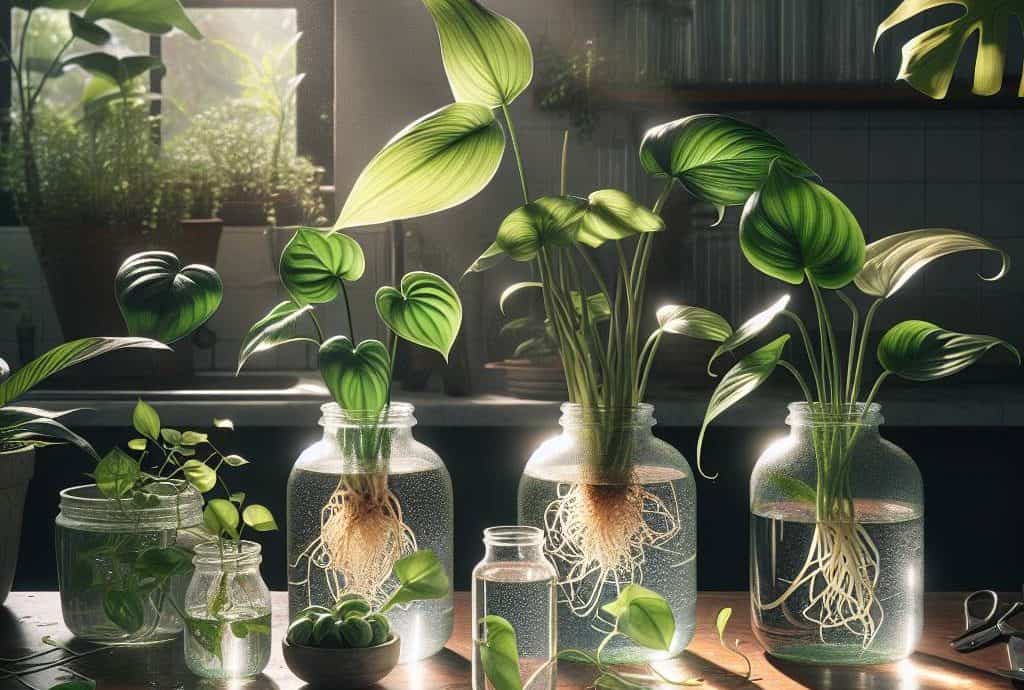
Unlocking Nature’s Secrets: Mastering Plant Propagation in Water
I once tried propagating plants in water because, in my naivety, I thought it would be a serene, zen-like experience. Spoiler alert: it was less “tranquil garden goddess” and more “frustrated gardener with a soggy countertop.” Picture me, staring at a jar of limp pothos cuttings, willing them to root through sheer force of will. I even tried pep talks—because who wouldn’t respond to being called “the Little Engine that Could”? But as days turned into weeks, I realized the cuttings were about as motivated as a cat in a rainstorm.
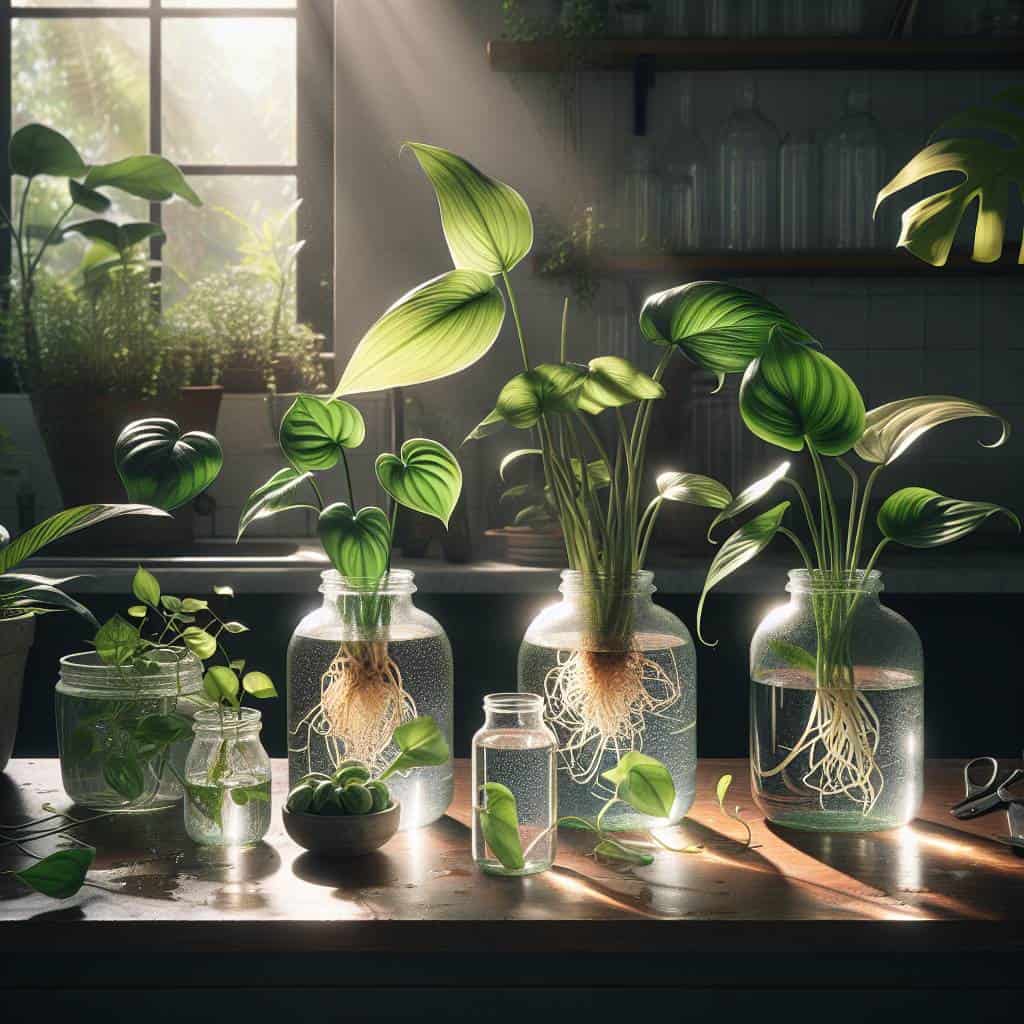
So, why am I dredging up this horticultural misadventure? Because, dear reader, you deserve to know the truth about propagating plants in water—warts and all. Stick with me, and we’ll dive into the nitty-gritty of choosing viable cuttings, coaxing roots from reluctant stems, and turning your kitchen into a verdant nursery worthy of envy. Whether you’re wrestling with a temperamental philodendron or a stubborn snake plant, I promise we’ll navigate this murky water together.
Table of Contents
- The Great Pothos and Philodendron Experiment: Will They Root or Riot?
- Why Choosing the Right Cutting Feels Like Speed Dating
- Rooting for the Underdog: The Process of Transformation
- Why Propagating Plants in Water is Like Hosting a Pool Party for Your Green Friends
- The Waterlogged Chronicles: Cutting Your Way to Green Glory
- Whispers from the Water Glass
- Rooting for Success: Your Plant Propagation Queries, Unplugged
- Rooting for the Underdogs
The Great Pothos and Philodendron Experiment: Will They Root or Riot?
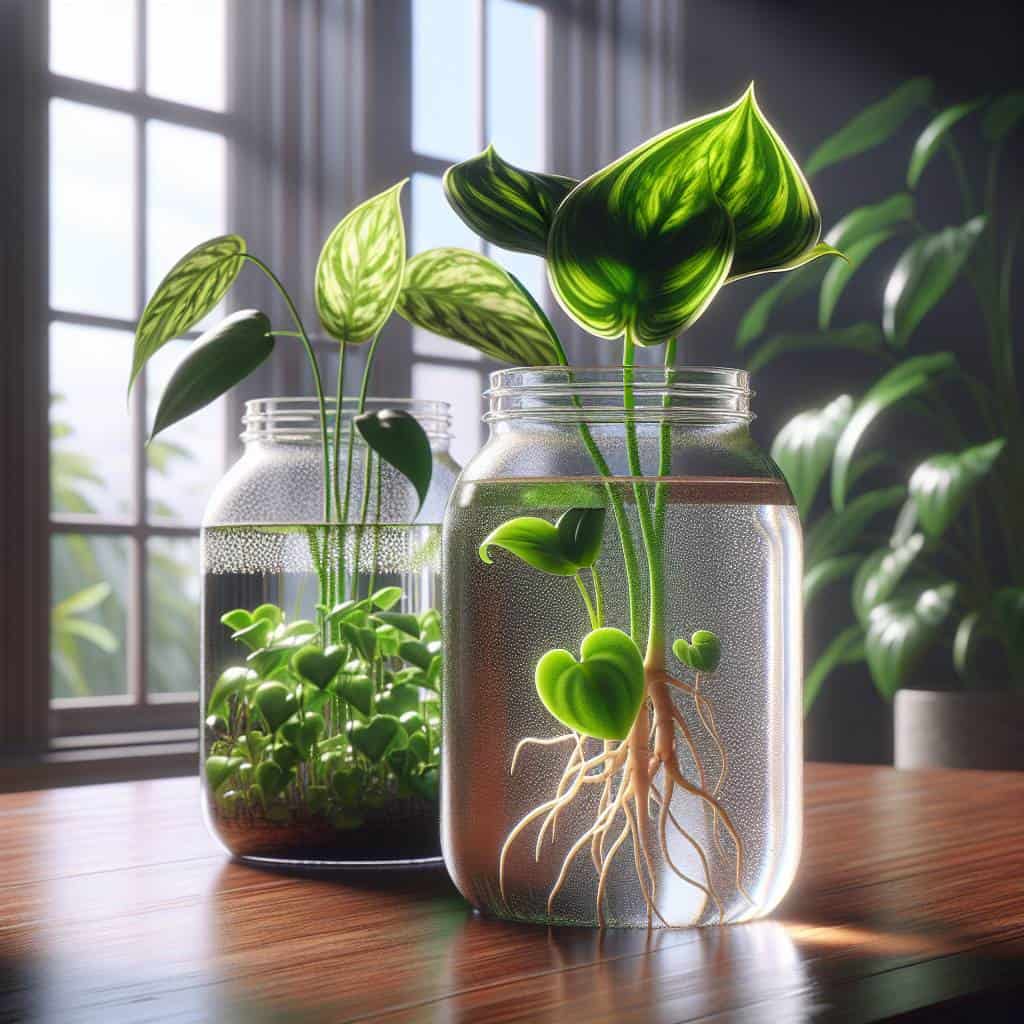
Picture this: a horticultural showdown, where the stars of the plant world—the pothos and philodendron—are pitted against each other in a battle of roots versus rebellion. The Great Pothos and Philodendron Experiment is not just about seeing which plant can sprout roots in a jar of water, but a test of patience, resilience, and a little bit of leafy attitude. You see, these two green gladiators have more in common than you’d think. Both are adored for their easy-going nature and ability to brighten any sad corner of your home. However, when it comes to propagation, they’re like siblings squabbling over the last piece of pie—similar yet stubbornly different.
In the right corner, we have the pothos, a plant with a reputation for being as tough as nails in a world full of delicate blooms. It’s the kind of plant that thrives on neglect, and yet, when you decide to propagate it, it’s like asking a teenager to clean their room. You snip a cutting with a few healthy leaves, dunk it into a jar of water, and wait. And wait. Sometimes it roots with the enthusiasm of a puppy seeing its leash, and other times it’s more like a cat ignoring your calls—maddeningly indifferent. Meanwhile, in the left corner, the philodendron is more of a people pleaser. It’s eager to impress with its vibrant leaves and charming demeanor. Propagate it, and it often rewards you with roots that sprout faster than gossip in a small town.
But, here’s the kicker—choosing the right cutting is crucial. It’s not a one-size-fits-all affair. The pothos might act like it’s too cool for school, but give it a node with a leaf or two, and it eventually decides to play nice. The philodendron, on the other hand, just needs a little TLC and a good stem section to shine. The process is as unpredictable as a soap opera plot twist, but when those roots finally appear, it’s a triumphant moment worth the wait. So, will they root or riot? In the end, it’s a little bit of both—and that’s the beauty of it.
Why Choosing the Right Cutting Feels Like Speed Dating
Picture this: You’re staring at a jungle of green options, each leaf fluttering like a hopeful swipe-right candidate. It’s not just about finding a good-looking match; it’s about chemistry, potential, and a little bit of luck. You hold up one cutting, tilt your head, and wonder if it’s “the one.” Does it have that sturdy stem and those vibrant leaves whispering promises of a bright future? Or is it just another pretty face with no roots to speak of? In this leafy speed dating game, you’ve got seconds to decide before moving on to the next contender.
And let’s not forget the non-negotiables. You want that cutting to be disease-free, just like you’d hope your date is free of baggage—or at least manageable quirks. A little spot here, a yellowed tip there, and you’re debating whether that’s a dealbreaker or just a charming imperfection. The stakes are surprisingly high in this green romance, because one wrong move and you’re stuck with a wilting disappointment instead of a thriving success story. So, you scrutinize, you deliberate, and with a hopeful heart, you make your choice, knowing that in the plant world, as in love, sometimes you just have to trust your gut and dive in.
Rooting for the Underdog: The Process of Transformation
Imagine, if you will, the plight of the underdog—a scrappy little plant cutting, snipped from its mother and thrust into the harsh reality of solo existence, much like a teenager kicked out of the house with nothing but a backpack and a dream. In this grand experiment with pothos and philodendron, I find myself rooting (pun shamelessly intended) for these green rebels. They’re not just racing to grow roots; they’re challenging the very notion of what it means to thrive without a safety net.
Transformation, my dear friends, is not for the faint-hearted. It’s a process that requires grit, patience, and a touch of reckless optimism. As I watch these cuttings, I can’t help but think they’re pulling a Houdini, escaping the confines of their former lives. They begin by tentatively sending out root nubs, testing the waters, quite literally. Each new root is a tiny victory, a sign that the underdog is not just surviving but plotting a botanical coup. And let me tell you, there’s nothing quite like witnessing these unlikely heroes turn adversity into triumph, one root at a time.
Why Propagating Plants in Water is Like Hosting a Pool Party for Your Green Friends
- When picking your plant guest of honor, go for a pothos or philodendron stem that’s more promising than a snake oil salesman.
- Snip with confidence—cut right below a node like you’re slicing the first piece of cake, ensuring those roots have a place to pop.
- Pop that cutting into a jar of water like it’s taking a dip in a crystal-clear country creek, and make sure to change the water more often than you change your mind on Friday night plans.
- Be patient, my friend—roots don’t appear overnight unless you’re a plant magician with a wand made from garden hose.
- Once those roots are as long as a tall tale, it’s time to graduate your cutting from water to soil, like moving from kiddie pool to Olympic-sized dreams.
The Waterlogged Chronicles: Cutting Your Way to Green Glory
Pothos and philodendrons are the rockstars of water propagation. But don’t just grab any old stem. Find one with a node—the plant world’s version of an Instagram influencer. No node, no roots, and a whole lot of disappointment.
Snake plants are the strong, silent types. They don’t show off with flashy roots like pothos, but give them time in water and they’ll quietly keep your propagation hopes alive. Just don’t expect instant gratification; they’re more into the slow burn.
Rooting cuttings in water is a bit like a blind date. Sometimes it clicks, sometimes it doesn’t. Keep an eye on those cuttings, change the water regularly, and if they start looking slimy, it’s time to swipe left and try again.
Whispers from the Water Glass
Propagating plants in water is like watching a pothos audition for the lead role in a silent film—slow, steady, and full of quiet triumphs.
Rooting for Success: Your Plant Propagation Queries, Unplugged
How do I choose the right cutting for my pothos or philodendron?
Think of yourself as a talent scout. You want a cutting that’s got at least a couple of leaves and a node—like spotting a kid with a guitar and a dream. Avoid anything that looks like it’s been through a plant version of a rock band’s wild world tour.
What’s the deal with rooting in water?
Rooting in water is like sending your plant on a spa retreat. It’s all about that relaxation and rejuvenation. Submerge those nodes and watch roots sprout like they’ve just discovered their inner zen.
Can I propagate a snake plant in water?
Sure, but with snake plants, you’re more likely to end up with a scene from a slow-paced thriller. Patience is your friend here. Those roots are in no rush, so settle in with a nice cup of tea while they take their sweet time.
Rooting for the Underdogs
As I leaned over my glass jar, watching the tendrils of roots snake out into the water, I couldn’t help but feel a kinship with these stubborn little plants. Pothos and philodendrons, with their audacious will to thrive against the odds, have taught me a thing or two about resilience. There’s a certain poetry in the rooting process—a quiet rebellion against a world that often feels content with the status quo. In choosing which cutting gets the chance to defy gravity and sprout anew, I find a metaphor for life’s unpredictable choices. Like picking the least tone-deaf member of a boy band, it’s a gamble. But when it works, oh, how sweet the victory.
This journey into the green abyss has been anything but predictable. It turns out, propagating plants is less about following a script and more about embracing the chaos of nature’s whims. And maybe that’s the point. We start with a cutting, a mere wisp of potential, and through sheer stubbornness—or perhaps naivety—we coax it into something beautiful. If nothing else, this experiment has reminded me that growth, much like writing, isn’t about perfection. It’s about persistence, the occasional stroke of luck, and a healthy dose of patience. So, here’s to the pothos, the philodendron, and all the other underdogs, rooting fiercely for a place in the sun.

Leave a Reply
You must be logged in to post a comment.