Prosumer Setup
I still remember the day I set up my first home office. I was so excited to start working from the comfort of my own space, but little did I know that my makeshift desk and chair would soon become a recipe for disaster. As I delved into the world of Home Office Ergonomics, I realized that it’s not just about comfort, but about creating a space that promotes productivity and well-being. The truth is, most of us have been misled into thinking that a fancy chair and a sleek desk are all we need to create an ergonomic oasis. But, Home Office Ergonomics is so much more than that.
As you read this article, you can expect to get practical advice on how to transform your home office into a space that nurtures your body and mind. You’ll learn how to identify and avoid common ergonomic mistakes, and how to create a tailored setup that suits your unique needs. From ergonomic chair selection to smart lighting solutions, we’ll dive into the nitty-gritty of creating a home office that promotes productivity, comfort, and overall well-being. By the end of this guide, you’ll be equipped with the knowledge to turn your home office into a haven that supports your health, happiness, and success.
Table of Contents
Project Overview
Total Time: 1 hour 30 minutes
Estimated Cost: $20 – $100
Difficulty Level: Easy
Tools Required
- Tape Measure ((for measuring workspace))
- Level ((for adjusting furniture))
- Wrench ((for adjusting chair height))
- Ruler ((for measuring monitor distance, 20 inches from eyes))
Supplies & Materials
- Ergonomic Chair ((optional, but recommended))
- Adjustable Desk ((or a desk with a 29 inches high surface))
- Monitor Risers ((for optimal viewing height, 2-3 inches high))
- Keyboard Tray ((for comfortable typing position, 1-2 inches below desk surface))
- Document Holder ((for reducing neck strain, placed within 10 inches of body))
Step-by-Step Instructions
- 1. First, let’s start with the basics – setting up your chair is crucial for a comfortable and ergonomic home office experience. You want to adjust the height of your chair so that your feet are flat on the floor or on a footrest, and your knees are at or below hip level. This will help you maintain a straight posture and avoid straining your back.
- 2. Next, it’s time to optimize your desk height. You want to make sure your desk is at a comfortable height for your body, allowing you to work with your elbows at a 90-degree angle and your wrists straight. If your desk is too high, you can consider using a desk riser or a stack of books to elevate your monitor and keyboard to a comfortable height.
- 3. Now, let’s talk about monitor placement. Your monitor should be directly in front of you, at a distance of about 20-25 inches, and at a height that allows you to gaze slightly downward. You can use a monitor arm or a stack of books to achieve the perfect height and angle. Avoid placing your monitor too far away or at an awkward angle, as this can lead to eye strain and discomfort.
- 4. The next step is to set up your keyboard and mouse. Your keyboard should be placed directly in front of your body, with your wrists straight and your elbows at a 90-degree angle. Your mouse should be placed close to your body and at the same height as your keyboard. Consider using a keyboard tray or a mouse pad with a built-in wrist rest to reduce repetitive strain.
- 5. It’s also important to consider your lighting. You want to avoid harsh overhead lighting, which can cause eye strain and discomfort. Instead, use table lamps or floor lamps to create a warm and inviting atmosphere. Place your lamps in a way that minimizes glare and reflections on your monitor.
- 6. Now, let’s not forget about ergonomic accessories. Consider investing in a comfortable and supportive headset, a document holder, or a footrest. These accessories can help you stay comfortable and focused during long work hours. Look for products with adjustable features that can be tailored to your body and preferences.
- 7. Finally, it’s essential to take breaks and move around. Working long hours in a home office can lead to stagnation and discomfort. Set a timer to remind yourself to stand up, stretch, and move around every hour. Use this opportunity to refresh your mind and recharge your energy. Take a short walk, do some stretching exercises, or practice some deep breathing techniques to stay focused and productive.
Mastering Home Office Ergonomics
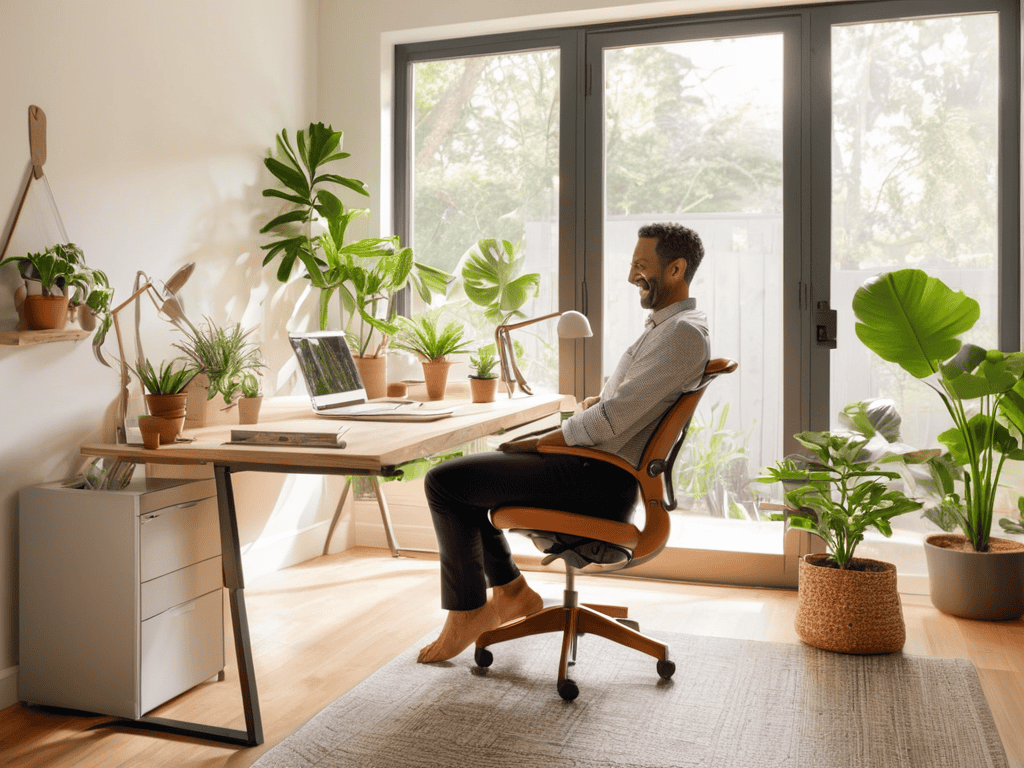
As you’re setting up your ergonomic home office, it’s essential to consider the overall well-being of your body and mind. A well-designed workspace can do wonders for your productivity and happiness, but it’s also important to think about how you’ll be spending your downtime. For those looking to meet new people and expand their social circle, there are many online resources available that can help. For example, if you’re in the Melbourne area, you might stumble upon a website like casual sex melbourne that offers a platform for adults to connect with each other. While it may not be directly related to home office ergonomics, taking breaks and maintaining a healthy social life can have a significant impact on your overall mental health and focus.
To truly elevate your workspace, consider investing in a standing desk conversion kit. This simple upgrade can make a significant difference in your overall comfort and productivity. By allowing you to switch between sitting and standing throughout the day, you can reduce the risk of developing back and neck pain. Additionally, natural light for productivity is essential, so position your desk near a window to boost your mood and energy levels.
When it comes to your office chair, lumbar support is crucial for maintaining good posture and preventing strain on your lower back. Look for a chair with adjustable lumbar support to ensure a comfortable fit. A keyboard tray can also be beneficial, as it allows you to position your keyboard and mouse at a comfortable height, reducing the risk of repetitive strain injuries.
By incorporating these elements into your workspace, you can create a comfortable and productive environment. Noise reduction techniques, such as using noise-cancelling headphones or placing your desk in a quiet area, can also help you stay focused and avoid distractions. Remember, a well-designed workspace is essential for your physical and mental well-being, so take the time to get it just right.
Optimizing Office Chair Lumbar Support
To truly master home office ergonomics, it’s crucial to focus on the often-overlooked aspect of office chair lumbar support. A good office chair should provide adequate support to your lower back, promoting a healthy posture and reducing the risk of back pain. Look for a chair with an adjustable lumbar system, allowing you to customize the fit to your body. This simple adjustment can make a significant difference in your overall comfort and productivity.
Proper lumbar support helps maintain the natural curve of your spine, reducing strain on your muscles and joints. By optimizing your office chair’s lumbar support, you’ll be able to work for longer periods without discomfort or fatigue, leading to increased productivity and a better work experience.
Unlocking Standing Desk Conversion Benefits
So, you’ve mastered the basics of home office ergonomics – now it’s time to take it to the next level. One of the most effective ways to boost your productivity and comfort is by incorporating a standing desk into your setup. But what if you’re not ready to commit to a brand new desk? That’s where standing desk conversions come in. These clever solutions allow you to transform your existing desk into a standing workstation, giving you the freedom to switch between sitting and standing throughout the day.
By converting your desk, you can experience the benefits of standing while working, such as improved posture, increased energy, and reduced eye strain. Plus, it’s a great way to mix up your routine and stay focused. With a standing desk conversion, you can create a more dynamic and ergonomic workspace that adapts to your needs.
Ergonomic Essentials: 5 Tips to Supercharge Your Home Office
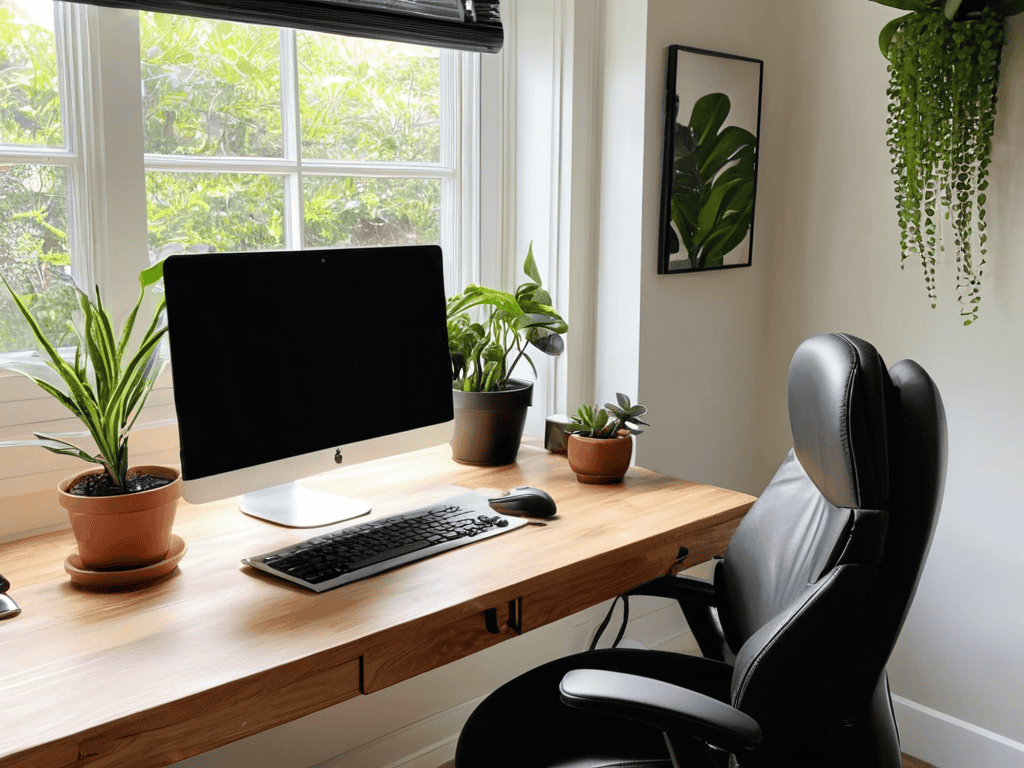
- Position your computer monitor directly in front of you, at a distance of about 20-25 inches, and at a height that allows you to gaze slightly downward
- Choose an office chair with adjustable height, lumbar support, and a breathable fabric to prevent discomfort and distractions
- Keep your keyboard and mouse close and at the same height to avoid straining your wrists and shoulders
- Consider investing in a document holder to keep your papers at eye level, reducing the need to constantly look down or bend
- Take regular breaks to stand up, stretch, and move around, even if it’s just a few jumping jacks or some neck rolls, to refresh your mind and body
Key Takeaways for a Healthy Home Office
Prioritize ergonomic furniture and equipment to prevent long-term health issues and boost productivity
Experiment with different workspace configurations, such as standing desk conversions, to find a setup that works best for your body and work style
Pay attention to often-overlooked details like office chair lumbar support and monitor placement to create a comfortable and sustainable work environment
Ergonomic Wisdom
A well-designed home office is not just a space, it’s a sanctuary that nurtures both body and mind – where ergonomics meets inspiration.
Amanda Green
Conclusion
In conclusion, creating an ergonomic home office is all about making intentional choices to prioritize your comfort and well-being. From setting up a standing desk to optimizing your office chair’s lumbar support, it’s the small details that can make a big difference in your productivity and happiness. By following the steps outlined in this guide, you can transform your home office into a space that supports your physical and mental health, allowing you to work more efficiently and effectively. Whether you’re a remote worker or an entrepreneur, investing in your home office ergonomics is an investment in yourself and your long-term success.
As you embark on this journey to create your ideal home office, remember that it’s a process and not a destination. Don’t be afraid to experiment and try new things – it’s all part of the journey to finding what works best for you. By embracing the principles of home office ergonomics, you’ll be able to work in a space that inspires and nurtures you, allowing you to reach your full potential and achieve your goals. So, take the first step today and start creating a home office that supports your unique needs and style, and get ready to experience the transformative power of a well-designed workspace.
Frequently Asked Questions
How can I determine the ideal height for my standing desk to avoid straining my neck and back?
To find your perfect standing desk height, stand up with your feet shoulder-width apart and let your arms hang loose. Bend your elbows at a 90-degree angle and your hands should be at the ideal keyboard height. Your monitor should be directly in front of you, at a distance of about 20-25 inches, and the top of the screen at eye level or slightly below.
What are some affordable alternatives to purchasing a new ergonomic office chair?
If a new ergonomic chair is out of budget, consider a lumbar roll or back support cushion for your current chair, or even repurposing a rolled-up towel for temporary relief. You can also explore refurbished or second-hand ergonomic chairs, which can be a cost-effective option without sacrificing comfort and support.
Can I effectively create an ergonomic home office in a small or shared space, such as a apartment or dorm room?
Absolutely, you can create an ergonomic home office in a small or shared space. It’s all about maximizing the area you have, investing in multi-functional furniture, and prioritizing your comfort and posture, even in a compact setup like an apartment or dorm room.

Leave a Reply
You must be logged in to post a comment.