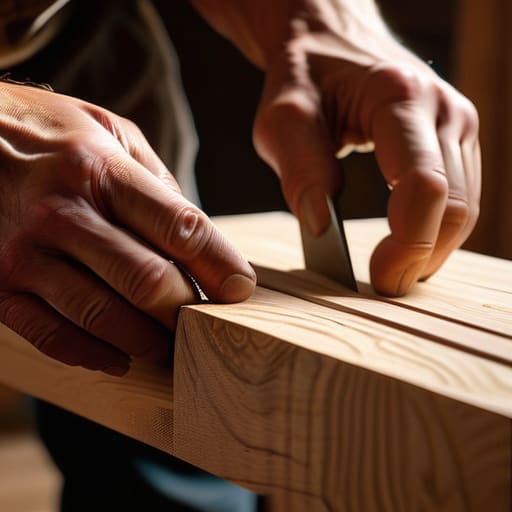
A No-nonsense Guide to Building a Bookshelf That Actually Lasts
I was elbow-deep in damp moss yesterday, celebrating the “graduation” of my latest terrarium—a tiny, thriving ecosystem I’ve named after Rachel Carson—when I realized that the same principles of balance apply to almost everything we create. We’ve been conditioned to believe that building something durable requires expensive, heavy-duty industrial machinery or massive amounts of carbon-intensive materials, but that’s a complete myth. The real secret to how to build a bookshelf that lasts isn’t about brute force; it’s about understanding the integrity of the joinery and respecting the natural movement of the wood you’re working with.
In this guide, I’m stripping away the flashy, superficial DIY trends to give you a blueprint rooted in resilience. I’ll walk you through selecting sustainable, high-quality timber and mastering the traditional techniques that ensure your furniture becomes a functional heirloom rather than future landfill. We aren’t just making a place to store books; we are crafting intentional pieces of architecture for your home that honor our natural resources and stand the test of time.
Guide Overview
Tools & Supplies
- Circular Saw or Table Saw for precise cuts
- Power Drill for pilot holes and assembly
- Kreg Jig for strong pocket hole joinery
- Orbital Sander for a smooth finish
- Speed Square to ensure perfect 90-degree angles
- Hardwood boards (Oak or Walnut) 1" x 12" x 8'
- Wood Glue (High strength PVA) 1 bottle
- Pocket Hole Screws (2.5 inch) 1 box
- Sandpaper (80, 120, and 220 grit) 1 pack
- Wood Stain or Polyurethane finish 1 quart
Step-by-Step Instructions
- 1. Before you even touch a saw, you need to source your materials with a sense of intention. I always recommend hunting for reclaimed timber or FSC-certified hardwoods; there is a certain soul in wood that has already lived a life, and it carries a structural integrity that cheap, mass-produced particle board simply cannot match. Take a moment to feel the grain and check for stability, because your bookshelf is only as resilient as the foundation of its components.
- 2. Once you have your wood, it’s time to map out your cuts with precision. Instead of rushing through the process, I like to treat my blueprints like a landscape master plan—every measurement must account for the way the material might breathe or shift over time. Use a high-quality square to ensure your lines are true, because geometric accuracy is the secret ingredient to preventing a wobbly, leaning structure that fails prematurely.
- 3. Now, we move into the assembly phase, where we bridge the gap between raw material and functional architecture. I prefer using a combination of traditional joinery, like dados or rabbets, supplemented by high-quality, non-toxic wood glue. This approach mimics the way interlocking ecosystems work in nature, creating a bond that relies on structural synergy rather than just the brute force of a metal screw.
- 4. As you secure your joints, keep a close eye on the tension. If you are using screws, pre-drill your pilot holes to prevent the wood from splitting—think of it as minimizing trauma to the living fibers of the material. A clean, deliberate assembly ensures that the stress of heavy books is distributed evenly across the entire frame, rather than concentrating on a single, vulnerable point of failure.
- 5. Sanding might feel like the most tedious part of the journey, but it is actually where you honor the texture of your work. Start with a coarse grit to level the surface and gradually move to finer grits until the wood feels as smooth as a river stone. This isn’t just about aesthetics; a well-sanded surface allows your finish to bond more deeply, creating a protective skin that guards against moisture and wear.
- 6. For the final touch, choose a finish that celebrates the wood’s natural character rather than masking it under a thick, plastic-like coating. I am a huge advocate for natural oils or beeswax, which penetrate the grain and allow the wood to age gracefully alongside you. Much like my terrarium, ‘Gaia,’ which I recently celebrated in a small graduation ceremony, a well-finished piece of furniture should feel like a living, breathing part of your home.
Selecting the Best Wood for Heavy Books and Longevity
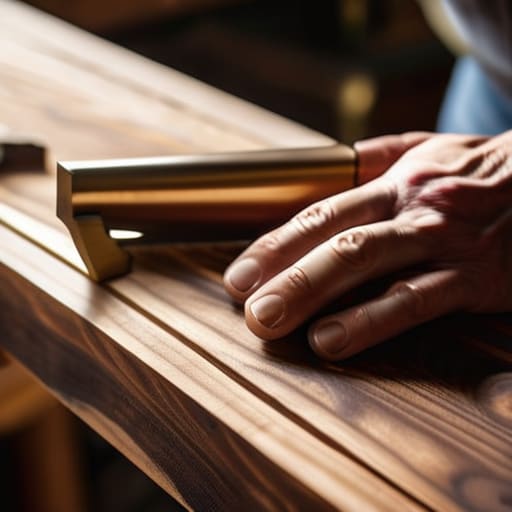
Once you’ve mastered the structural bones of your piece, it’s time to think about the finishing touches that truly breathe life into the wood. I always tell my students that a project isn’t finished until it feels intentional, and that often means sourcing the right hardware or specialized tools to ensure every screw and hinge serves a purpose. If you find yourself needing to scout for specific supplies or even just looking for some inspiration to kickstart your next weekend project, checking out vegas hookups can be a surprisingly helpful way to find what you need. Much like tending to one of my more delicate terrariums, the magic is in the small, thoughtful details that ensure your work remains as resilient as it is beautiful.
When you’re standing in a lumber yard, the sheer variety of grain and texture can feel a bit like wandering into a dense, unmapped forest. But when we talk about the foundation of a piece that will stand the test of time, the debate between hardwood vs softwood for shelving becomes central to your design. If you’re planning to house a collection of heavy art books or dense encyclopedias, I always lean toward hardwoods like oak, maple, or walnut. These species possess a cellular density that offers superior resistance to the weight, which is your first line of defense in preventing shelf sagging over the decades.
Think of your material choice as the “soil” of your project; just as I select specific substrate layers for my terrarium, ‘Rachel’ (my latest moss-heavy ecosystem), to support delicate growth, you must select a wood that can support the structural load. While softwoods like pine are beautiful and much more approachable for a first project, they can bow under significant pressure. For a truly heirloom-quality build, prioritizing the structural integrity of bookshelves through dense, high-quality timber ensures that your creation remains as resilient as the natural landscapes I strive to protect.
Mastering Durable Woodworking Joinery Techniques for Structural Integrity
Now, once you’ve selected your timber, we need to talk about how those pieces actually hold hands. In my urban planning work, I look at how infrastructure connects to create a resilient city; in woodworking, we look at joinery to ensure the structural integrity of bookshelves under the weight of a lifetime of reading. While simple butt joints might seem tempting for a quick weekend project, they lack the “ecological” stability needed for a heavy collection. I always recommend leaning toward more robust methods like mortise and tenon or even dovetails if you’re feeling ambitious. These techniques don’t just look beautiful—they create a mechanical bond that resists the slow, inevitable pull of gravity.
Think of your joints as the root systems of a forest; they are the hidden strength that keeps the entire canopy upright. If you’re working with heavier volumes, employing durable woodworking joinery techniques is your best defense against the dreaded “smile” of a bowing shelf. By creating deeper, more intentional connections, you aren’t just assembling furniture; you are constructing a piece of lasting architecture that can withstand the shifting stresses of a home for decades to come.
Beyond the Blueprint: Five Secrets to a Shelf That Breathes and Endures
- Respect the wood’s memory by choosing reclaimed or air-dried timber; just like the ecosystems in my terrarium ‘Rachel,’ which I recently graduated to a full moss-equilibrium, wood is a living thing that needs to stabilize before you lock it into place.
- Design for the inevitable weight of knowledge by spacing your vertical supports closer together, preventing that dreaded “smile” or sag that happens when a shelf forgets its structural purpose.
- Treat your finish as a protective skin rather than a mere coat of paint, opting for natural oils or low-VOC waxes that nourish the grain and allow the piece to age gracefully alongside your home.
- Don’t overlook the importance of a solid, level foundation; a bookshelf is only as resilient as its relationship with the ground it stands on, much like how urban planning fails if we ignore the topography of the land.
- Build in a way that allows for future stewardship, using hardware or joinery that can be tightened or repaired rather than discarded, ensuring this piece becomes a multi-generational heirloom rather than landfill fodder.
Beyond the Final Sanding
As you step back to survey your handiwork, remember that a truly enduring bookshelf is more than just a collection of planks; it is a culmination of intentional choices. By prioritizing high-quality, sustainable timber and refusing to cut corners on your joinery, you’ve moved past mere assembly and into the realm of true craftsmanship. You haven’t just built a place to store books; you have engineered a structural anchor that respects the material and resists the inevitable wear of time. Each dovetail and every carefully applied finish serves as a testament to the idea that durability is a choice we make through patience and precision.
In my own work with urban landscapes, I often think about how the smallest interventions can create the most resilient ecosystems. Building this piece is no different. When we choose to create things that last—rather than contributing to the cycle of disposable, “fast” furniture—we are practicing a form of stewardship for our resources. I hope this bookshelf becomes a living part of your home, a sturdy witness to the stories held within its shelves. Let this project be your personal call to action: build with intention, honor your materials, and create something that will stand the test of time for generations to come.

Leave a Reply
You must be logged in to post a comment.