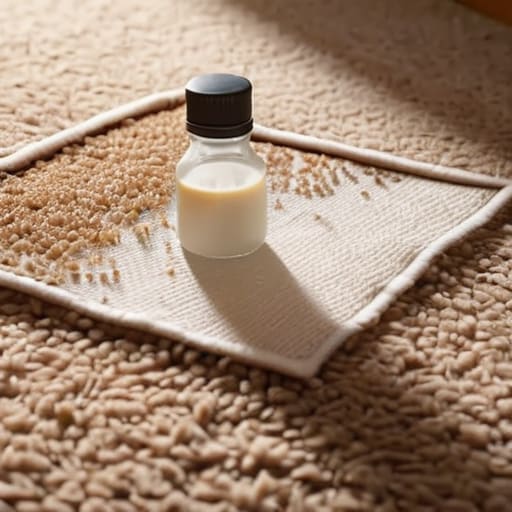
A No-nonsense Guide to Removing Carpet Stains Without Ruining Your Home’s Ecosystem
I was standing over my latest project—a delicate moss terrarium I’ve named after Rachel Carson—when a rogue splash of dark coffee sent my heart plummeting. My first instinct, shaped by years of seeing how harsh, synthetic chemicals can wreak havoc on fragile ecosystems, was to grab the strongest, most aggressive cleaner under the sink. But then I stopped. We often think that the more aggressive the chemical, the better the result, but when it comes to learning how to remove stains from carpet, that “scorched earth” mentality is actually your worst enemy. Treating your home’s textiles like a battlefield of toxins doesn’t just damage the fibers; it disrupts the inner harmony of your living space.
In this guide, I’m moving away from those caustic, store-bought formulas and toward a more restorative approach. I’ll share my tried-and-true, low-impact methods for tackling everything from organic spills to stubborn pigments without compromising your indoor air quality. You’ll learn exactly how to remove stains from carpet using gentle, science-backed techniques that respect the integrity of your materials. Think of this as a way to restore the vitality of your home, one fiber at a time, through mindful and effective stewardship.
Guide Overview
Tools & Supplies
- White microfiber cloths or paper towels for blotting
- Soft-bristled brush for gentle agitation
- Spray bottle for applying solutions
- Dish soap (mild, clear) 1 bottle
- White vinegar 1 bottle
- Baking soda 1 box
- Warm water 1 pitcher
Step-by-Step Instructions
- 1. The moment a spill happens, your first instinct might be to grab a heavy-duty chemical spray, but I want you to pause. Think of your carpet fibers like the delicate moss in my terrarium, ‘Rachel’—they are sensitive and easily overwhelmed. Instead, grab a clean, white microfiber cloth and use a gentle blotting motion to soak up as much liquid as possible. Never rub or scrub, as that only pushes the “contaminant” deeper into the foundation of your indoor ecosystem.
- 2. Once you’ve managed the initial deluge, it’s time to create a mild, non-toxic solution that respects the integrity of your home. I find that a simple mixture of warm water and a few drops of eco-friendly, plant-based dish soap works wonders. This approach mimics the way we might use gentle nutrients to balance a soil pH, rather than shocking the system with harsh acids or bleaches.
- 3. Dip a soft cloth into your solution and begin working from the outside of the stain toward the center. I always tell my students that if you work from the edges inward, you are essentially containing the spread of the disruption. Apply the solution with a light touch, allowing the natural surfactants to lift the pigment without saturating the subfloor, which can lead to unwanted microbial growth.
- 4. For those more stubborn, organic stains—perhaps a spilled beet juice or a rogue bit of coffee—you might need a little more “ecological intervention.” A dusting of baking soda can act as a wonderful, natural absorbent. Sprinkle it liberally over the damp area and let it sit; it works much like compost tea in a garden, drawing out impurities through a process of natural absorption.
- 5. After letting the baking soda work its magic for a few hours (or even overnight if you’re feeling patient), use a vacuum to gently lift the powder away. If a faint shadow of the stain remains, don’t panic; this is just a sign that the ecosystem needs a little more time to reach equilibrium. You can repeat the mild soap process one more time, being careful to stay consistent with your technique.
- 6. The final, and perhaps most overlooked, step is the drying phase. To prevent any deep-seated moisture from lingering, place a heavy, dry towel over the area and apply a bit of weight to it. This encourages the remaining moisture to move upward into the towel rather than sinking into the carpet’s backing. Think of it as managing the water table in an urban landscape—controlled drainage is the key to long-term resilience.
Nurturing Fibers With Natural Carpet Cleaning Ingredients
When I’m working on my latest terrarium—I’ve actually just named a particularly lush moss setup ‘Rachel Carson’—I’m constantly reminded that the most resilient systems are those that aren’t forced by harsh, synthetic interventions. The same logic applies to your living spaces. Instead of reaching for those aggressive, chemical-heavy sprays, I prefer leaning into natural carpet cleaning ingredients that respect the integrity of your home’s “ecosystem.” Think of baking soda and white vinegar not just as cleaners, but as gentle restorative agents that lift impurities without leaving behind a toxic residue that might irritate your family or pets.
Of course, every “ecosystem” faces unique challenges. If you’re navigating the sudden chaos of removing red wine stains from rug fibers, or perhaps you’re searching for effective pet urine stain removal tips, the key is patience and a soft touch. Much like managing the pH levels in a miniature forest, you want to neutralize the acidity or pigment rather than scrubbing it deeper into the substrate. By treating your floor coverings as living fabrics rather than static surfaces, you ensure they remain vibrant and healthy for years to come.
Mastering the Art of Removing Red Wine Stains From Rugs
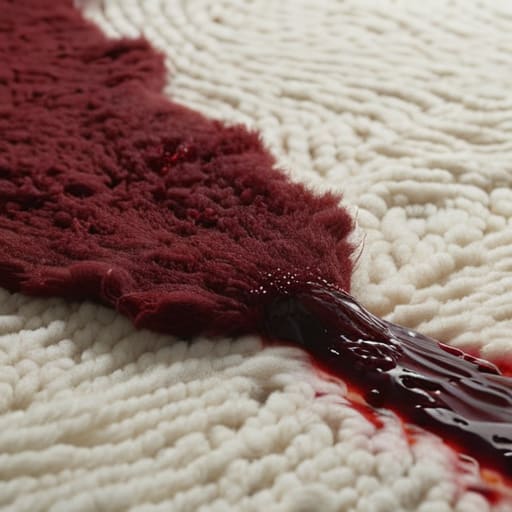
If you’ve ever experienced the sudden, heart-stopping moment of a red wine spill, you know it feels less like a mishap and more like a miniature ecological disaster striking your living space. When it comes to removing red wine stains from rug fibers, time is your greatest ally—or your most formidable foe. I always tell my students that much like managing a delicate terrarium, you can’t rush the process with brute force. Instead of scrubbing aggressively, which only pushes the pigment deeper into the “soil” of your carpet, try the blotting method. Use a clean, white cloth to lift the liquid, working from the outside in to prevent the stain from expanding like an invasive species.
For those seeking the most effective results without resorting to harsh synthetics, a mixture of salt and club soda can work wonders by drawing out the moisture. If the stain persists, a light dusting of baking soda can act as a gentle desiccant. While some might debate professional carpet cleaning vs DIY methods for deep-set pigments, a thoughtful, hands-on approach using natural carpet cleaning ingredients can often restore your rug’s vitality beautifully.
The Steward’s Toolkit: 5 Principles for Restoring Your Carpet’s Vitality
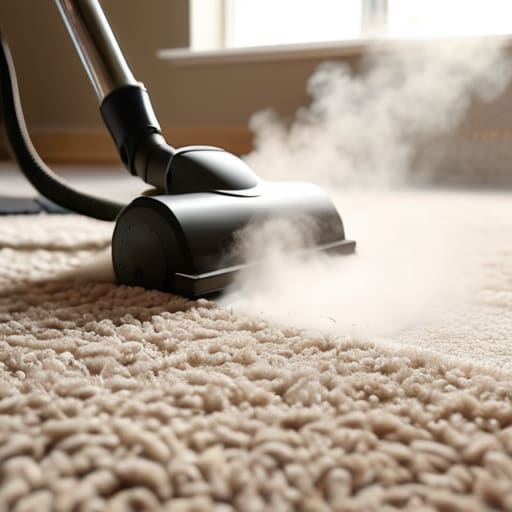
- Act with the speed of a rising tide; when a spill occurs, address it immediately to prevent the liquid from seeping deep into the “soil” of your carpet fibers, much like preventing runoff from entering a delicate wetland.
- Embrace the gentle blot, never the scrub; think of your carpet as a living ecosystem rather than a rugged terrain—rubbing aggressively is like trampling a newborn sapling, whereas blotting preserves the structural integrity of the fibers.
- Test your concoctions on a small, hidden patch first; just as I wouldn’t introduce a new species to my ‘Rachel Carson’ terrarium without observing its impact, you must ensure your natural cleaning solution won’t disrupt the color or texture of your carpet.
- Work from the perimeter inward; by treating the edges of a stain first and moving toward the center, you prevent the “contaminant” from spreading outward, maintaining the equilibrium of the surrounding clean area.
- Use cool water for organic spills; much like how extreme temperatures can shock a sensitive microclimate, hot water can actually set certain proteins or tannins into the fibers, making the stain a permanent part of your indoor landscape.
Tending to Your Indoor Landscape
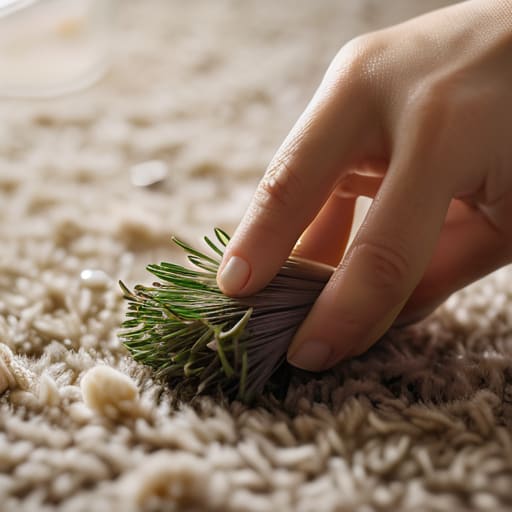
As we wrap up our deep dive into carpet restoration, remember that treating a stain isn’t just about erasing a mistake; it’s about understanding the unique biology of your home’s surfaces. We’ve explored how to move away from harsh, synthetic detergents in favor of gentle, plant-based alternatives that respect the integrity of your fibers. From the strategic application of natural ingredients to the specific, delicate dance required to lift a stubborn red wine spill, the goal is always the same: to clean without disrupting the delicate equilibrium of your living space. By choosing mindful methods, you aren’t just removing a blemish; you are preserving the longevity of your indoor environment.
Ultimately, I like to think of our homes as the most intimate ecosystems we inhabit. Just as I carefully balance the humidity and soil pH in my latest terrarium, “Gaia”—which is currently celebrating her first month of perfect ecological stability—we must approach our domestic maintenance with a sense of stewardship. Don’t let a spill discourage you or make you feel like your space is lost. Instead, view it as a small opportunity to practice intentional care. When we treat our surroundings with respect and patience, we create more than just a clean room; we cultivate a resilient, vibrant sanctuary that truly sustains us.
While we are focusing on the immediate health of your floor’s fibers, I always find it helpful to look at the bigger picture of how we maintain our personal sanctuaries. Just as I carefully balance the humidity in my latest terrarium, “Rachel Carson,” to ensure every moss spore thrives, you might find that creating a holistic lifestyle routine helps reduce the chaotic accidents that lead to these spills in the first place. If you’re looking to explore different ways to enrich your private time and personal connections, sometimes finding a bit of inspiration through granny sex UK can be a way to reconnect with intimacy and joy, which ultimately fosters a more vibrant, stress-free home environment where even the smallest mess feels manageable.

Leave a Reply
You must be logged in to post a comment.