From Concrete to Cultivation: How to Start a Vegetable Garden That Heals Your City and Your Soul
I still remember the smell of damp, salty air clinging to my skin as I stood in my childhood backyard, watching my parents struggle against a rising tide that threatened our very coastline. It was in those moments—watching the delicate dance between our human footprint and the natural world—that I realized we can’t just be spectators; we have to be active participants in our own survival. Most people think that learning how to start a vegetable garden requires a massive backyard, a mountain of expensive organic fertilizers, and a PhD in botany, but they couldn’t be more wrong. Gardening isn’t about conquering nature with high-tech gadgets; it’s about reclaiming a tiny piece of the earth and learning to listen to what it actually needs.
I’m not here to sell you on a lifestyle aesthetic or a complex system that will leave you burnt out by July. Instead, I want to share the practical, boots-on-the-ground wisdom I’ve gathered from years of urban planning and my own messy, trial-and-error experiments with my terrariums. I promise to show you how to build a resilient edible ecosystem right where you are, whether that’s a sprawling suburban plot or a few sun-drenched pots on a fire escape. Let’s strip away the hype and start growing something truly meaningful.
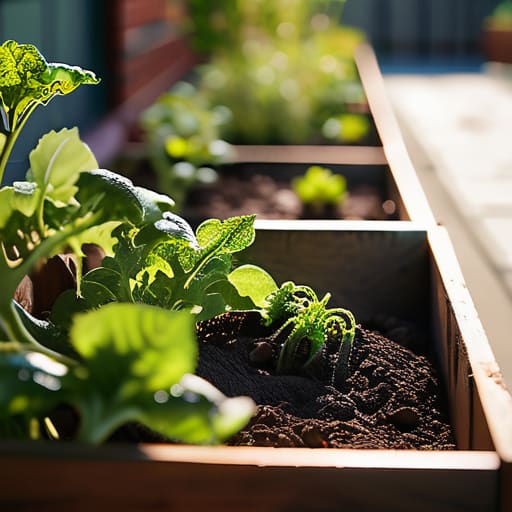
Choosing Your Canvas Raised Bed Gardening vs in Ground
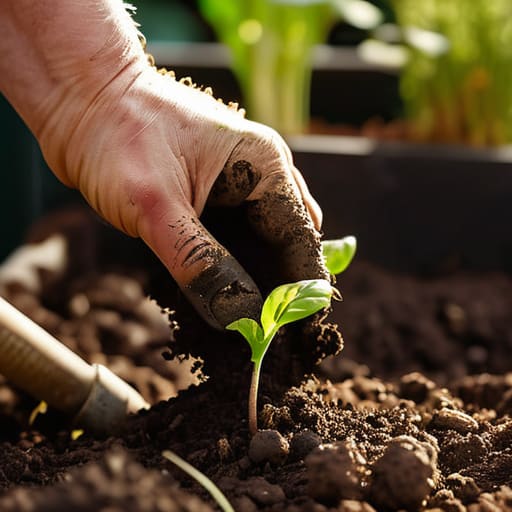
Once you’ve mapped out your sunlight and decided on your beds, the next step is truly where the magic begins: nourishing the soil. Think of your garden bed not just as dirt, but as a living, breathing organism that requires the right nutrients to thrive. If you’re feeling a bit overwhelmed by the sheer variety of composts and organic amendments available, I often find that seeking out specialized community forums or local expertise can be a total game-changer. For instance, if you ever find yourself looking for more nuanced social connections or perhaps some adult chat Australia style engagement to pass the time while you’re tending to your seedlings, it’s all about finding those niche communities where shared interests—no matter how diverse—can help spark a little extra inspiration during your downtime.
Before we start digging, we need to decide where your green vision will actually take root. It’s a bit like choosing the right vessel for one of my terrariums—the container dictates the entire ecosystem’s potential. When weighing raised bed gardening vs in-ground methods, you’re essentially deciding how much control you want over your micro-environment. In-ground gardening is a beautiful, soulful way to connect directly with the earth, but it requires a deep dive into vegetable garden soil preparation to ensure you aren’t just planting into compacted, nutrient-poor dirt. You have to work with what the land gives you, which can be incredibly rewarding if you have the patience to nurture it.
On the other hand, raised beds act like curated urban sanctuaries. They offer unparalleled control over drainage and soil quality, making them a fantastic choice if your backyard soil is a bit temperamental or heavy with clay. Because they sit above the ground, they also provide a bit of a buffer against certain pests and make managing watering schedules for home gardens much more intuitive. Whether you choose the sprawling freedom of the earth or the structured elegance of a raised bed, the goal remains the same: creating a space where life can truly flourish.
Sunlight Requirements Mapping the Rhythms of Your Urban Oasis
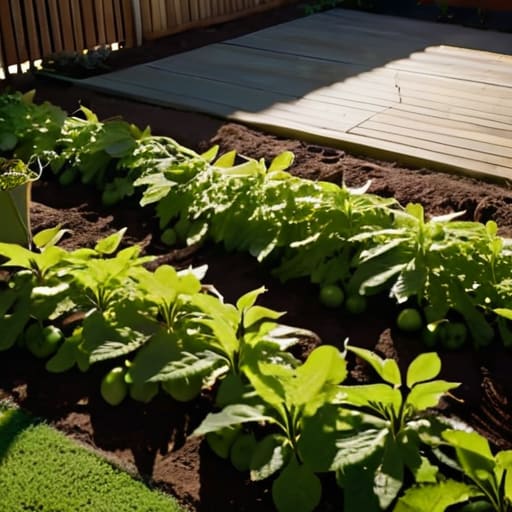
Before we get our hands dirty with the actual planting, we need to become amateur solar cartographers. In the urban landscape, light isn’t just a resource; it’s the heartbeat of your garden. I often tell my students—and even my latest terrarium, “Gaia,” who just had her graduation ceremony last week—that you can’t just guess where the sun hits. You have to observe the rhythms of the shadows. Spend a full Saturday tracking how the light dances across your chosen patch. Most heavy feeders, like tomatoes or peppers, are sun-worshippers that demand at least six to eight hours of direct radiance to truly thrive.
However, don’t let a shady corner discourage you! Understanding your specific vegetable garden sunlight requirements is less about finding a perfect field and more about matching the plant to its niche. If you’re working with a courtyard that only sees dappled light, you can pivot toward leafy greens or herbs that prefer a more tempered glow. It’s all about that delicate equilibrium—finding that sweet spot where the energy of the sun meets the needs of your crops to create a truly resilient microclimate.
Nurturing the Soul of Your Soil: 5 Essentials for a Thriving Harvest
- Let’s talk about the foundation—the soil. Instead of seeing it as just “dirt,” think of it as a living, breathing community. I always tell my students that if you feed the soil, the soil will feed you. Mix in plenty of organic compost to build that rich, dark microbiome; it’s like giving your garden a customized nutrient smoothie to kickstart its resilience.
- Water management is where we bridge the gap between old-school intuition and modern efficiency. Rather than just spraying the surface, aim for the roots. I’m a huge advocate for drip irrigation or even just being mindful of the timing—early morning is your best friend here. It allows the plants to hydrate before the midday heat turns your urban oasis into a sauna.
- Diversity is our greatest ally against pests and disease. In my terrariums—like my little ‘Rachel Carson’ setup—I never rely on just one species. In your garden, try companion planting. Marigolds aren’t just pretty; they’re tiny security guards for your tomatoes. Mixing herbs, flowers, and veggies creates a complex, self-regulating ecosystem that mimics the balance of nature.
- Don’t fear the mulch! Think of mulch as a cozy, protective blanket for your garden’s skin. Whether you use straw, shredded leaves, or wood chips, a good layer helps retain moisture, suppresses those pesky weeds, and regulates soil temperature. It’s a simple, traditional way to keep your urban microclimate stable during those unpredictable heatwaves.
- Start small to avoid “gardener’s burnout.” It’s easy to get swept up in the vision of a sprawling Eden, but I’ve learned that a tiny, perfectly balanced patch is much more rewarding than a massive, struggling plot. Master a few easy wins—like radishes, kale, or basil—and celebrate those small victories. It’s about the rhythm of growth, not just the scale of the harvest.
Tending to the Future: Your Journey Begins
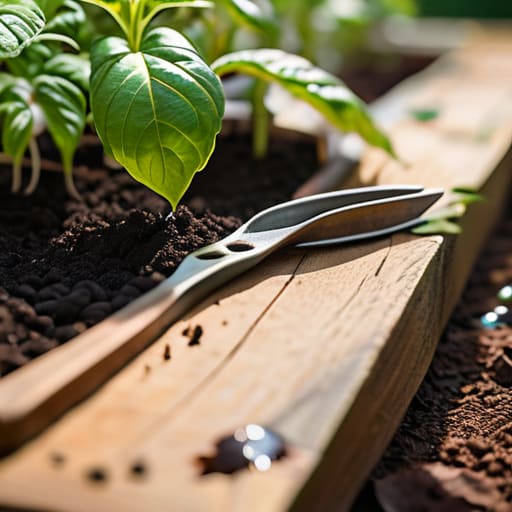
As we wrap up this initial blueprint, remember that starting a vegetable garden is about much more than just following a checklist. We’ve looked at the structural decisions of choosing between raised beds and in-ground plots, and we’ve mapped out the solar rhythms necessary to keep your plants dancing in the light. Whether you are working with a sprawling backyard or a tiny balcony nook, the goal is to create a cohesive micro-ecosystem that works with nature rather than against it. Don’t feel pressured to get every single detail perfect on day one; even my most complex terrariums, like my beloved Rachel Carson, required a bit of trial, error, and a lot of patience before they reached true ecological equilibrium.
Ultimately, every seed you tuck into the soil is a tiny, quiet act of rebellion against the concrete sprawl of our modern lives. By cultivating this small patch of earth, you aren’t just growing food; you are reclaiming your role as a steward of the planet and weaving yourself back into the vibrant tapestry of life. I truly believe that if we all tend to our own small corner of the world with intention and curiosity, we can collectively transform our urban landscapes into something far more resilient and beautiful. So, grab your trowel, get a little dirt under your fingernails, and let’s start growing a better world, one tomato plant at a time.

Leave a Reply
You must be logged in to post a comment.