7 Genius Ways to Organize a Small Kitchen and Double Your Counter Space
I was sitting in my studio this morning, tending to “Rachel”—my latest closed-system terrarium named after Carson—and I found myself thinking about how easily a tiny, delicate ecosystem can spiral into chaos if the resources aren’t managed with intention. It hit me that our homes, particularly our kitchens, function in much the same way. When you’re working with limited square footage, every square inch is a precious resource, and a cluttered countertop is essentially an ecological imbalance that disrupts your daily flow. Finding the best ways to organize a small kitchen isn’t just about tidying up; it’s about designing a high-yield, functional environment where you can actually breathe and create.
In the following sections, I’m going to guide you through seven strategic interventions to transform your cramped cooking space into a masterpiece of efficiency. We aren’t just going to move boxes around; we are going to apply principles of spatial harmony and thoughtful resource management to your cabinetry and counters. By the end of this list, you’ll have a blueprint for a kitchen that feels less like a storage unit and more like a thriving, resilient ecosystem tailored perfectly to your lifestyle.
Verticality as a Living Scaffold
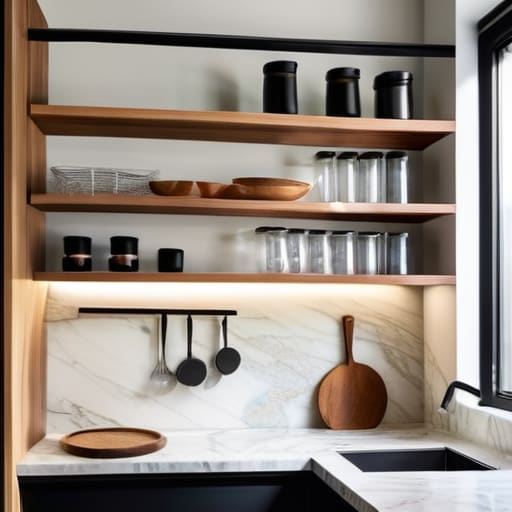
When I’m designing a new urban park, I rarely look at the ground first; I look at how we can utilize the air above us to create depth without sacrificing footprint. Your kitchen is no different. Instead of letting your precious countertop real estate get swallowed up by spice jars and oils, think about installing wall-mounted shelving or magnetic strips. This mimics the way climbing plants use trellises to reach for the light, maximizing every square inch of available space.
The Art of Zonal Stratification
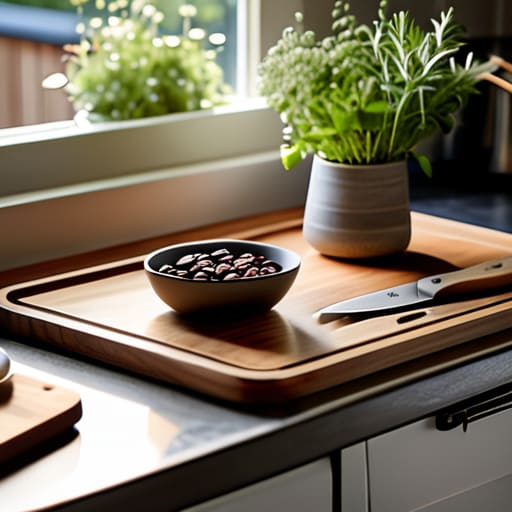
In my terrariums—specifically my latest one, “Rachel Carson,” which just had its third successful nutrient cycle—I carefully layer different elements based on their needs. You can apply this same principle of stratification to your kitchen by organizing your tools into activity zones. Group your coffee supplies near the kettle, your prep tools near the cutting boards, and your cleaning supplies under the sink.
Multi-Functional Modularism
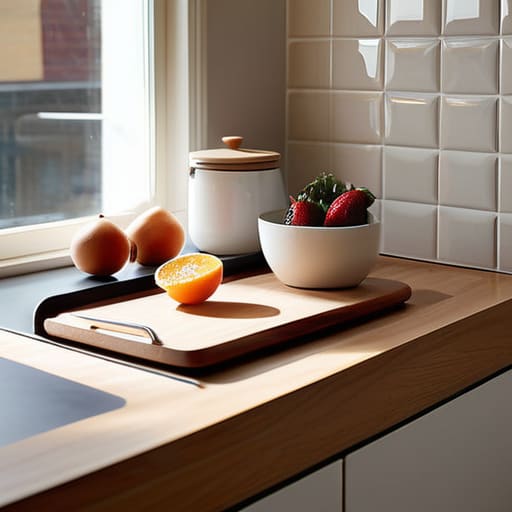
One of the biggest lessons from sustainable urban planning is that a single space must serve multiple purposes to remain resilient. In a small kitchen, a standard dining table might be too bulky, but a fold-down wall desk or a rolling butcher block can act as a prep station, a dining area, and a workspace all in one. We want to avoid “static” furniture that sits idle most of the day.
Transparency and Visual Flow
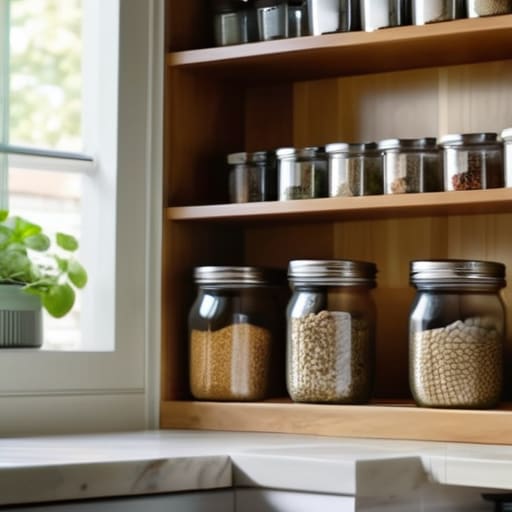
There is a certain chaos that comes with opaque containers; they hide the “resources” within, leading to waste and confusion. I’ve found that using clear glass canisters for grains, pasta, and legumes creates a beautiful, rhythmic visual pattern that feels incredibly intentional. It’s reminiscent of how we use glass in modern architecture to blur the lines between the interior and the exterior, making small spaces feel much larger.
Utilizing the Hidden Understory
In a forest, the most intense activity often happens in the understory—the space between the canopy and the floor. In your kitchen, this translates to the often-ignored gaps under cabinets, inside doors, and beneath the sink. I highly recommend installing over-the-door organizers or pull-out tiered drawers to capture this “lost” territory.
Curated Minimalism over Clutter
It’s tempting to want to keep every gadget you’ve ever purchased, but a cluttered environment is an ecologically unstable one. I often tell my students that a landscape is most beautiful when it isn’t overcrowded with invasive species. Apply this to your kitchen by performing a seasonal audit of your tools. If you haven’t used that specialized egg slicer in a year, it’s likely taking up space that your daily essentials desperately need.
Mobile Micro-Stations
Sometimes, the architecture of a room simply won’t allow for more permanent additions. In these cases, we have to look toward mobility. A small rolling kitchen cart is like a nomadic garden bed; it can be brought into the center of the room when you’re hosting a dinner party and tucked into a corner when the work is done. It provides an extra layer of surface area that is completely adaptable.
Cultivating Your Culinary Ecosystem
As we’ve explored, organizing a small kitchen isn’t just about tidying up; it’s about applying the same principles of resource management that I use when designing a resilient urban park. By utilizing vertical space, embracing modular storage, and treating every square inch like a precious piece of real estate, you transform a cramped room into a high-functioning habitat. Whether you are implementing tiered shelving or designating specific zones for your tools, the goal is to reduce friction and create a flow that feels natural. Remember, a well-organized kitchen is a balanced ecosystem where everything has its place, preventing the “clutter erosion” that so often disrupts our daily rhythm.
Ultimately, I want you to look at your kitchen not as a limitation, but as a beautiful, miniature landscape waiting to be curated. Just as I celebrate the “graduation” of my latest terrarium, I hope you find a sense of profound satisfaction when your kitchen finally reaches its own state of ecological equilibrium. Don’t be afraid to iterate and evolve your design as your needs change; even the most sophisticated urban landscapes require constant, mindful stewardship. Start small, stay intentional, and watch as your tiny culinary corner becomes a thriving sanctuary that nourishes both your body and your spirit.
As you begin to cultivate this sense of order within your own culinary ecosystem, don’t forget that true sustainability often flourishes through community connection and the sharing of local wisdom. Just as I often find inspiration for my larger urban projects by observing how people interact in shared public spaces, I’ve realized that even the most intimate home projects benefit from a sense of belonging. If you ever find yourself seeking that same spark of social energy or looking for ways of meeting people in Wollongong to exchange ideas on living more intentionally, I highly recommend stepping outside your kitchen sanctuary to find those human connections that truly enrich our collective environment.

Leave a Reply
You must be logged in to post a comment.