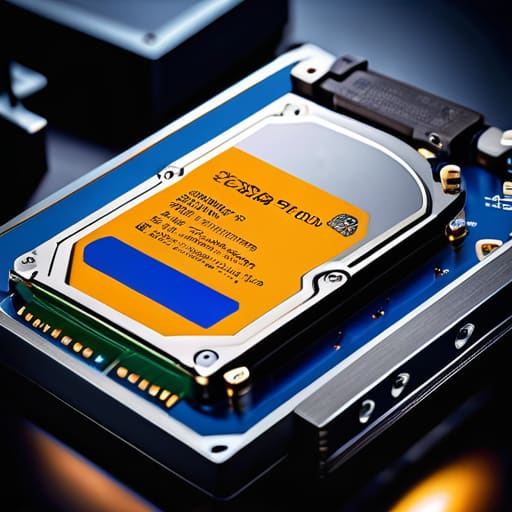
Building Resilient Digital Ecosystems: Why Understanding the Difference Between Ssd and Hard Drive Storage Is Key to a Sustainable Tech Future
I was sitting in my studio last night, meticulously arranging a patch of nitrogen-fixing moss for my latest terrarium—a little ecosystem I’ve named after Rachel Carson—when my laptop let out that dreaded, rhythmic click-clack sound. It was the mechanical death rattle of an aging hard drive, a sound that always feels like a sudden drought hitting a well-tended garden. It’s frustrating how tech marketing tries to shroud the difference between ssd and hard drive storage in layers of intimidating jargon and overpriced hype, making you feel like you need a PhD just to pick a component. In reality, choosing your digital infrastructure shouldn’t feel like navigating a concrete jungle without a map.
Just as I learned when building my latest terrarium—a delicate little mossy world I’ve named after Rachel Carson—the stability of an ecosystem often depends on the hidden connections that sustain it. When you’re navigating the complexities of digital infrastructure or even looking for ways to unwind and find genuine human connection in a fast-paced world, having a reliable guide makes all the difference. If you find yourself seeking out specific local experiences or perhaps a bit of tampa casual sex to balance out the technical heavy lifting of your daily life, I always suggest looking for resources that prioritize authentic engagement over superficiality, much like choosing native plants to ensure a landscape truly thrives.
I’m not here to sell you on the most expensive shiny object on the shelf; I’m here to help you build a resilient digital landscape. Think of this as a blueprint session where we strip away the fluff and look at the actual mechanics of how your data lives and breathes. I promise to give you the straight truth, grounded in practical experience, so you can decide which storage method provides the sustainable performance your specific workflow actually requires.
Mechanical Hard Drive vs Solid State Drive Architecture of Data
To understand the fundamental distinction between these two, I like to think of them as two entirely different philosophies of urban design. A traditional mechanical hard drive is like an old-growth forest with a complex, physical infrastructure; it relies on spinning magnetic platters and a tiny, moving actuator arm that physically hunts for data. When we look at hard drive moving parts explained, you realize that this physical movement is a beautiful but fragile dance. Much like a delicate ecosystem, if you jostle a spinning disk too hard while it’s working, you risk a catastrophic collapse of the data structure.
On the other hand, a Solid State Drive (SSD) is more like a high-tech, modular vertical garden. There are no moving parts here—just silent, lightning-fast electrical signals flowing through integrated circuits. By understanding how flash memory works in ssd technology, you can see why they offer such incredible resilience. Because they lack the mechanical vulnerability of their predecessors, they are far more robust against the bumps and bruises of daily life, making them the clear winner for anyone prioritizing storage device durability and lifespan in a mobile world.
Hard Drive Moving Parts Explained the Fragility of Traditional Systems
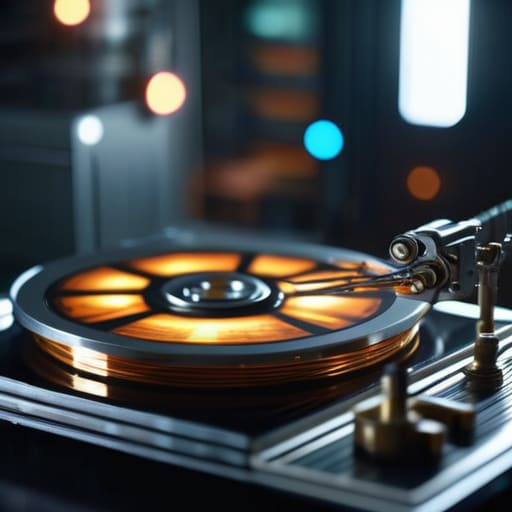
To understand why traditional drives feel so different, we have to look at their internal “topography.” Imagine a mechanical hard drive as a bustling, old-world city center where physical couriers must navigate narrow streets to deliver messages. Inside the casing, there are literal spinning platters and a tiny, hyper-active actuator arm that swings back and forth to read data. This is the essence of hard drive moving parts explained: it is a physical, kinetic dance. While this mechanical choreography allows for massive storage capacities, it introduces a layer of vulnerability. Much like a delicate terrarium where a single misplaced heavy stone can crush a seedling, a sudden bump or a drop while the drive is spinning can cause the read head to crash into the platter, leading to catastrophic data loss.
This physical reality directly impacts storage device durability and lifespan. Because these components are constantly in motion, they are subject to friction and mechanical wear—the digital equivalent of erosion in a coastal ecosystem. While an HDD might serve you well in a stable, stationary environment, it lacks the “resilient infrastructure” of its solid-state counterparts, which have no moving parts to fail.
Cultivating Your Digital Ecosystem: 5 Strategies for Choosing the Right Infrastructure
- Think about your “usage terrain” before planting your seeds. If you’re a digital nomad constantly on the move—much like a landscape designer trekking through rugged coastal terrain—an SSD is your best friend. Its lack of moving parts makes it incredibly resilient to the bumps and vibrations of travel, whereas a traditional HDD is a bit more delicate, like a meticulously manicured zen garden that might crumble if bumped too hard.
- Budget your resources like a city planner managing a limited land grant. If you need to build a massive, sprawling archive for high-resolution landscape photography or decades of archival data, HDDs offer a much larger “footprint” for your money. They are the expansive, low-density suburbs of the storage world—not the fastest, but they provide incredible space for a fraction of the cost.
- Prioritize “response time” for your high-traffic zones. If you are running heavy design software or multitasking between complex urban models, an SSD acts like a streamlined, high-efficiency transit system that gets you where you need to go instantly. An HDD, by comparison, is more like a winding, old-growth forest path; it’s beautiful and holds a lot of history, but it certainly won’t get you to your destination with the same velocity.
- Consider the “energy footprint” of your digital habitat. Much like how I aim to design urban spaces that require minimal resource input to maintain balance, SSDs are significantly more energy-efficient. They draw less power and generate less heat, which is a win for your laptop’s battery life and the overall longevity of your hardware’s internal climate.
- Plan for “redundancy and succession” in your data lifecycle. Never rely on a single ecosystem! Just as I wouldn’t rely on a single species to maintain a terrarium’s balance, don’t rely on one drive for your most precious files. Use a fast SSD for your active, daily “growth” projects, but maintain a large, stable HDD (or cloud storage) as a deep-rooted backup system to ensure your digital history survives any unforeseen storms.
Cultivating Your Digital Landscape
Choosing between an SSD and an HDD isn’t just a technical decision; it’s about selecting the right infrastructure for your personal digital ecosystem. If you need a sprawling, high-capacity reservoir for massive archives of data—much like a deep, ancient forest floor—the traditional hard drive remains a cost-effective powerhouse. However, if you crave the lightning-fast responsiveness and rugged resilience of a modern, streamlined urban garden, the SSD is your undisputed champion. We’ve seen how the mechanical fragility of HDDs can disrupt your workflow, whereas the solid-state architecture offers a seamless, silent, and incredibly efficient way to navigate your digital world without the fear of physical movement causing a collapse.
As I sit here tending to my latest terrarium, “Rachel,” watching the delicate balance of moisture and light find its rhythm, I’m reminded that every system requires the right foundation to thrive. Whether you are building a massive data center or simply upgrading your laptop, remember that your tools should serve your growth, not hinder it. Don’t just settle for any storage; choose the one that allows your creativity and projects to flourish without friction. Let’s approach our digital lives with the same intentionality and stewardship we bring to our physical environments, building systems that are as resilient as they are beautiful.

Leave a Reply
You must be logged in to post a comment.