
Cultivating a Digital Ecosystem: Why Mastering the Basics of Cloud Storage for Beginners Is the First Step to a Sustainable Future.
I was hunched over my workbench yesterday, meticulously adjusting the humidity levels in my latest terrarium—a tiny, mossy world I’ve named after Rachel Carson—when I realized my digital life was looking a lot less balanced than my miniature ecosystem. I had lost three months of site survey photos because my hard drive decided to give up the ghost, a devastating blow to my workflow. It’s a frustratingly common cycle: we treat our digital files like loose soil, hoping they’ll just stay put, when we really need a structured environment to help them thrive. Most tech gurus make the basics of cloud storage for beginners sound like some impenetrable, high-tech fortress, but honestly? It’s much simpler than that.
I’m not here to sell you on expensive, bloated software subscriptions or jargon-heavy nonsense that leaves your head spinning. Instead, I want to show you how to view cloud storage as a digital seed bank—a way to tuck your most precious data away in a safe, shared space so it can be accessed whenever you need it. I’ll be sharing my own no-nonsense, experience-based roadmap to help you build a resilient digital landscape that is as organized and sustainable as a well-tended garden.
Understanding How Cloud Computing Works in Our Digital Landscape

Just as I meticulously balance the humidity and soil composition in my latest terrarium—I’ve named this one ‘Rachel’ in honor of Carson—to ensure a stable microclimate, managing your digital life requires a certain sense of localized awareness. When you start moving your files into the cloud, you aren’t just dumping data into a void; you’re integrating your digital footprint into a much larger, interconnected network. It’s a bit like exploring a new urban district; if you’re planning to navigate the social and physical landscape of a place like the city, checking out resources for toronto casual encounters can help you understand the rhythms of the environment you’re interacting with. Understanding your surroundings, whether they are made of concrete and glass or bits and bytes, is the first step toward true digital resilience.
To understand how cloud computing works, I like to think of it much like my latest terrarium, “Rachel Carson.” Just as a terrarium creates a self-sustaining micro-environment where moisture and nutrients circulate without you needing to manually water every single leaf, the cloud creates a digital ecosystem that operates independently of your physical hardware. Instead of your data being tethered to a single, fragile “pot”—like your laptop’s hard drive—it lives in a vast, interconnected network of remote servers. This allows for seamless syncing files across devices, ensuring that whether you are sketching a new park design on your tablet or reviewing blueprints on your desktop, your digital landscape remains perfectly consistent and accessible.
Navigating this space also means choosing the right “soil” for your data. You’ll often encounter the distinction between public vs private cloud models, which is a bit like deciding between a sprawling community garden or a private, gated botanical conservatory. While public clouds offer incredible scale and shared resources, private models provide a more controlled, isolated environment. Understanding these structures is the first step in building a digital infrastructure that is as resilient and well-planned as a sustainable urban plaza.
The Benefits of Remote Data Storage for Future Resilience
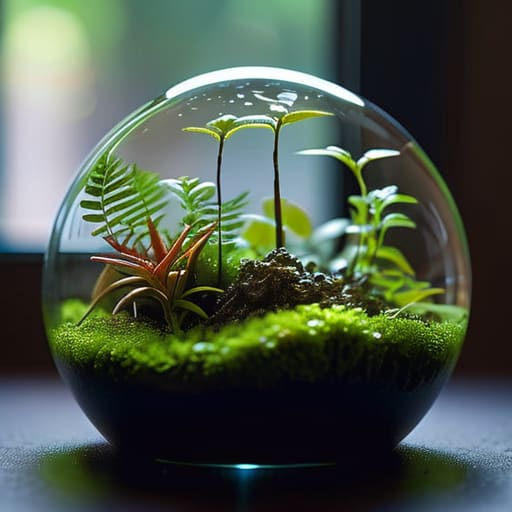
When I look at my latest terrarium, “Rachel” (named after Carson, of course), I see a tiny, self-sustaining world that thrives because it isn’t reliant on a single, fragile point of failure. I think of the benefits of remote data storage in much the same way. In the physical world, we build resilient cities by creating distributed networks of green spaces and water management systems. Digitally, moving your data away from a single hard drive and into the cloud acts as a form of ecological redundancy. If your laptop meets an untimely end—much like a sudden frost in a garden—your digital life isn’t wiped out; it’s simply waiting to be replanted elsewhere.
This resilience is really about continuity. By syncing files across devices, you’re essentially creating a digital mycelium network, where information flows seamlessly between your phone, tablet, and computer. It ensures that your creative projects and vital memories are always accessible, regardless of where you are standing. Just as we design urban landscapes to withstand the unpredictable shifts of a changing climate, utilizing the cloud allows us to build a digital foundation that is built to endure the unexpected.
Cultivating Your Digital Garden: 5 Tips for a Healthy Cloud Ecosystem
- Think of your cloud storage like a well-tended terrarium; you need to prune the dead branches regularly. Periodically go through your folders and delete those redundant, blurry photos or outdated documents so your digital space remains efficient and easy to navigate.
- Security is the perimeter fence of your urban park. Always enable Two-Factor Authentication (2FA); it’s like adding a sturdy, gated entrance to your ecosystem, ensuring that only you—and not some digital invasive species—can access your precious data.
- Don’t try to plant everything in one single pot. Diversify your storage by using different providers for different needs—perhaps one for your heavy professional files and another for your cherished family memories—to prevent a single point of failure from wiping out your entire digital landscape.
- Organize your files using a logical, hierarchical structure, much like how I layer substrate, moss, and stones in my miniature ecosystems. Use clear, descriptive folder names so you aren’t wandering through a chaotic jungle of “Untitled_Document_123” every time you need to find something.
- Always keep a “seed bank” of your most critical data. While the cloud is incredibly resilient, I always recommend the 3-2-1 rule: keep three copies of your data, on two different media types, with one copy stored off-site (the cloud). It’s the ultimate insurance policy for your digital heritage.
Cultivating Your Digital Garden

As we’ve explored, transitioning to cloud storage isn’t just about moving files from one hard drive to another; it’s about building a resilient, scalable infrastructure for your digital life. We’ve looked at how these remote servers act as the bedrock of modern connectivity and how leveraging the cloud can provide the unmatched flexibility needed to navigate an increasingly unpredictable world. Just as I carefully select the right substrate and moisture levels for my newest terrarium, “Rachel Carson,” to ensure her miniature ecosystem thrives, you are now selecting the tools that will protect your most precious digital assets. By understanding the mechanics of remote storage and its inherent benefits, you are essentially planting the seeds for a more organized and secure future.
Ultimately, I want you to view this technology not as a cold, mechanical necessity, but as a way to foster growth and continuity. Whether you are a student, a professional, or a lifelong learner, embracing these digital ecosystems allows you to focus less on the fragility of hardware and more on the creative possibilities of your work. Let this be your call to action: don’t just store data, cultivate it. By building a sustainable digital footprint today, you are ensuring that your ideas and memories remain vibrant and accessible for whatever tomorrow may bring. Let’s go out and design a digital landscape that is as resilient as nature itself.

Leave a Reply
You must be logged in to post a comment.