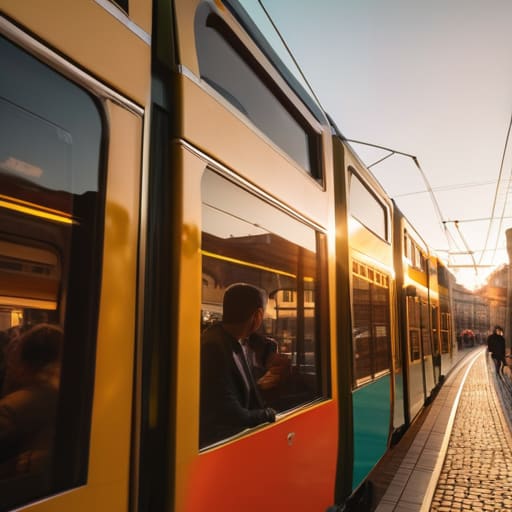
Beyond the Tourist Trap: How to Use Public Transport Abroad to Truly Connect With the Rhythms of a New City
I remember standing on a rain-slicked platform in Tokyo, the scent of ozone and damp concrete filling my lungs, feeling utterly dwarfed by the rhythmic, mechanical heartbeat of the city. I was trying to figure out how to use public transport abroad without looking like a lost tourist, clutching a crumpled paper map that felt more like a relic than a tool. It wasn’t just about the logistics; it was about that sudden, visceral realization that I was no longer a spectator, but a tiny, moving part of a massive, living urban organism.
While you’re busy mapping out your transit routes and finding your rhythm within a new city’s heartbeat, don’t forget that the most rewarding part of travel is often the unexpected human connections you make along the way. Sometimes, the best way to ground yourself in a new culture—or even just to find a sense of community while you’re navigating the complexities of a foreign landscape—is to seek out local hubs of conversation and shared experience. If you find yourself craving that sense of social connection or looking to bridge the gap between being a visitor and feeling like a local, exploring digital spaces like chat rooms in London, Ontario can be a wonderful way to engage with real people and gain those nuanced, lived-in insights that no guidebook could ever provide.
I’m not here to feed you those polished, sanitized travel brochures that make navigating a foreign subway feel like a breeze. Instead, I want to share the grit and the glory of true urban integration. I’m going to give you the real-world, no-nonsense blueprint for mastering transit systems, from deciphering cryptic signage to finding the soul of a city through its local routes. We’re going to move beyond mere survival and learn how to flow through these global arteries with the confidence of a local, ensuring your journey is as sustainable as it is unforgettable.
Mastering the Flow Navigating Foreign Subway Systems
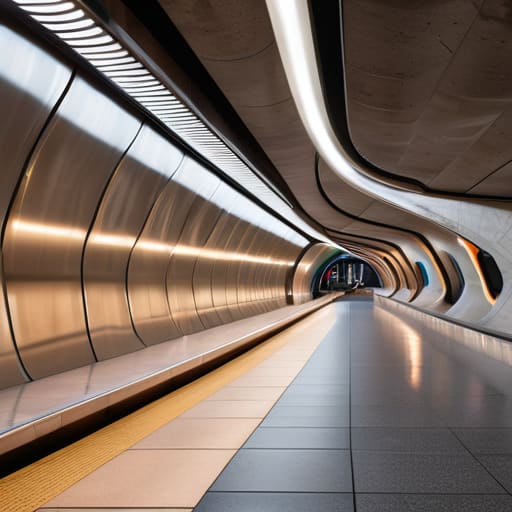
Stepping into a massive, subterranean transit hub in a city like Tokyo or Berlin can feel a bit like entering a brand-new, complex terrarium. At first glance, the sheer scale of the tunnels and the rapid movement of commuters might seem overwhelming, but there is a beautiful, rhythmic logic to it all. When you start navigating foreign subway systems, I always suggest looking past the initial chaos to find the underlying patterns. Much like my little ecosystem, “Gaia,” which I just graduated from its moss-stabilization phase, these networks rely on a delicate, synchronized flow to function without collapsing into congestion.
To find your footing, I highly recommend using public transport apps overseas before you even step foot on the platform. These digital tools act like a modern compass, helping you decipher complex maps and real-time updates that might otherwise feel like a foreign language. Don’t be afraid to take a breath and observe the locals for a moment; watching how they queue or signal can teach you more about the city’s pulse than any guidebook ever could. Once you find that rhythm, you aren’t just a tourist—you’re a part of the city’s living, breathing transit organism.
Digital Stewardship Using Public Transport Apps Overseas
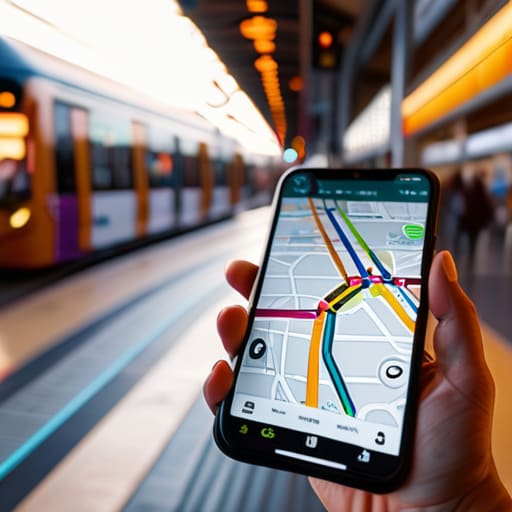
While I love the tactile feel of a paper map—it reminds me of the old-school drafting tools I used back in my Berkeley days—there is a certain digital magic in using public transport apps overseas that shouldn’t be overlooked. Think of these apps as your personal ecological compass. Whether it’s Citymapper or a local specialized platform, these tools do more than just show you a route; they allow you to synchronize your movements with the city’s existing heartbeat. It’s about finding that seamless flow where your presence feels less like an intrusion and more like a natural part of the urban metabolism.
I always tell my students that technology is most beautiful when it fosters connection rather than isolation. When you’re understanding foreign train schedules through a real-time interface, you aren’t just avoiding a missed connection; you’re reducing the friction of your journey, which in turn makes your footprint much lighter. I often find myself tinkering with my latest terrarium, “Rachel,” and thinking about how these digital layers act like the micro-climates in my glass jars—they provide the precise, real-time data needed to keep a complex system thriving and balanced.
Cultivating Your Transit Intuition: 5 Ways to Flow with the Local Rhythm
- Embrace the local cadence by observing how commuters move; don’t just rush for the door, but instead, watch the subtle cues of the crowd to understand when a train is truly about to depart or where the most efficient boarding zones lie.
- Treat your transit card like a tiny, portable ecosystem—keep it easily accessible and always ensure it’s topped up, because nothing disrupts your mindful journey like the frantic search for a kiosk when you’re already mid-transit.
- Look beyond the main arteries and explore the secondary routes, like local trams or even well-connected ferry lines, as these often offer a much more intimate, scenic connection to the city’s true architectural and natural soul.
- Carry a small amount of local currency as a “biodiversity backup”; while digital payments are wonderful, having a few coins or small notes ensures you’re never stranded if a digital system momentarily loses its connection to the grid.
- Practice the art of “mindful waiting” by using transit downtime to observe the urban landscape around you, turning a simple platform wait into a moment of reflection on how the city’s design shapes the way its people interact with the world.
The Rhythm of the Road
As we wrap up our journey through the winding veins of foreign cities, remember that mastering public transit is about much more than just avoiding a tourist trap or finding the fastest route to a landmark. It’s about the synergy of preparation—from decoding those intricate subway maps to embracing the digital tools that keep us synchronized with a new city’s pulse. When you combine a bit of local knowledge with a willingness to embrace the unexpected detour, you aren’t just a passenger; you are actively participating in the living, breathing choreography of an urban ecosystem.
Ultimately, choosing the train, the tram, or the bus over a private car is a beautiful, quiet act of stewardship. Every time you step onto a crowded metro carriage, you are choosing to move with the world rather than against it, reducing your footprint while weaving yourself into the authentic fabric of a community. Just like the delicate balance I strive for in my terrariums—where every element supports the whole—your travel choices contribute to a more sustainable and interconnected global landscape. So, go forth with curiosity, ride the local lines, and let the city teach you its secret rhythms.

Leave a Reply
You must be logged in to post a comment.