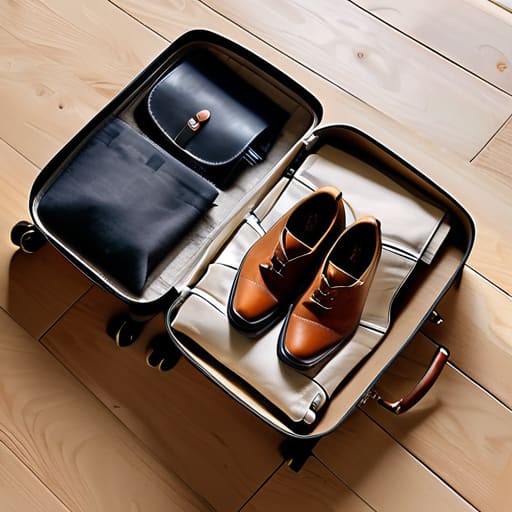
Mastering the Art of Minimalist Travel: How to Pack a Carry on Bag Like a Resilient Urban Ecosystem
I was hunched over my workbench last night, meticulously layering activated charcoal and moss into a new terrarium I’ve named after Rachel Carson, when I realized my packing process was a total ecological disaster. I used to approach travel like a poorly planned urban sprawl—expanding endlessly, over-consuming resources, and dragging a massive, heavy suitcase that felt more like a burden than a tool. I fell for the myth that more is better, believing that if I just bought one more specialized gadget, I’d finally master how to pack a carry on bag without feeling like I was missing a limb. But just like a city that grows without a master plan, my overstuffed luggage was fundamentally unsustainable.
As you begin to refine your selection of gear, remember that travel isn’t just about the physical objects we carry, but the connections we cultivate along the way. Just as I carefully select the right mosses and substrates to foster a thriving community within my ‘Rachel Carson’ terrarium, I find that engaging with local networks can enrich your journey far beyond what a guidebook could offer. If you’re looking to find your footing in a new place or simply want to exchange wisdom with fellow wanderers, connecting with a Sunshine Coast chat community is a wonderful way to tap into real-time local insights and build a sense of belonging, no matter how far you roam.
I’m done with the clutter and the complicated checklists that serve no purpose other than to sell you more plastic. In this guide, I’m stripping away the fluff to share a blueprint for travel that mirrors the efficiency of a well-designed ecosystem. I’ll show you how to curate your essentials with intentionality and precision, ensuring you move through the world lightly while remaining fully prepared for whatever terrain lies ahead. Let’s turn your luggage into a resilient, streamlined vessel for adventure.
Mastering Space Saving Packing Methods for Resilient Travel
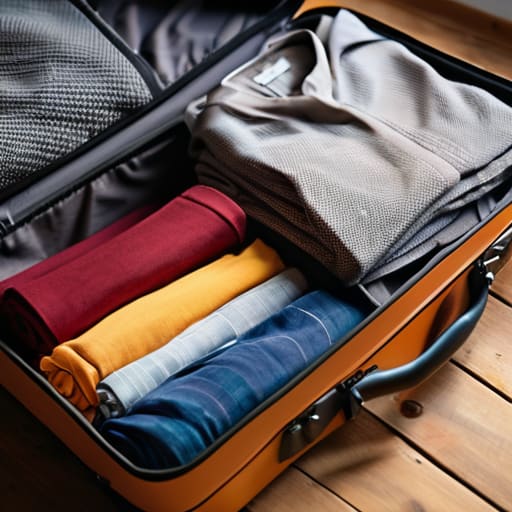
When I’m working on my latest terrarium—currently a lush little world I’ve named after Rachel Carson—I’m constantly reminded that even the most complex systems thrive on efficient resource management. Your suitcase is no different; it’s a closed-loop system where every cubic inch counts. To truly master space saving packing methods, I’ve moved away from the chaotic “toss and hope” approach. Instead, I treat my luggage like a carefully curated urban garden. I swear by the debate of rolling vs folding clothes; while folding offers a certain structural neatness, rolling your garments tightly creates much more breathing room and minimizes those stubborn wrinkles that seem to appear the moment you arrive.
If you want to take your efficiency to the next level, think of packing cubes for travel as the modular building blocks of your journey. These little organizers allow you to compartmentalize your belongings just as I would categorize different ecological zones in a landscape design. By grouping items—one cube for tops, another for essentials—you prevent your bag from becoming a disorganized wasteland. This structural approach doesn’t just save space; it creates a sense of resilient organization that makes unpacking feel less like a chore and more like a seamless transition into your new environment.
Maximizing Small Suitcase Space With Intentionality
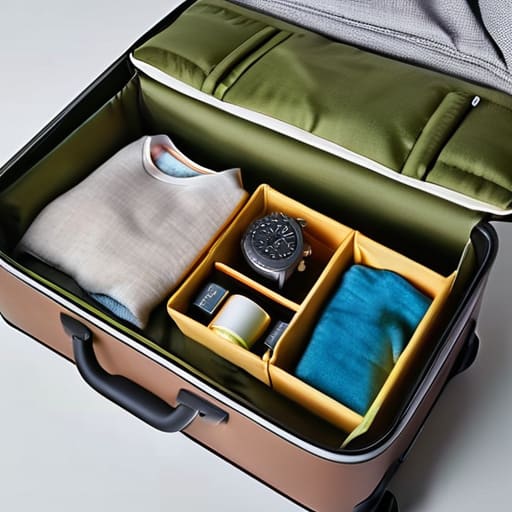
When I’m working on a new terrarium—let’s call this one ‘Rachel’ in honor of Carson—I spend hours contemplating how to fit a complex, thriving world into a tiny glass jar. I find that same philosophy applies to our luggage. Maximizing small suitcase space isn’t just about cramming items in; it’s about curating a miniature ecosystem where every piece has a purpose. Instead of seeing your bag as a void to be filled, view it as a finite habitat that requires careful zoning to maintain its internal balance.
To achieve this, I’ve found that utilizing packing cubes for travel is a total game-changer for maintaining order amidst the chaos of transit. These little modular compartments act like the different strata of a forest floor, keeping your layers organized and preventing a total collapse of your system when you dig for a clean shirt. I also swear by the debate of rolling vs folding clothes; while folding is traditional, rolling your garments creates a more compact, air-efficient density that mimics the way moss hugs a stone. By treating your belongings with this level of intentionality, you ensure your journey remains light, fluid, and remarkably resilient.
Cultivating Your Carry-On: 5 Principles for a High-Functioning Travel Ecosystem
- Curate a Capsule Wardrobe: Think of your clothing like a well-balanced terrarium; every piece must serve a vital function. Select a cohesive color palette and versatile layers so that every item can interact seamlessly with the others, minimizing the need for excess.
- Embrace the Art of Compression: Just as I use specialized substrates to create density in my miniature landscapes, use packing cubes to compress your soft goods. This isn’t just about saving space; it’s about organizing your micro-environment so you can find what you need without disrupting the entire system.
- Prioritize Multi-Purpose Tools: In urban planning, we value infrastructure that serves dual purposes. Apply this to your gear—a large scarf that doubles as a blanket, or a sturdy reusable bottle that serves as your hydration station. Efficiency is the heartbeat of resilience.
- Manage Your ‘Waste’ Stream: A sustainable traveler plans for the end-of-life of their supplies. Pack solid toiletries like shampoo bars to avoid liquid restrictions and minimize plastic waste, ensuring your footprint remains as light as possible as you move through new landscapes.
- Designate a Tech Sanctuary: Treat your electronics like delicate mosses that require specific conditions. Use a dedicated, padded organizer for cables and chargers to prevent tangling and damage, ensuring your digital tools are ready to help you navigate your journey the moment you arrive.
The Art of Traveling Lightly
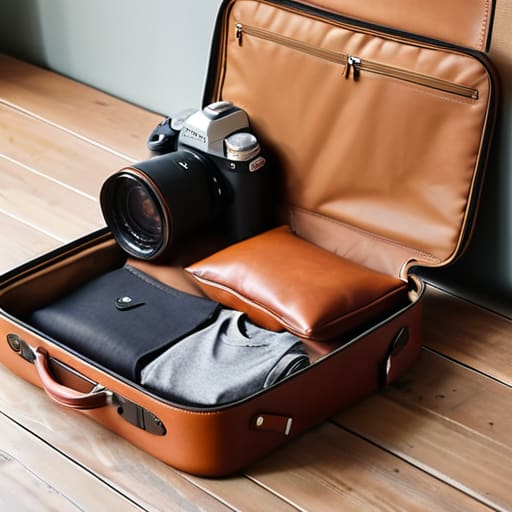
As we wrap up our deep dive into the mechanics of the carry-on, remember that efficient packing is much more than just a logistical puzzle; it is about intentionality. By mastering space-saving techniques and curating your belongings with the same precision I use when designing a resilient urban park, you transform a simple suitcase into a streamlined vessel for adventure. We have explored how to maximize every cubic inch and how to select items that serve multiple purposes, ensuring that your gear is as versatile as it is compact. When you approach your luggage with this level of care, you aren’t just saving space—you are minimizing your footprint and freeing yourself from the unnecessary weight of excess.
Ultimately, I want you to view your journey through the lens of a steward. Just as I tend to my miniature terrariums—like my latest balanced ecosystem, Gaia—to ensure they thrive without overwhelming their environment, I encourage you to move through the world with a sense of graceful lightness. Traveling with only a carry-on is a beautiful way to practice the art of living deeply while consuming less. It allows you to navigate airports, cobblestone streets, and transit hubs with an agility that mirrors the most sustainable cities I dream of building. Go forth, pack with purpose, and embrace the freedom that comes with carrying only what truly nourishes your soul.

Leave a Reply
You must be logged in to post a comment.