
I was hunched over my latest terrarium—a delicate little mossy world I’ve named after Rachel Carson—trying to balance the humidity levels, when my mind started racing with the sheer chaos of my latest urban planning project. It’s that familiar, tightening knot in the chest that hits when the city feels too loud and the deadlines
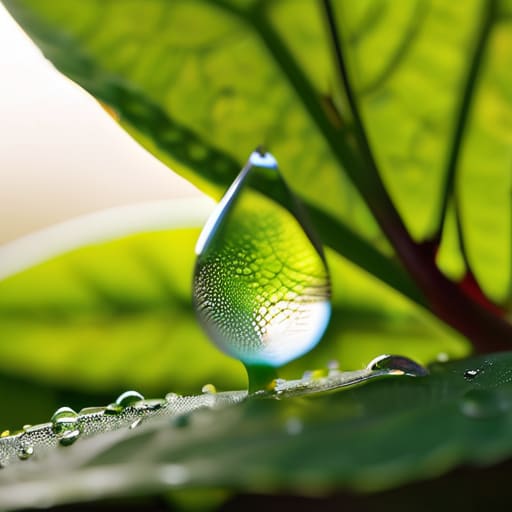
I was hunched over my latest terrarium, “Rachel,” trying to carefully adjust a stray piece of moss, when the sudden, sharp clack of a loose floorboard in my studio sent a jolt of irritation straight through my spine. It was such a tiny, rhythmic imperfection, yet it felt like a crack in the foundation of
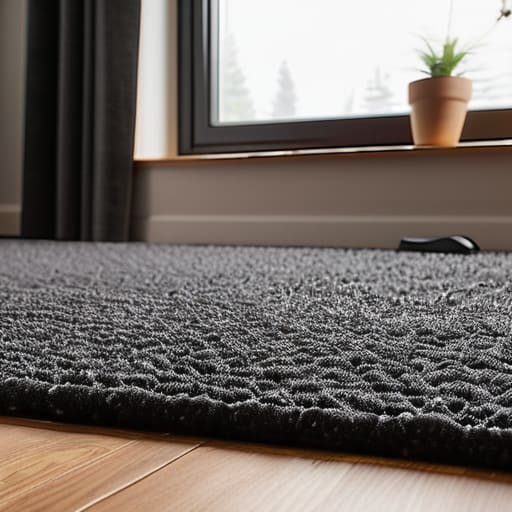
I was sitting in my studio last Tuesday, trying to focus on a new site plan, when the rhythmic, thumping bass from my neighbor’s party started vibrating through my floorboards like a seismic event. It’s a common misconception that you need to tear down your drywall and invest thousands in industrial-grade acoustic foam to find
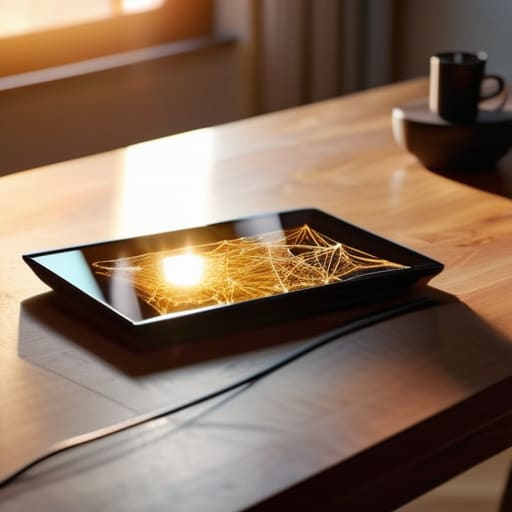
I was hunched over my workbench yesterday, carefully misting “Rachel,” my newest closed-loop moss terrarium, when I realized how much our digital lives mirror our physical ones. We’ve been conditioned to believe that for any meaningful connection to occur, we need to build these massive, heavy structures—think of them as digital skyscrapers that hog all

I was hunched over my latest project, “Rachel Carson,” a delicate moss terrarium that had just reached its first stage of ecological equilibrium, when it hit me: my digital life was looking suspiciously like a monoculture. I realized that the same logic used to design sterile, efficient urban grids was being applied to my social

I was hunched over my latest terrarium—a delicate little ecosystem I’ve named after Rachel Carson—trying to balance the moisture levels, when I realized I hadn’t spoken to a single soul in three days. The silence in my studio felt heavy, almost sterile, much like a concrete plaza stripped of its shade and life. We often

I was hunched over my latest terrarium, “Rachel,” meticulously adjusting a piece of driftwood to ensure the airflow was just right, when I realized how much my hobby mirrors our digital lives. People often think that managing a massive online community requires some sort of heavy-handed, industrial-grade iron fist, but that’s a total myth. In

I was sitting in my studio yesterday, carefully misting “Rachel Carson”—my most delicate moss terrarium—when I realized how much our digital lives resemble these fragile glass ecosystems. We often treat our private conversations like open fields, completely exposed to the elements, when they should be more like a protected sanctuary. There is this exhausting, high-tech

I was hunched over my workbench last night, carefully adjusting a layer of activated charcoal in a new terrarium I’ve named after Rachel Carson, when I realized how much our digital ecosystems mirror my glass jars. If you leave a single element out of balance—a bit too much moisture or a lack of airflow—the whole
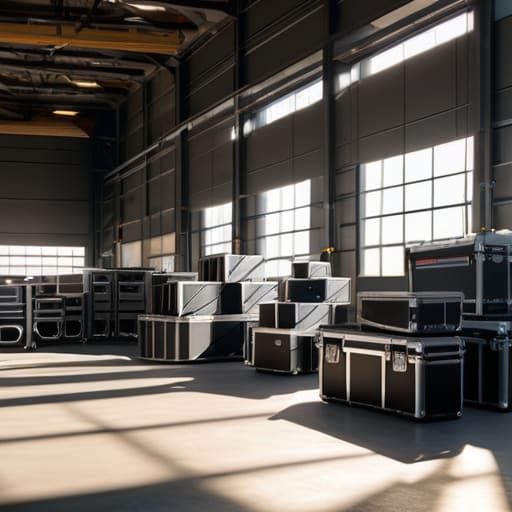
I remember standing in the middle of a chaotic site office during my first major urban redevelopment project, surrounded by the deafening clatter of misplaced tools and the frantic searching for specialized equipment. It felt less like a professional workspace and more like a fragmented ecosystem on the verge of collapse. I realized then that