A No-nonsense Guide to Soundproofing Your Space Without Breaking the Bank or Falling for Hype
I was sitting in my studio last Tuesday, trying to focus on a new site plan, when the rhythmic, thumping bass from my neighbor’s party started vibrating through my floorboards like a seismic event. It’s a common misconception that you need to tear down your drywall and invest thousands in industrial-grade acoustic foam to find some peace; honestly, that’s just not how we build resilient spaces. When I was first learning about urban density back at Berkeley, I realized that silence isn’t a luxury item you buy—it’s an ecosystem you cultivate. If you’ve been searching for how to soundproof a room on a budget, you’re likely feeling the frustration of hearing every passing car or loud conversation, but the truth is that we can achieve incredible acoustic dampening using much smarter, more organic methods.
In this guide, I’m stripping away the high-priced marketing hype to show you how to treat your room like one of my miniature terrariums: by layering materials to create a balanced, protective environment. We are going to explore how to use repurposed textiles, strategic furniture placement, and clever DIY sealing techniques to dampen noise without draining your bank account. I promise you no expensive gimmicks—just practical, earth-friendly, and low-impact solutions that will help you reclaim your sanctuary.
Guide Overview
Tools & Supplies
- Measuring tape for calculating window and door dimensions
- Utility knife for cutting foam or weatherstripping
- Screwdriver for securing mounting hardware
- Weatherstripping rolls for sealing door and window gaps
- Heavy blackout curtains for covering windows
- Acoustic foam panels (6-12 pack) for wall dampening
- Door draft stopper for blocking under-door air gaps
Step-by-Step Instructions
- 1. First, we need to perform an “ecological audit” of your space to find the leaks. Sound, much like an invasive species, will always find the path of least resistance. Walk around your room with a flashlight during the day and look for light peeking through door frames or window sills; where light gets in, sound waves follow. Identify these gaps first, because there’s no point in adding heavy layers if the “nutrients” of noise are still seeping through the cracks.
- 2. Tackle those air gaps using weatherstripping or heavy-duty door sweeps. Think of this as creating a resilient perimeter for your sanctuary. You don’t need expensive, high-tech industrial seals; simple, adhesive rubber strips from a local hardware store work wonders. If you’re on a strict budget, even a tightly rolled-up towel placed at the base of a door—what I like to call a “draft snake”—can significantly dampen the entry of hallway chatter.
- 3. Next, let’s address the windows, which are often the most vulnerable points in our urban ecosystems. Instead of investing in custom-built acoustic glass, opt for heavyweight blackout curtains. Look for materials that feel dense and substantial; these act as a soft buffer, absorbing the vibrations from street traffic just like a thick moss layer absorbs moisture in a forest. The more folds and pleats in the fabric, the better they will break up the sound waves.
- 4. Now, we move to the walls, which can often act like a drum skin, vibrating with every passing truck. To fix this without a construction crew, we need to add “mass” through decor. This is where your personal style meets functionality. Hanging a thick, hand-woven tapestry or even a collection of framed canvas art can help break up the flat, reflective surfaces that cause echoes. It’s about turning your walls into a textured landscape rather than a sterile, echoing canyon.
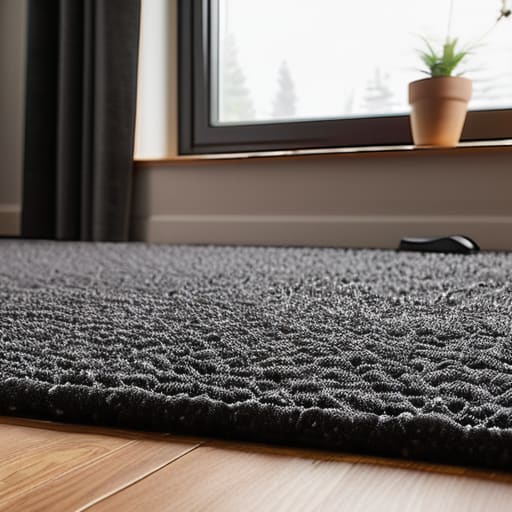
- 5. Don’t forget the floor—the foundation of your indoor environment. If you have hardwood or tile, sound is likely bouncing wildly around your room. I recommend layering rugs like you would layer organic matter in a new terrarium. Start with a thick jute or sisal rug, and if you can, tuck a recycled felt underlay beneath it. This creates a multi-layered defense system that mutes the impact of footsteps and prevents sound from bouncing off the hard ground.
- 6. Finally, let’s use furniture as a strategic way to disrupt sound paths. A bookshelf filled with books is one of the most effective, low-cost acoustic diffusers known to man. Place a large, well-stocked bookcase against the wall that shares a space with your noisy neighbor. The varying depths and densities of the books act as a natural sound barrier, scattering and absorbing the energy before it can penetrate your quiet zone.
Nurturing Sanctuary With Diy Soundproofing Blankets

As you begin layering these elements to dampen the chaos of the outside world, I often find that the most successful transformations come from understanding the specific vibrational needs of your unique space. It isn’t just about slapping foam on a wall; it’s about observing how sound travels through your specific environment, much like how I monitor the humidity levels in my latest terrarium, ‘Rachel Carson,’ to ensure her mosses truly thrive. If you’re feeling a bit overwhelmed by the technical side of acoustic layouts, I highly recommend taking a moment to see for yourself how certain structural shifts can make a massive difference. Finding that perfect equilibrium between functional design and sensory peace is a journey, but once you hit that sweet spot, your room will feel less like a box and more like a living, breathing sanctuary.
If you’re looking to soften the edges of a noisy space without the hefty price tag of professional studio gear, think of DIY soundproofing blankets as the heavy-duty moss of your acoustic ecosystem. Much like how I layer organic matter in my latest terrarium—which I’ve affectionately named ‘Rachel’ after Carson—to maintain humidity, you can use thick, dense textiles to absorb wandering sound waves. Instead of reaching for expensive, specialized panels, try repurposing heavy moving blankets or thick velvet curtains. These act as incredible sound dampening materials for renters because they are non-permanent, easily adjustable, and remarkably effective at catching those sharp, bouncing frequencies before they disrupt your peace.
To truly master the art of quiet, don’t just hang them anywhere; placement is everything. If you notice a particular corner feels particularly “live” or bouncy, draping a heavy fabric there can be a game-changer for reducing echo in small rooms. I like to view this as creating a soft buffer zone, much like a windbreak in a coastal garden. By strategically layering these fabrics near windows or against shared walls, you’re essentially building a resilient acoustic shield that honors both your budget and your need for a tranquil sanctuary.
Finding Cheap Acoustic Foam Alternatives for Resilient Spaces
Now, I know what you’re thinking—those professional acoustic foam panels look sleek, but they can definitely drain your wallet faster than a sudden storm surge. If you’re looking for cheap acoustic foam alternatives, think like a landscape architect: look to the textures around you. Soft, uneven surfaces are your best friends when it comes to reducing echo in small rooms. Instead of pricey foam, consider using thick, decorative tapestries or even hanging heavy felt art pieces on your walls. Much like how I layer moss and bark in my latest terrarium, “Gaia” (that’s my newest ecological masterpiece, by the way), these layered textures break up sound waves and prevent them from bouncing harshly off flat, sterile surfaces.
If your struggle isn’t just about echoes but actually trying to stop sound from traveling between rooms, we need to look at the gaps. For those of us navigating temporary living situations, finding sound dampening materials for renters is all about non-permanent solutions. A simple trick is to focus on the “leaks”—the cracks under doors or around window frames. Implementing some basic soundproofing door seals DIY using weatherstripping or even heavy fabric rolls can make a massive difference in how much noise bleeds through your sanctuary.
Sealing the Leaks: Small Interventions for a Resilient Acoustic Ecosystem
- Treat your door seals like a delicate shoreline; even a tiny gap can let in a flood of noise. Using inexpensive weatherstripping or even a heavy, repurposed fabric “draft stopper” at the base of the door can significantly dampen the intrusion of sound waves.
- Think of your walls as living membranes that need density to stay quiet. If you’re on a tight budget, strategically placing large, heavy bookshelves filled with books against a shared wall acts as a beautiful, organic mass that absorbs vibrations much like a dense forest buffer.
- Don’t overlook the “floor-to-ceiling” connection. Layering rugs—perhaps a mix of vintage finds and sustainable jute—creates a multi-layered substrate that prevents sound from bouncing off hard surfaces, much like how leaf litter softens the forest floor.
- Windows are often the most vulnerable points in our urban habitats. Instead of expensive double-glazing, try hanging thick, velvet-style curtains or even repurposed heavy textiles; these act as acoustic filters, catching noise before it can penetrate your inner sanctuary.
- Embrace the power of soft geometry. Scatter pillows, plush seating, or even hanging macramé art around the room to break up flat, reflective surfaces. By introducing these varied textures, you’re essentially creating “micro-habitats” for sound to get lost in, rather than letting it echo unchecked.
Cultivating Your Personal Acoustic Ecosystem
As we wrap up this journey into the art of budget-friendly soundproofing, remember that creating a quiet sanctuary doesn’t require a massive industrial overhaul or a mountain of non-recyclable waste. By layering repurposed textiles like DIY blankets and exploring clever, low-impact alternatives to traditional acoustic foam, you are essentially building a resilient buffer against the chaotic noise of the outside world. Whether you’re sealing those pesky air gaps or strategically placing soft surfaces to catch rogue sound waves, each small, intentional choice contributes to a more balanced and tranquil environment. It’s all about finding that delicate equilibrium between your physical space and the auditory peace you deserve.
Ultimately, soundproofing is more than just a technical DIY project; it is an act of stewardship over your own well-being and your immediate surroundings. Just as I carefully balance the humidity and light in my latest terrarium, “Gaia,” to ensure her miniature ecosystem thrives, you are designing a micro-climate of calm within your home. Don’t let the constraints of a budget dampen your creativity or your passion for sustainable living. I truly believe that when we approach our homes with mindful intention, we transform mere rooms into restorative havens. Go forth and craft your sanctuary—the world is loud enough, but your space can be a beautiful, quiet testament to balance.

Leave a Reply
You must be logged in to post a comment.