
The Science Behind Why People Commit Crimes
Thinking about human behavior makes me wonder: what makes someone commit a crime? The word ‘crime’ brings up images of chaos and fear. But each crime has a story behind it, often lost in judgment and misunderstanding.
To really understand crime & society, we need to look at the reasons behind it. This is what forensic psychology teaches us. It shows that crime isn’t just about bad choices or morals. It’s a mix of psychological, social, and biological factors.
For example, being poor can make someone more likely to commit a crime. This is because people from lower-income backgrounds face more risks. Every year, millions of violent crimes happen, showing how urgent it is to understand why.
This journey into understanding humanity shows we must tackle the root causes of crime. We can’t just deal with the symptoms that show up too often in our society.
As we explore the psychology of crime, let’s think about the stories we often miss. These are tales of tough childhoods, mental health issues, and unfair social systems. By understanding why people turn to crime, we can build a society based on empathy and understanding, not just punishment.
Key Takeaways
- Understanding the motivations behind criminal behavior is key for society.
- Hard times in childhood can lead to more crimes later on.
- Money and social status also play big roles in crime.
- Many people in jail struggle with mental health or addiction.
- Investing in education can really cut down on crime.
- Forensic psychology helps us see how many factors lead to crime.
Understanding the Complex Web of Causes
Criminal behavior comes from many factors. These include biological, psychological, and social elements. It’s fascinating how these layers mix to show us why crime happens. Understanding biological risk factors is key to grasping why some people might act out.
Biological Risk Factors Influencing Criminal Behavior
Studies show genetics and brain chemistry play big roles in criminal behavior. For example, problems in the brain and hormone imbalances can lead to crime. These physical factors, along with life experiences and society, create a complex picture of behavior.
The Role of Adverse Childhood Experiences
Adverse childhood experiences greatly shape future behavior. Research links childhood trauma to criminal behavior later in life. For example, kids who were abused are more likely to become violent or criminal adults. Up to 80% of male prisoners say they were abused as kids, showing the lasting effects of such experiences.
Impact of Negative Social Environments
Negative social environments contribute to crime, often in poor areas. Poverty and crime are linked; poor communities have more crime due to lack of opportunities and hopelessness. These areas often have a culture where crime is seen as normal, affecting kids and teens.
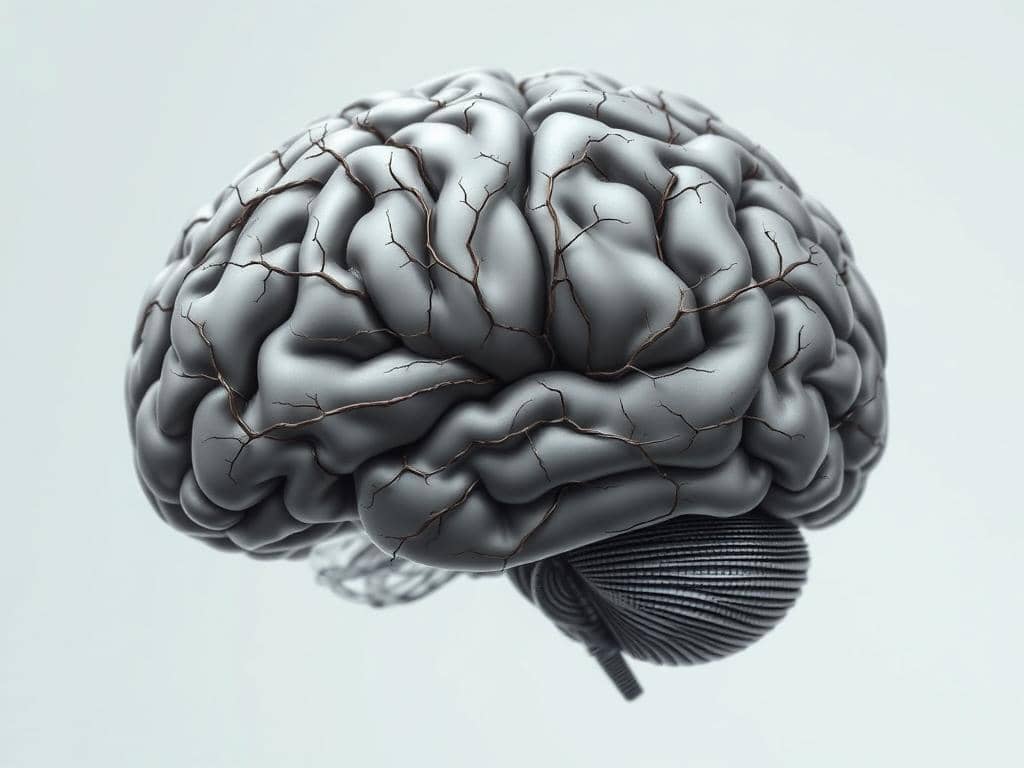
Crime & Society: The Interplay of Psychological and Social Elements
Understanding the link between psychological motives and social dynamics is key to tackling crime. Psychological reasons for crime often include impulse control issues, personality disorders, and moral development gaps. These factors can lead to different criminal behaviors, affecting choices and actions.
Mental health and crime are closely linked. Severe disorders and traits like low empathy can push someone towards illegal acts. This shows how mental health impacts criminal behavior.
Culture also shapes criminal behavior. Societal values and norms can either discourage or encourage crime, depending on the culture. This is seen in subcultures where crime is seen as a way to gain status. The culture we grow up in greatly influences our actions, presenting both challenges and opportunities in crime prevention.
Peer pressure is another big factor in crime. Being around delinquent peers can make someone more likely to commit a crime. Building positive social circles can help prevent crime and encourage personal responsibility. To tackle crime effectively, we must understand the role of psychological motives, cultural influences, and peer relationships in crime prevention and rehabilitation.

Leave a Reply
You must be logged in to post a comment.