Dark Mode UI: Why It’s More Than Just a Trend
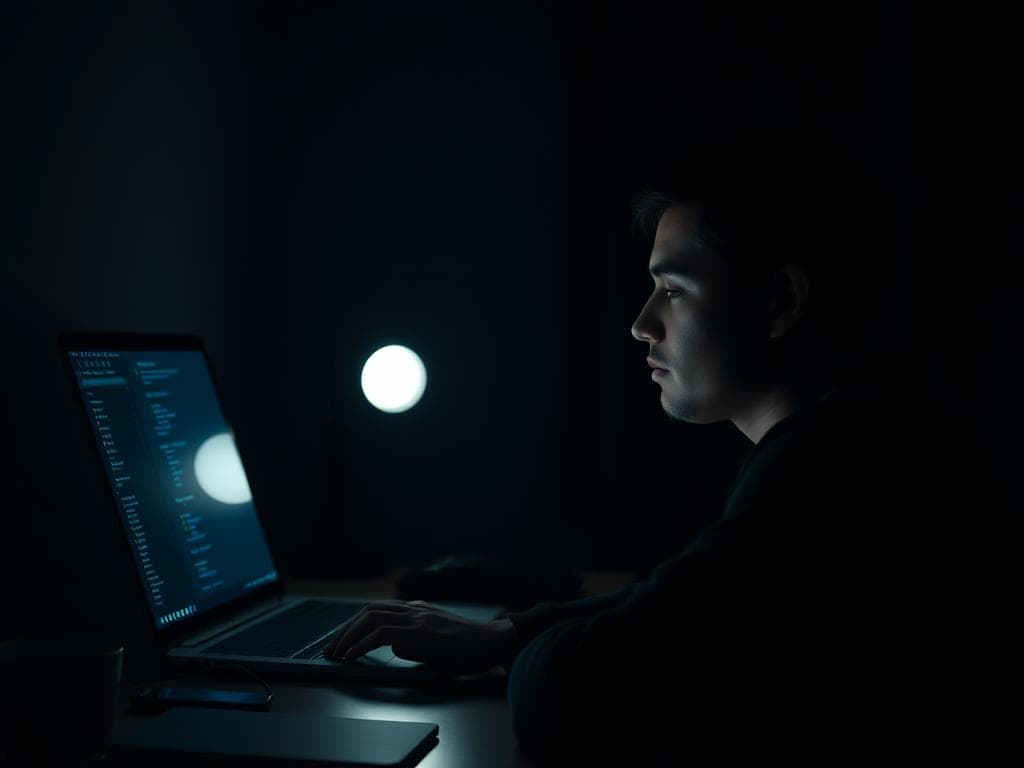
In my living room, as night falls, my phone’s screen changes. Dark Mode makes it easier on my eyes. It’s not just about looks; it’s a big change in how we use tech.
What began as a need for late-night users has become a trend. Big names like Apple and Google now support it. This shows how Dark Mode has become key in our digital lives, making things more comfortable, even in the dark.
Looking into Dark Mode UI, we see it’s changing how we use technology. It’s making our daily interactions better. This trend is reshaping our tech use and bringing real benefits to our lives.
Key Takeaways
- Dark Mode UI reduces eye strain, specially in low-light settings.
- This design choice also saves battery life on OLED screens.
- Big companies now support it, showing its importance in digital design.
- Dark Mode is seen as luxurious and sophisticated.
- It helps users with visual issues too.
- Adaptive interfaces will likely become more popular, thanks to user demand.
- Dark Mode can make apps more engaging with its unique look.
Understanding Dark Mode UI and Its Significance
The rise of Dark Mode UI has changed how we use technology. It has grown from simple displays to advanced interfaces that focus on comfort and ease. As we spend more time on screens, more people see the benefits of this darker look.
The Evolution of Dark Mode
Dark Mode started as a simple option and has become a key feature in big tech systems. Brands like Google and Apple have added it to their platforms. This shows a big change in what users want and how we see visual design.
Dark Mode offers better contrast and less glare. It’s not just about looks; it’s also practical. It makes screens easier to use in different places.
Cultural and Environmental Impact
Dark Mode is more than just a look; it affects culture and the environment. It helps save energy, which is important in places where power is scarce. Using Dark Mode can make devices last longer, which is good for the planet.
Dark Mode also makes screens easier to read. It helps people with vision problems or those who get headaches from bright lights. It shows how design can meet health needs and personal style.
As I look deeper, Dark Mode is more than a trend. It’s a big change in how we design screens. It meets today’s needs for comfort and function.
Dark Mode UI: Benefits and Challenges
Dark Mode UI is a popular choice for many users today. It reduces eye strain and makes devices more comfortable, even in low light. The dark look is also appealing and reduces glare, making it great for long use.
Reducing Eye Strain and Enhancing Comfort
Dark Mode helps a lot with eye strain, which is common in dim places. About 80% of users say they feel less tired using dark apps. This makes it easier to focus and enjoy content for longer.
Energy Efficiency and Battery Conservation
For devices with OLED screens, Dark Mode can save up to 60% of battery life. This is because dark pixels use less power. It’s a big win for mobile users, helping devices last longer.
Accessibility Considerations in Dark Mode
Even with its benefits, Dark Mode can be hard for some people to use. Around 7-10% of the population has trouble with dark backgrounds. Designers must make sure everyone can use dark modes easily, including those with vision problems.
Visual Appeal and User Engagement
Dark Mode looks great and helps users stay focused. Studies show a 30% boost in focus with dark interfaces. This design is now used in about 50% of mobile apps, showing its appeal and importance.
Conclusion
Looking back, Dark Mode UI is more than a trend. It marks a key moment in design that puts users first. Big tech names like Apple, Google, and Microsoft are leading this change. They focus on making things easier and more comfortable for us.
About 70% of users like apps that offer dark mode. They enjoy how it looks and how it helps their eyes, even in dim light. This shows a big shift towards making things better for us.
The future of Dark Mode looks bright, shaping how we design things. But, we must tackle the challenges it brings. This includes making sure it works for everyone, not just some.
By letting users choose between light and dark, we meet different needs. This helps about 10-15% of people and makes things more fun for everyone. Slowly, we’re seeing more people using these features, showing how important good design is.
In the end, I see dark mode becoming a key part of digital design. It will help make things more welcoming and considerate of everyone’s needs. As we move forward, making sure our designs fit all kinds of users will be key.

Leave a Reply
You must be logged in to post a comment.