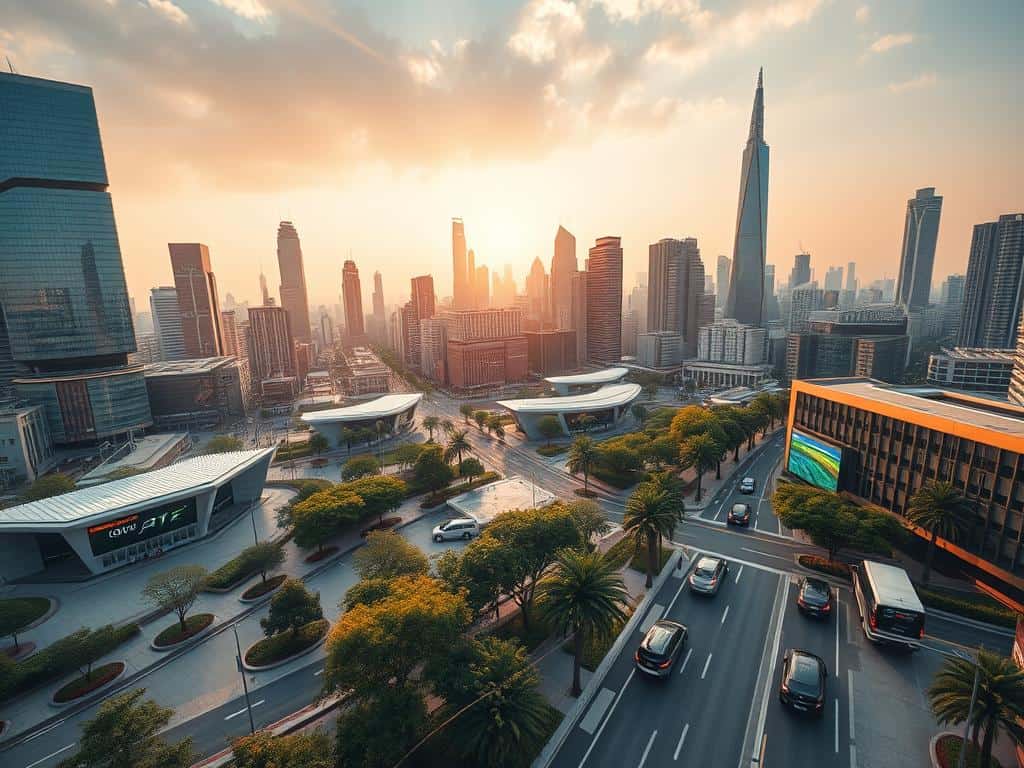
How Smart Cities Are Redefining Urban Design
As I walk through my city, I feel both excitement and worry. Every corner holds new chances, but urban life’s big challenges are always there. With more people moving to cities—55% now, set to hit 70% by 2050—old urban designs won’t cut it anymore.
This shift towards Smart Cities is a big change. It brings new tech-driven spaces that are efficient, green, and better for living. These changes aren’t just about making life easier; they’re about making our cities safer, stronger, and welcoming to everyone. As I explore my city, I think about how tech will change our surroundings and how we interact with them.
Key Takeaways
- About 55% of the global population lives in urban areas, projected to reach 70% by 2050.
- Smart city initiatives focus on efficiency, sustainability, and security, benefiting urban residents.
- Technology, including IoT and AI, plays a critical role in transforming our urban landscapes.
- Urban planners are encouraged to adopt a “people-first” approach in city design.
- Smart cities aim to promote fairness and equity, benefiting marginalized groups.
Understanding the Concept of Smart Cities
Smart cities use technology to make urban life better. They connect devices through the Internet of Things (IoT). This creates a network for efficient data collection and monitoring.
This change happens in areas like transportation and energy. It makes cities more sustainable and efficient. I find it amazing how these innovations solve old problems in new ways.
The Role of Technology in Urban Development
Technology is key in making cities smarter. The IoT connects infrastructure and services, making them smarter and more responsive. For instance, IoT helps manage waste by optimizing collection routes with real-time data.
This use of technology improves service delivery and supports sustainability. It reduces waste and emissions. I love seeing cities use these tools to make their ecosystems more efficient.
Key Components of Smart Cities
Smart infrastructure is a vital part of smart cities. It includes systems that monitor and maintain essential services. For example, traffic management uses real-time data to improve traffic flow.
Energy-efficient lighting adjusts based on usage patterns. The use of renewable energy, like solar power, shows a commitment to sustainability. As cities grow, these elements will be essential for a better urban future.
Smart Cities & Urban Design: Transforming Urban Landscapes
In recent years, smart cities have changed urban landscapes a lot. They use new ways to build infrastructure, making cities better and more efficient. These cities use advanced technology to meet the needs of their people.
These changes affect our daily lives. They show how cities are planning for a greener future.
Impact on Infrastructure
Smart cities use the Internet of Things (IoT) to change infrastructure. They use 5G technology for fast and reliable connections. This lets devices talk to each other easily.
For example, smart traffic systems use data to reduce traffic jams. This makes moving around cities better. It helps city leaders make smart choices with the help of technology.
Environmental Sustainability Initiatives
Keeping the environment clean is key for cities today. IoT systems track air and climate conditions in real-time. This helps cities take action to clean the air and reduce pollution.
Smart grids also help by using energy wisely. This cuts down on waste and keeps the power on. It’s great to see cities using tech to solve these big problems.
Community Engagement and Inclusivity
Getting people involved is important for smart cities. Digital platforms let residents join in on city planning. This makes cities more open and fair.
Cities like Pune and Rio de Janeiro are good examples. They make sure everyone has a say in how the city grows. This builds strong communities and ensures cities are good for everyone.
Conclusion
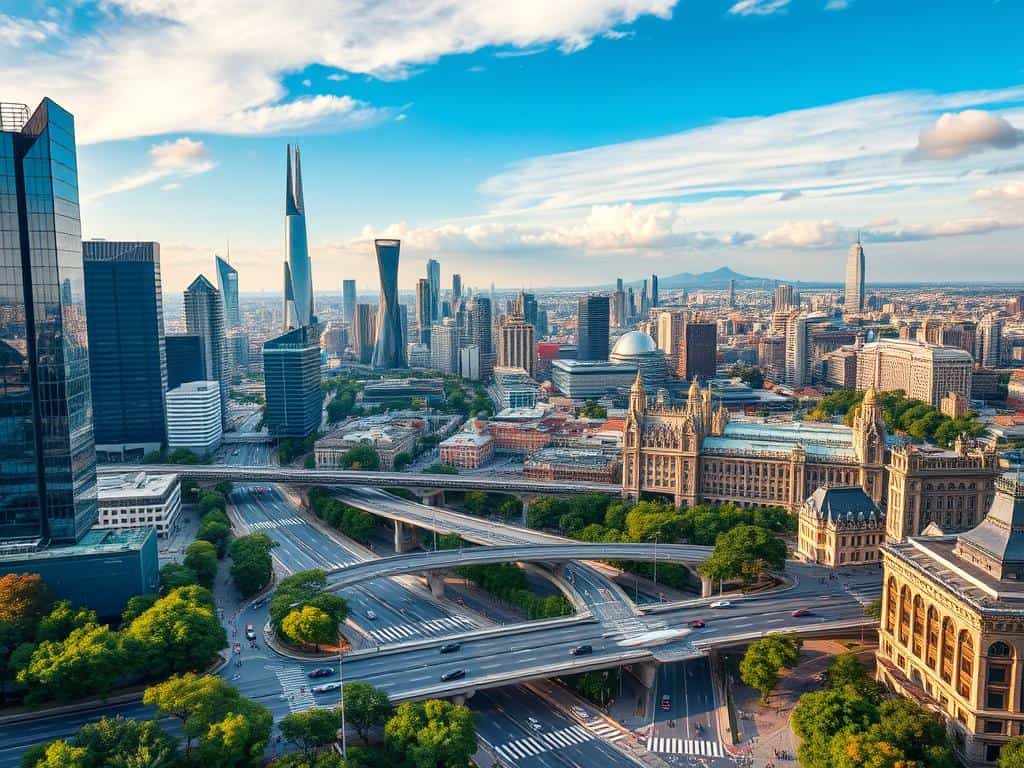
Smart cities are more than a trend; they’re a new way of living. Technology has changed how we see our cities, making them better and stronger. The work of city planners, tech creators, and community members is key to solving urban problems.
Government support, like in the UK, shows the value of smart cities. They help save money, reduce pollution, and improve traffic. These changes help the local economy and make life better for everyone.
Looking to the future, we need everyone to help shape our cities. Learning from other places and involving all citizens is important. Smart tech is vital for cities that face challenges and value sustainability and inclusivity.

Leave a Reply
You must be logged in to post a comment.