Spatial Computing: The Next UX Revolution?
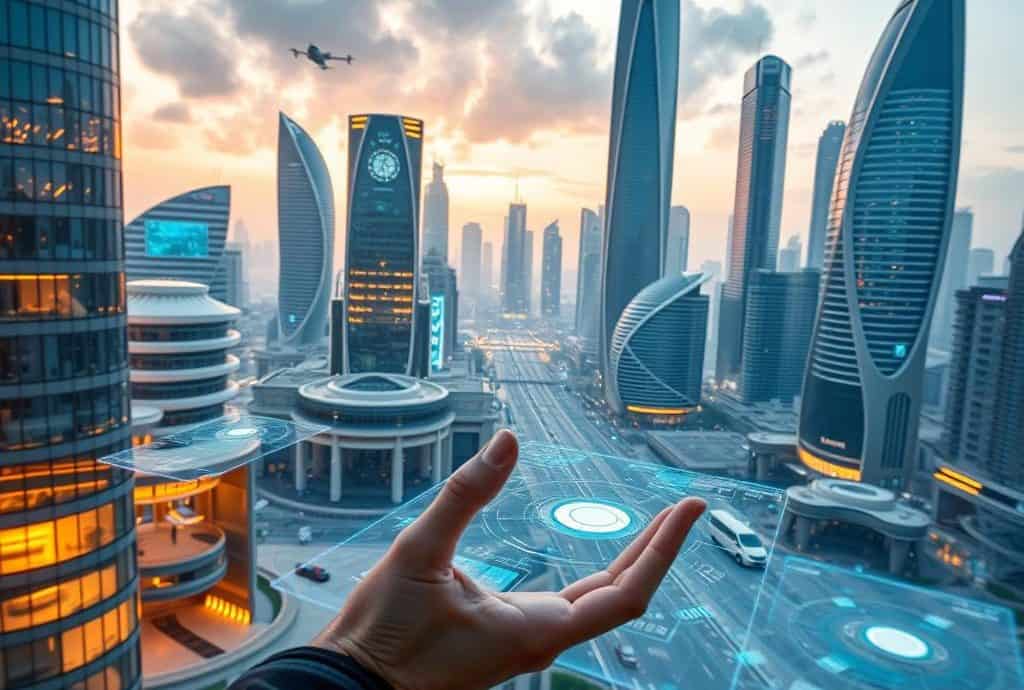
Did you know the market for spatial computing is set to grow over 500% by 2032? This huge growth shows a future filled with new tech and a big change in how we use digital and real worlds. We’re at a key moment where augmented reality (AR), virtual reality (VR), and mixed reality (MR) come together. This change is more than just an update; it’s a big shift in Spatial Computing UX that makes user interaction more meaningful.
We’re moving from old, flat screens to full 3D experiences. The Apple Vision Pro’s launch has made people more aware of this tech. It’s now being used in healthcare and manufacturing to improve things. This means our future interactions will be more than just seeing things; they’ll involve all our senses. Let’s explore how we’ll communicate and interact in this new metaverse UX.
Key Takeaways
- Spatial computing merges digital and physical experiences, making user interaction better.
- The tech is helping industries like healthcare and manufacturing grow fast.
- Using natural gestures and all our senses is key to good user experiences.
- Market growth is expected to exceed 500%, showing the need for new Spatial Computing UX ideas.
- AR, VR, and MR can make user experiences more natural and engaging.
Understanding Spatial Computing and Its Impact on User Experience
Spatial Computing blends the physical and digital worlds. It offers a new way to improve user experience design. Technologies like AR, VR, and mixed reality are key in creating these immersive spaces. They change how we interact with digital content.
The Definition of Spatial Computing
Spatial Computing merges physical and digital experiences. It creates a seamless, immersive space. Users can interact with digital info in a natural way, without screens.
This shift is important. It meets the need for more engaging and dynamic experiences.
Key Technologies in Spatial Computing: AR, VR, and Mixed Reality
AR, VR, and mixed reality have changed how we interact. Apple’s Vision Pro is a big step forward in Spatial Computing. It shows the power of immersive experiences.
Now, microinteractions replace old ways of interacting. Gestures and movements are key in design.
The Evolution of User Interaction: From 2D to 3D
The move from 2D to 3D design changes everything. Tools like ProtoPie and Unity are vital. They help create realistic, interactive prototypes for testing and improvement.
This shift brings new design approaches. It opens a new era in creating interfaces for spatial computing.
Spatial Computing UX: Designing for a New Era
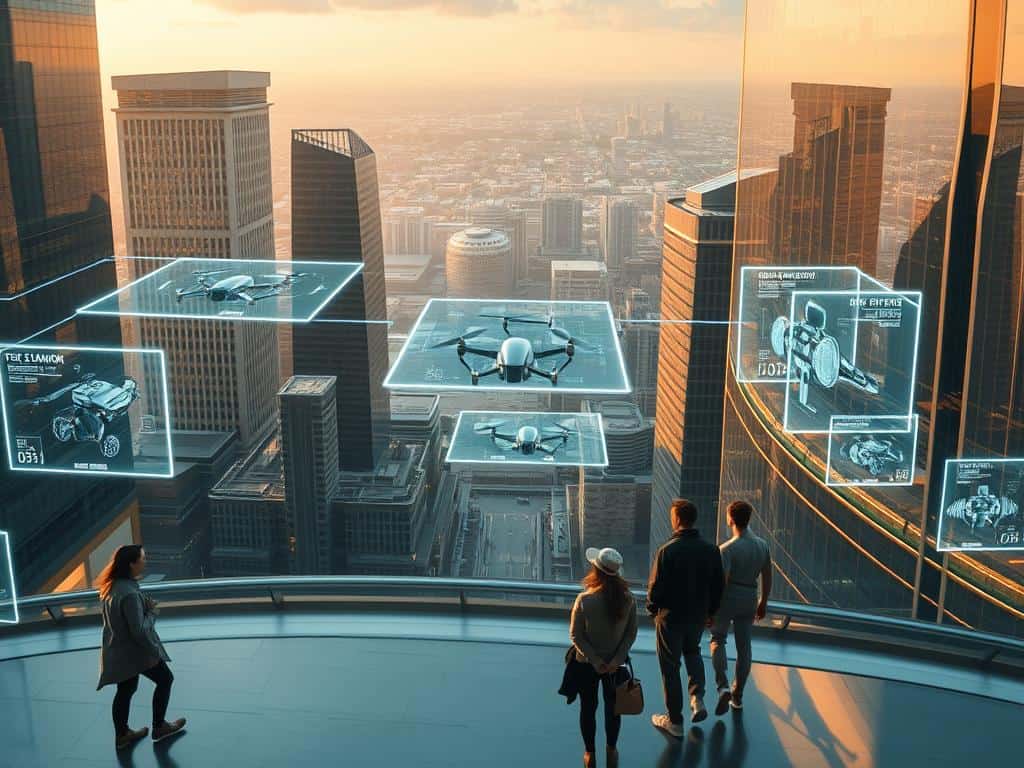
We’re stepping into a new world of user interaction with Spatial Computing UX. It requires a careful approach that uses natural gestures and multisensory experiences. We also face challenges in designing for this emerging technology.
Creating Intuitive Interactions Through Natural Gesture Recognition
Gestures are key to making interactions in spatial computing smooth. They let users control their environment with natural movements. This shift makes the experience more natural and seamless.
More people are using voice commands, showing a preference for organic interactions. This trend is expected to grow by 50% in the next five years.
Engaging the Senses: Multisensory Experiences in Design
Designing experiences that engage multiple senses is vital in spatial computing. By combining sight, sound, and touch, we create deeper connections. This approach is backed by 70% of users who see spatial computing as a game-changer.
Exploring creative solutions that cater to different senses is ongoing. It’s about meeting various user needs.
Challenges Faced by UX Designers in this New Landscape
Designing for spatial computing comes with its own set of challenges. Limited resources and hardware issues make it hard to access. Privacy concerns also grow as the digital and physical worlds merge.
Designers must adopt new, immersive, and natural interaction methods. They need to consider spatial context, depth perception, and user comfort. Specialized training in spatial computing design is seen as urgent by 60% of designers.
Conclusion
Reflecting on spatial computing, it’s clear this field will change how we use technology. The move towards more immersive experiences, thanks to AR, VR, and MR, shows a need for better user experiences. This shift is driven by a deeper understanding of what users want and need.
User-centered design is key in spatial computing. It makes sure each interaction fits the user’s style and ability. By using natural gestures, spatial audio, haptic feedback, and ergonomic design, we make these experiences better and more accessible. This approach helps solve issues like too much information, privacy worries, and hardware problems.
The future of spatial computing depends on ongoing innovation and adaptation. Testing and quick prototyping help improve these immersive experiences. Companies must also handle ethical issues and use data responsibly. The future of spatial computing is bright, as long as we keep improving UX design and focus on user needs.

Leave a Reply
You must be logged in to post a comment.