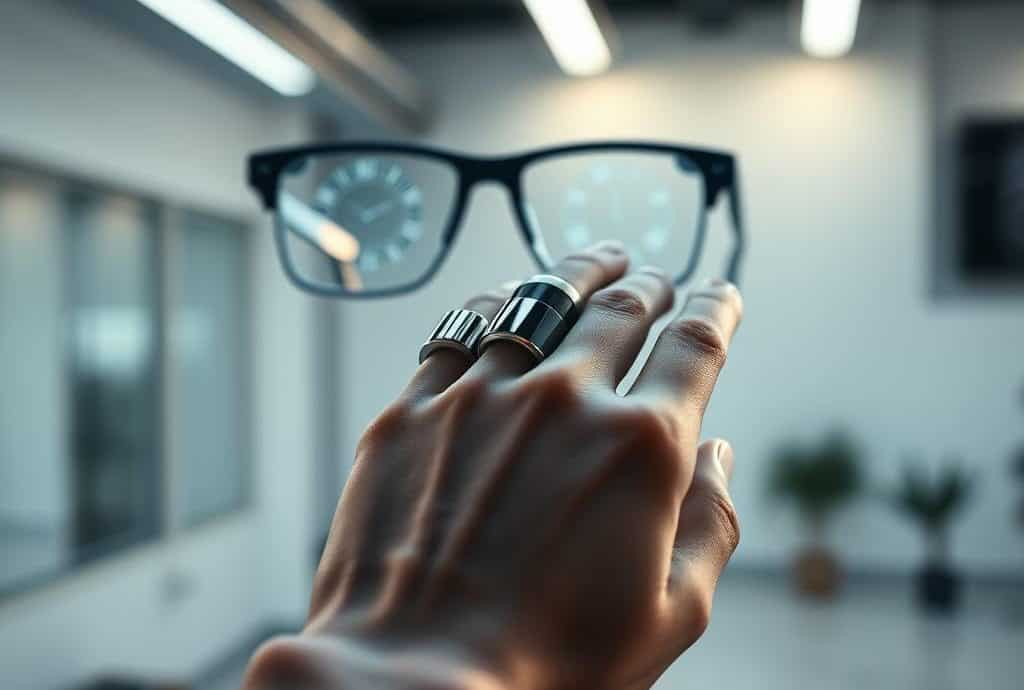
The UX Challenges of Smart Glasses, Rings & More
Did you know the wearable tech market is growing fast? It’s expected to grow over 20% each year. By 2028, it could hit more than 150 billion EUR. Wearable devices like smart glasses, rings, and augmented reality gadgets are becoming a big part of our lives. But, they also bring unique challenges for designers.
As wearable tech becomes more common, how we interact with it needs to change. Smart glasses and rings have small screens, making it hard to use complex interfaces. Designers must find new ways to make these devices easy to use. Also, privacy and data ethics are key, as users want to know their data is safe.
This article dives into the challenges of making wearable devices better. It’s all about finding the right mix of function, looks, and trust from users.
Key Takeaways
- The wearable technology market is anticipated to grow significantly, reaching up to 150 billion EUR by 2028.
- Smart glasses are projected to capture 15% of the wearable market by 2026, thanks to advancements in augmented reality.
- Designers face the challenge of creating intuitive interfaces on devices with limited screen space.
- User privacy and data ethics are critical considerations in the development of wearable technology.
- There is a growing expectation for wearables to integrate seamlessly with existing smart ecosystems.
The Rise of Wearable Tech and Its Impact on UX
The world of wearable technology has changed a lot. It’s now a big part of our daily lives. Smartwatches and fitness trackers are everywhere, showing how much we need them.
As the wearable technology market growth keeps going up, what people want has changed too. They want more than just to work. They want a full experience that fits into their lives easily.
Growth of the Wearable Technology Market
The wearable tech market is growing fast. This is because people want smart technology more and more. Advances in AI, health tracking, and augmented reality are driving this growth.
Good user experience is key. It means easy-to-use interfaces and features that work well. This makes users happy and keeps them coming back for more.
Consumer Expectations for Wearable Devices
Now, people want more from their wearables. They want them to be personal, easy to use, and smart. Features like voice commands and gestures help everyone, including those with disabilities.
Biometric sensors are important for health tracking. They show how much users value their health. Sharing data in real-time and new ways to interact meet these consumer expectations. This pushes brands to keep innovating.
Wearable Tech UX: Navigating the Unique Challenges
Creating great user experiences for smart devices is tough. It’s because of the many types of devices and how people use them. Making interfaces that work well for all these needs is key to good usability.
Diverse Range of Device Functionality
Wearables like fitness trackers, smartwatches, and smart glasses do different things. They need special interfaces that let users easily use all their features. For example, smartwatches have small screens, so they must show important info fast.
Designing Intuitive Interfaces for Small Screens
Designing for small screens is hard. Things need to be big enough to use easily but small enough to fit. Making info easy to see quickly helps a lot. Haptic feedback also makes using devices better by letting users feel what’s happening without looking.
Connectivity and Synchronization Issues
Getting data to sync between devices is a big problem. Many wearables need phones to work fully. Fixing these issues makes devices work better and feel more enjoyable to use. Fast and smooth designs help devices work together well.
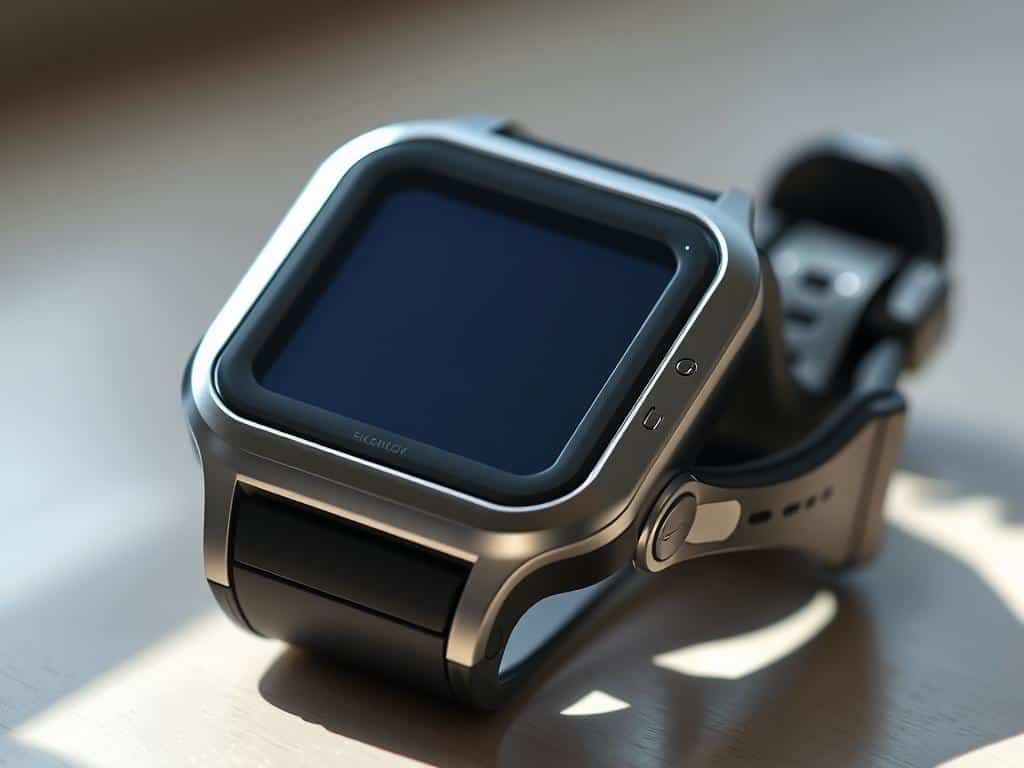
Ethical Considerations and User Privacy in Wearable Technology
Wearable technology is everywhere, making it key to talk about privacy and data. These devices collect a lot of personal info, raising big questions. People wonder how their data is used and kept safe, like with Apple and Fitbit’s data leak.
This shows we need strong privacy rules to protect our data.
Data Collection and User Consent
Most people quickly agree to privacy policies without really reading them. They spend just 51 seconds on terms that should take 30 minutes. This shows we don’t really understand how our data is handled.
About 60% of users don’t get how their info is managed. Companies should be clear about what data they collect and how it’s used. This builds trust and keeps user privacy safe.
Impact of Social Media Integration
Wearables often connect to social media, sharing more data. This can lead to sharing personal info without realizing it. The Strava heat-map incident is a clear example of this.
As wearables link more with social media, keeping data safe is more critical. It’s important for users to know the risks of sharing data through these devices.
Conclusion
The future of wearable tech is always changing, bringing both great chances and big hurdles in making things better for users. Looking at today’s world, it’s clear that making each device special is key. This means making fitness trackers and smart glasses better for each person.
Features like voice commands in Google Glass and the Digital Crown on Apple Watch show how tech can solve space problems. These examples highlight how technology can make devices more user-friendly.
Privacy and security are top concerns for users. Designers must focus on keeping user data safe. Apple’s use of local storage for sensitive info shows they listen to what users want.
This focus on privacy will make users trust their devices more. It will also help build strong relationships between people and their gadgets. In a world where wearables are part of our daily lives, this is very important.
In the end, the future of wearable tech depends on creative design, making things personal, and being ethical with data. Looking forward, tackling these challenges will help us make devices that go beyond what users expect. This will lead to a future where tech improves our health and lifestyle in amazing ways.

Leave a Reply
You must be logged in to post a comment.