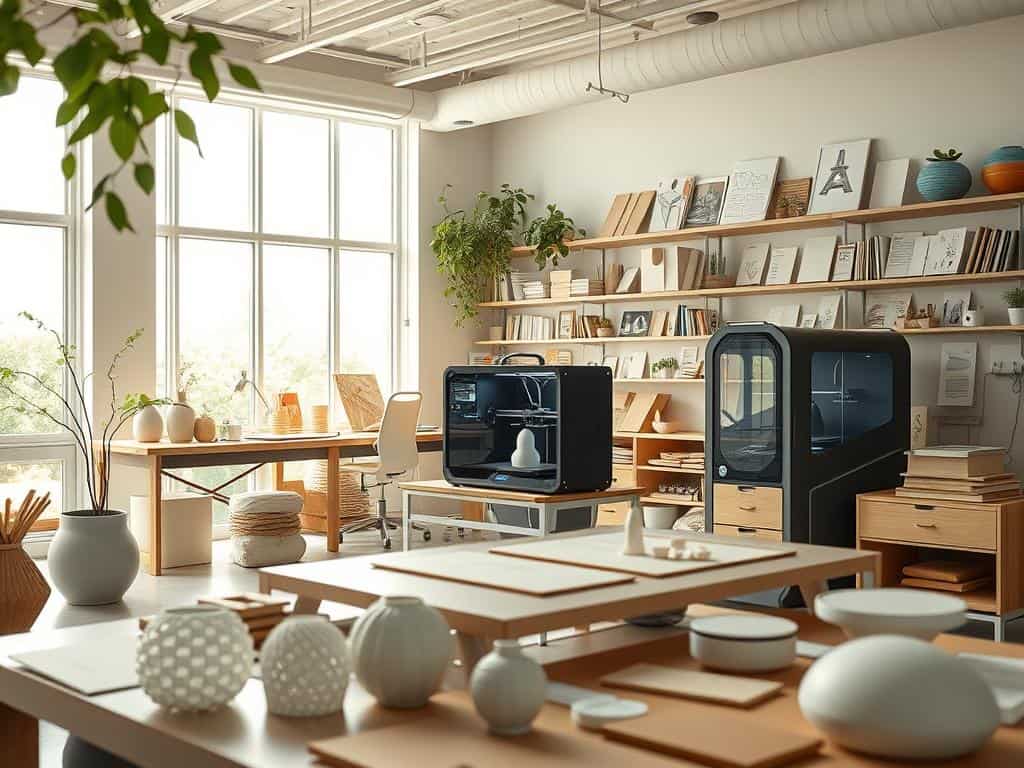
Zero Waste Design: The Future of Sustainable Innovation
The growing waste crisis is hard to ignore. Every plastic piece, discarded item, and single-use product adds to the landfill problem. It’s urgent to move towards Zero Waste Design to protect our planet.
The building sector is a big source of pollution, with 38% of global CO2 emissions. We must cut waste and emissions by 6% each year to reach zero by 2050. But, there’s hope in sustainable innovation and eco-friendly design.
Zero Waste Design aligns with circular economy principles. It encourages us to rethink our environments and habits for a more efficient future. Together, we can create a better world through sustainable innovation.
Key Takeaways
- The building sector is responsible for a significant portion of energy-related CO2 emissions.
- Implementing Zero Waste Design can help mitigate the environmental impact of construction and manufacturing.
- Transitioning to circular economies is essential for sustainable innovation.
- Reusing and recycling materials leads to more eco-conscious living.
- Small changes in design can result in substantial reductions in waste generation.
- Collective action towards waste reduction promotes a healthier planet.
The Importance of Zero Waste Design in Today’s World
Zero Waste Design is key to solving big problems like waste and resource use. It helps make products and processes that waste less. This is vital in a world facing environmental damage and too much waste. Zero Waste Design shows us a way to keep materials valuable and use them again, helping our planet and society.
Understanding Sustainable Innovation
Sustainable innovation aims to create solutions that are good for people and the planet. It seeks a balance between being green and being affordable. Zero Waste Design is a big part of this, helping us use resources better and waste less. It guides us toward a greener future.
The Current State of Waste Generation
Waste generation is a big problem. Earth Overshoot Day keeps getting earlier, showing we’re using too many resources. For example, the U.S. hits this day very early, showing we’re overusing resources.
Only 21% of plastic waste can be recycled, leaving 79% as non-recyclable. This shows we need better ways to manage waste. With the world’s population set to grow to 10.2 billion by 2100, managing waste is more urgent than ever.
In Europe, only 18% of old clothes are reused or recycled, with 70% going to landfills. Zero Waste Design can help reduce landfill use and lessen environmental harm.
Innovative Strategies in Zero Waste Design
Zero waste design uses green practices that fit the circular economy. It changes old ways to reduce waste and make designs better for the planet.
Principles of Circular Economy
The circular economy is key to zero waste design. It teaches us to reduce, reuse, recycle, recover, and redesign. This is very important in fashion, where 400 billion m² of textiles are made every year.
Only 15% of these textiles are wasted. By using these principles, companies can cut down their waste and use resources better.
Emerging Technologies for Sustainable Innovation
New technologies are changing how we manage waste and recycle textiles. Smart composters and waste tracking tools help businesses sort materials better. This leads to less waste and helps the environment.
Using these technologies can cut down waste a lot. For example, every tonne of reused textiles saves 20 tonnes of CO2. These innovations are key to a sustainable future.
Architectural Innovations in Zero Waste Design
Architectural innovations also play a big role in zero waste design. Living walls and smart city planning cut down carbon emissions. The 15-minute city idea makes walking easier and reduces car use.
Using eco-friendly materials in buildings cuts down on waste and energy use. This makes our built environment greener.

Conclusion
Zero Waste Design is key to solving today’s waste problems. In big cities like New York, trucks collect about 10,000 tons of trash every day. We must find new ways to manage waste better.
It’s important to stop sending waste to far-off landfills. These landfills are often over 400 miles away from cities. We need effective solutions for a greener future.
Using circular economy ideas can help. Designing products to be easily taken apart and using durable materials is a good start. The Bullitt Center in Seattle is a great example of how design can lead to sustainability.
Companies can also gain by adopting Zero Waste Design. They can save on waste management costs and attract more customers.
In short, moving towards zero waste is not just a dream. It’s a must for a sustainable future. By being mindful of what we consume and how we manage waste, we can build better communities.
Together, we can make our world more sustainable. This will ensure a healthier planet for all future generations.

Leave a Reply
You must be logged in to post a comment.