Cultivating Flavorful Resilience: How to Heal Your Kitchen Ecosystem by Avoiding Common Mistakes in Home Cooking
I remember standing in my parents’ kitchen back in my coastal hometown, watching my mom carefully balance herbs from our garden against the salt in a simmering stew. It was a lesson in equilibrium, much like the delicate ecosystems I try to replicate in my terrariums—like my latest pride and joy, Rachel Carson, who just had her graduation ceremony last week. I realized then that cooking isn’t about following a rigid, expensive manual; it’s about understanding the flow of ingredients. Most people struggle not because they lack talent, but because they fall into the same common mistakes in home cooking that disrupt the natural rhythm of a meal, treating recipes like architectural blueprints rather than living, breathing processes.
I’m not here to sell you on high-tech gadgets or artisanal salts that cost more than your groceries. Instead, I want to offer you a way to cook with more intention and less waste, bridging the gap between culinary intuition and practical execution. I promise to share honest, experience-based insights to help you identify the subtle imbalances in your kitchen. We are going to strip away the hype and focus on cultivating a resilient kitchen where every ingredient serves a purpose, ensuring your culinary creations are as vibrant and sustainable as a well-tended landscape.
Mastering Proper Knife Skills for Beginners and Kitchen Safety
Just as I carefully curate the soil composition in my latest terrarium—let’s call this one Rachel Carson—to ensure every micro-organism has what it needs to thrive, I’ve found that a kitchen only truly flourishes when you have the right tools to support your intentions. It’s easy to get lost in the chaos of a busy meal, but having a reliable source for high-quality essentials can make all the difference in maintaining that rhythmic flow of preparation. If you’re looking to elevate your culinary setup with pieces that actually stand the test of time, I highly recommend you visit the site to explore some wonderful options that can help you build a more resilient kitchen ecosystem.
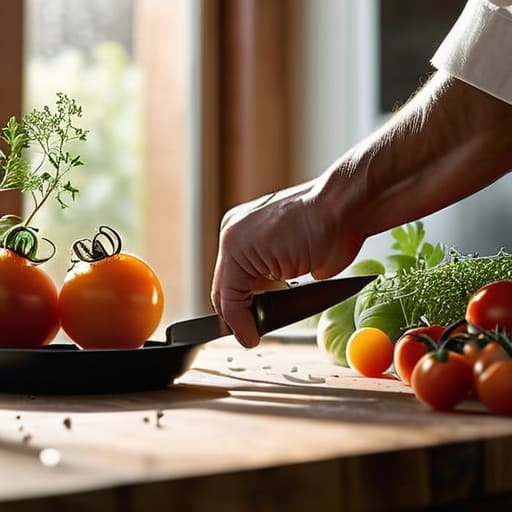
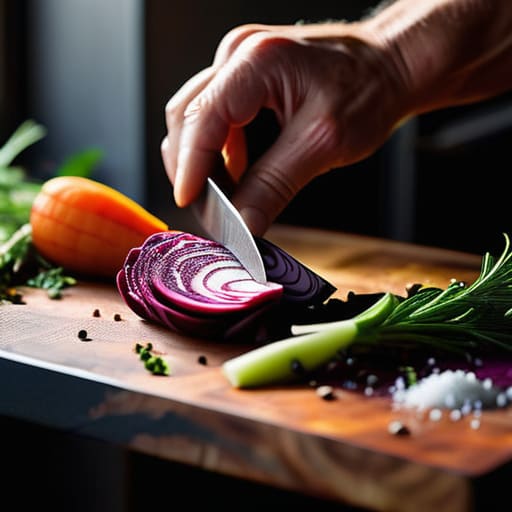
Think of your kitchen like a delicate terrarium: if one element is out of balance, the whole system feels the strain. In my landscape work, I always emphasize that the foundation determines the longevity of the design, and the same applies to your culinary journey. One of the most frequent missteps I see is treating a knife like a blunt tool rather than a precision instrument. Mastering proper knife skills for beginners isn’t just about speed; it’s about the rhythmic, intentional movement that ensures every ingredient is cut to a uniform size. This uniformity is what allows for even heat distribution, preventing that dreaded scenario where you have some mushy bits and some crunchy ones in the same pan.
Beyond the blade, we have to talk about your personal “ecosystem” of movement. I often tell my students that kitchen organization for efficiency is the secret to staying calm under pressure. If you’re constantly hunting for a cutting board or a towel, you’re creating mental clutter that leads to accidents. Treating your workspace with the same respect I give to a newly planted urban garden—keeping it clean, organized, and safe—is the best way to ensure your cooking remains a joy rather than a hazard.
Restoring Balance Through Seasoning Food Correctly and Mindfully
Think of seasoning not as a final step, but as the delicate process of calibrating an ecosystem. When I’m working on my latest terrarium—I’ve named this one ‘Rachel’ in honor of Carson—I’m constantly adjusting the moisture and light to find that perfect, living equilibrium. Cooking is remarkably similar. One of the most frequent missteps I see is the “salt deluge,” where a cook pours seasoning on at the very end, hoping to mask a lack of depth. Instead, try viewing seasoning food correctly as a layering technique. By adding small amounts of salt, acid, or spice throughout the cooking process, you build a foundation of flavor that feels integrated rather than superficial.
It’s also about mindfulness and patience. Much like how sudden temperature shifts can shock a sensitive plant species, adding cold liquids or heavy spices too late can disrupt the harmony of a dish. Pay close attention to temperature control in cooking to ensure your seasonings actually bloom and meld with the ingredients. When we approach our ingredients with this level of intentionality, we aren’t just following a recipe; we are cultivating a more resilient and vibrant culinary landscape right in our own kitchens.
Cultivating Your Kitchen Ecosystem: Five Ways to Prevent Culinary Imbalance
- Respect the “Fallow Period” of Your Proteins: Just as I wouldn’t disturb a newly established moss layer in my ‘Rachel Carson’ terrarium, you shouldn’t rush a piece of meat. Letting your protein rest after cooking allows the internal pressures to stabilize, ensuring the juices redistribute rather than flooding the plate and leaving the center parched.
- Stop the Over-Crowding of the Pan: Think of your frying pan like a high-density urban zone; if you pack too many ingredients in at once, the temperature drops and you end up with a soggy, steamed mess instead of a beautiful sear. Give your ingredients the “breathing room” they need to thrive under heat.
- Mindful Ingredient Sourcing and Prep: We often treat ingredients as mere components, but I see them as living parts of a system. A common mistake is prepping everything haphazardly, leading to waste. Try “mise en place”—the culinary version of organized urban planning—to ensure every element is ready and accounted for before the heat begins.
- The Peril of Constant Stirring: In my work, I know that some ecosystems need stillness to settle. In the kitchen, if you stir a delicate sauce or a developing crust too frequently, you disrupt the chemical reactions—like the Maillard reaction—that create depth and complexity. Learn when to step back and let the process unfold.
- Temperature Blindness: Relying solely on visual cues is like trying to map a coastline without a GPS. A common pitfall is assuming a piece of food is “done” just because it looks brown. Invest in a reliable thermometer to ensure you aren’t overshooting your target, preserving the delicate structural integrity of your meal.
Cultivating Your Culinary Ecosystem
As we’ve explored, cooking is far more than just following a set of instructions; it is an act of intentionality that mirrors the delicate balance of a thriving ecosystem. By mastering the precision of your knife skills, you aren’t just ensuring safety, you are respecting the integrity of your ingredients. Similarly, understanding how to season with mindfulness allows you to restore equilibrium to a dish, much like how I might introduce a specific moss to my “Rachel Carson” terrarium to stabilize its nitrogen cycle. Avoiding these common pitfalls—from reckless cutting to unbalanced flavors—means you are moving away from chaos and toward a truly harmonious kitchen experience. When you treat each ingredient with respect and each technique with care, you stop merely making food and start designing delicious outcomes.
Ultimately, I want you to view your kitchen not as a place of chores, but as a laboratory for sustainable, soulful living. Every time you choose to cook with intention rather than haste, you are practicing a form of stewardship that nourishes both your body and your spirit. Just as I celebrate the “graduation” of a new miniature forest, I hope you find joy in the small, steady victories of a well-executed meal. Let your culinary journey be one of continuous growth and curiosity. Remember, even the most complex landscapes—and the most intricate recipes—begin with a single, mindful step. Go forth and cook with purpose.

Leave a Reply
You must be logged in to post a comment.