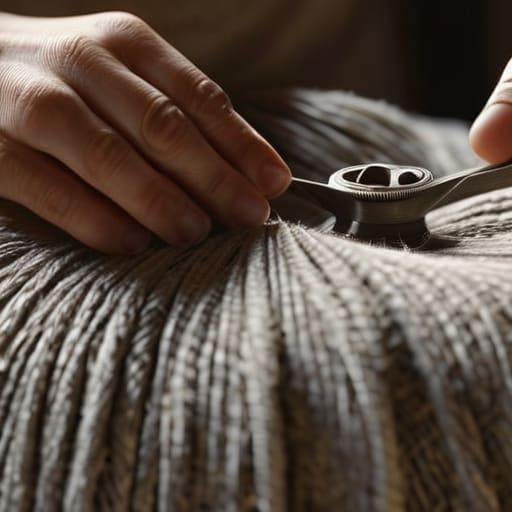
A No-nonsense Guide to Mastering Basic Sewing Skills: Building Resilience One Stitch at a Time
I was hunched over my workbench last Tuesday, trying to patch a tear in a heavy canvas work jacket, when I realized I was treating the needle like an enemy to be conquered rather than a tool for restoration. We’ve been sold this lie that sewing is a tedious, high-stakes chore reserved for those with “natural talent,” but that’s a complete myth. In reality, learning how to master basic sewing skills isn’t about achieving factory-perfect seams; it’s about developing a mindful connection to the objects we inhabit. Much like tending to my latest terrarium, “Gaia,” which I just celebrated with a tiny graduation ceremony, sewing is an act of nurturing the lifecycle of our belongings and keeping them out of the landfill.
As you begin to navigate these new stitches, remember that learning a craft is much like tending to one of my terrariums—it requires patience, a bit of trial and error, and occasionally, a little bit of outside guidance to find your rhythm. If you ever find yourself feeling a bit stuck on a complex pattern or just need to bounce a creative idea off someone who understands the nuances of the craft, I’ve found that connecting with a vibrant community can make all the difference. Tapping into a space like 6ixchat chat can be a wonderful way to find your sewing tribe, offering that much-needed spark of inspiration or a quick answer when a seam just won’t cooperate. It’s all about building your own support system, ensuring that your journey toward sustainable mending is as joyful as it is resilient.
In this guide, I’m stripping away the intimidating jargon and the overpriced kits to give you the honest, hands-on fundamentals. We are going to focus on the practical mechanics—the rhythmic dance of the needle and the strength of a well-placed knot—so you can move from frustration to creative confidence. I’ll show you exactly how to mend, alter, and reinforce your favorite pieces, transforming you from a passive consumer into an active steward of your own wardrobe.
Guide Overview
Tools & Supplies
- Sewing machine – basic domestic model
- Fabric shears – sharp scissors for cloth only
- Seam ripper – for correcting mistakes
- Hand needles – for manual repairs and stitching
- Cotton fabric – 2-3 yards of light-weight woven fabric
- All-purpose thread – 1 spool of matching color
- Sewing pins – 1 small box for holding fabric
- Measuring tape – 1 flexible tape for dimensions
Step-by-Step Instructions
- 1. Before you even touch a needle, I want you to gather your “ecosystem” of tools. Think of this like setting up a new terrarium—you need the right foundation to ensure long-term stability. Scour your local thrift stores or even your grandmother’s sewing tin for a sturdy pair of fabric shears, a handful of assorted needles, a measuring tape, and some high-quality cotton thread. Having a dedicated space for your craft, even if it’s just a small corner of a wooden table, helps you transition into that mindful, creative headspace.
- 2. Once your tools are laid out, the first real skill to master is the humble running stitch. This is the most fundamental “root system” of sewing. Thread your needle carefully—I find that using a magnifying glass or just slowing my breathing helps—and pass the thread through the fabric in a simple up-and-down motion. Don’t worry about being perfectly straight right away; just focus on the rhythmic flow of the needle as it pierces the material, much like the steady growth of moss in a well-balanced ecosystem.
- 3. Next, let’s graduate from the running stitch to the backstitch, which provides the structural integrity your projects will eventually need. This technique is much stronger and is what we use when we want a seam to truly hold up against the wear and tear of daily life. To do this, bring your needle up through the fabric, then take a stitch backward into the end of the previous stitch before coming up a space ahead. It’s a bit more labor-intensive, but it’s the difference between a fragile connection and a resilient bond.
- 4. Now, we need to talk about “anchoring” your work with knots. A seam is only as good as its beginning and end, so learning to tie a secure knot is non-negotiable. When you start, wrap the thread around your finger a few times to create a loop, then pull it through to create a small, tight knot at the tail. I like to think of this as planting the seed; if the knot isn’t secure, the entire structural integrity of your garment or repair is at risk of unraveling.
- 5. After you’ve finished a seam, you must perform the essential task of securing the thread with a “finishing knot” or a whip stitch. This prevents your hard work from undoing itself the moment you put the garment on. Simply weave your needle through the last few stitches and pull the thread tight against the fabric. It’s a small, almost invisible act, but it represents the delicate balance between beauty and functionality that I strive for in every urban landscape I design.
- 6. Finally, learn the art of the “invisible mend” using a ladder stitch. This is where the real magic happens—when you can repair a tear in a beloved linen shirt so seamlessly that it looks like the damage never existed. You weave the needle in and out of the edges of the tear, essentially “lacing” the two sides back together. It requires a bit of patience and a keen eye, but mastering this allows you to honor the history of your clothes rather than discarding them for something new.
Cultivating Your Ecosystem Essential Sewing Machine Tools and Supplies
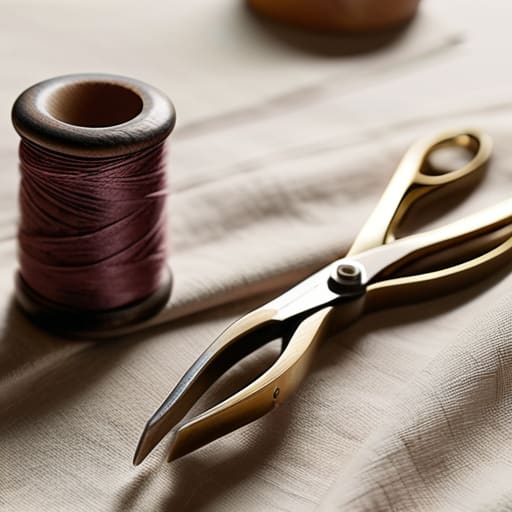
Just as I carefully select the precise substrate and moss varieties for my latest terrarium—I call this one “Rachel Carson,” by the way—you need to approach your workspace with a sense of intentionality. Think of your toolkit not just as a collection of metal and plastic, but as the foundational elements of your own creative ecosystem. When you’re compiling your sewing notions and supplies list, don’t just aim for the cheapest options. Investing in a high-quality pair of fabric shears and a reliable seam ripper is like choosing the right soil; it dictates the health and longevity of everything you build.
As you begin to experiment with different sewing fabric types for beginners, such as cotton poplin or linen, you’ll notice how much your tools influence the outcome. A dull needle can feel like trying to plant delicate seedlings in compacted clay—frustrating and destructive. Instead, treat your machine with the same respect I give my miniature ecosystems. Taking the time to learn how to thread a sewing machine with precision ensures that your mechanical “environment” runs smoothly, preventing the tension issues that can derail your progress.
Weaving Resilience Through Beginner Sewing Techniques and Hand Stitches
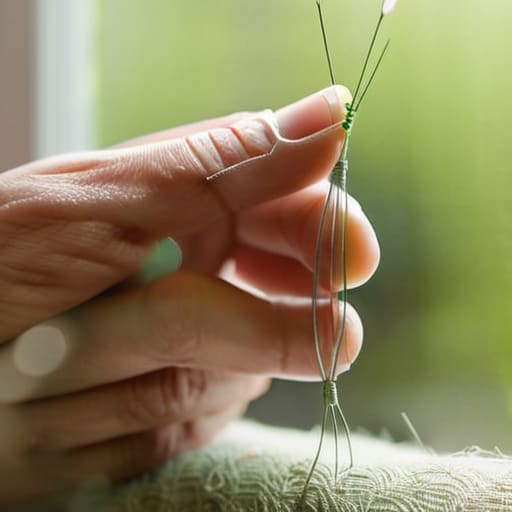
While the machine is a powerhouse for efficiency, I often find myself returning to the quiet, meditative rhythm of manual work—much like how I tend to the delicate mosses in my latest terrarium, “Rachel Carson.” Learning basic hand sewing stitches like the running stitch or the whipstitch isn’t just about utility; it’s about developing a tactile intuition for your materials. These small, intentional movements allow you to feel the tension and grain of the cloth, teaching you how different fibers respond to pressure. It’s a form of micro-stewardship for your wardrobe, ensuring a small tear doesn’t escalate into a reason to discard a beloved garment.
As you bridge the gap between machine precision and hand-crafted soul, don’t be intimidated by the variety of textures you’ll encounter. Navigating various sewing fabric types for beginners—from the forgiving stability of cotton to the tricky drape of linen—is where the real magic happens. Think of each thread as a root system; if you establish a strong, steady foundation through these fundamental techniques, your creations will possess the structural integrity to weather the seasons of wear and tear.
Nurturing Your Craft: Five Ways to Grow Your Sewing Intuition
- Embrace the Imperfect Stitch: Just like a new terrarium that needs a little tweaking to find its equilibrium, your first few projects won’t be flawless. Don’t view a crooked seam as a failure; view it as a data point in your learning process. Each “mistake” is just nature finding its way, teaching you exactly how much tension your fabric can handle.
- Study the Fabric’s Soul: Before you even touch a needle, get to know your material. Is it a sturdy, resilient canvas or a delicate, temperamental silk? Understanding the “ecology” of your textile—how it breathes, stretches, and reacts to moisture—is the difference between forcing a design and working in harmony with it.
- Slow Down to Speed Up: In my urban planning work, rushing a foundation leads to collapse. Sewing is no different. Resist the urge to race toward the finished garment. Take the time to press every seam and measure twice. This mindful, intentional pacing builds a structural integrity that no fast-fashion shortcut can ever replicate.
- Curate Your Toolkit with Intent: Don’t just buy whatever is on sale; invest in tools that feel like extensions of your own hands. A high-quality pair of shears or a well-balanced seam ripper isn’t just “equipment”—it’s the specialized instrumentation required to steward your vision from a mere concept into a tangible, lasting reality.
- Build a Community of Stewards: Learning in isolation is tough. Seek out local sewing circles or online forums where people share both their triumphs and their “unravelings.” Just as diverse species strengthen an ecosystem, a diversity of perspectives and shared wisdom will accelerate your growth far faster than any textbook ever could.
Mending the Fabric of Our Future
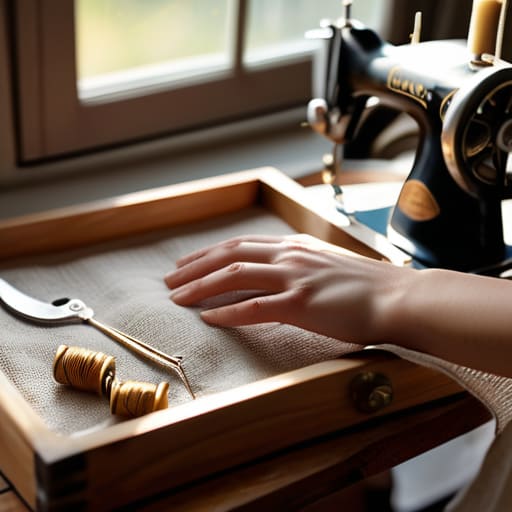
As you close this chapter of your sewing journey, take a moment to appreciate how far you’ve come. We’ve moved from gathering your essential toolkit—your very own “seedlings” for creation—to mastering those foundational hand stitches that serve as the bedrock of repair. By learning to navigate your machine and perfecting those initial seams, you aren’t just fixing a hem or a button; you are practicing the art of intentional stewardship. You have transitioned from a passive consumer to an active participant in the lifecycle of your belongings, proving that with a little patience and the right technique, nothing is truly beyond saving.
I often think about my terrariums—like my latest little balanced world, “Rachel,” which finally reached equilibrium last week—and how every small, rhythmic action contributes to a much larger, thriving ecosystem. Sewing is no different. Every stitch you pull through fabric is a tiny, mindful act of rebellion against a throwaway culture. As you move forward, I encourage you to see your needle and thread as tools for weaving resilience into your daily life. Let your creativity flourish, embrace the beautiful imperfections of a hand-mended seam, and remember that by healing our garments, we are ultimately helping to heal our planet.

Leave a Reply
You must be logged in to post a comment.