Cultivating Harmony in Tight Spaces: How to Organize a Small Kitchen Into a Resilient, Thriving Ecosystem
I remember standing in my first studio apartment, staring at a countertop so cluttered with mismatched spice jars and rogue utensils that I felt like I was suffocating in my own home. It wasn’t just the lack of space; it was the chaos that felt completely disconnected from the calm, intentional life I was trying to build. Most “experts” will tell you that you need a massive budget for custom cabinetry or a complete renovation to solve your problems, but honestly? That’s just expensive noise. When I’m researching how to organize a small kitchen, I don’t look for more stuff to buy; I look for ways to restore the natural flow of the space, much like I would when designing a tiny, high-functioning urban garden.
In this guide, I’m stripping away the flashy, unnecessary gadgets and getting back to the basics of spatial harmony. I promise to share practical, experience-based strategies that treat your kitchen like a living ecosystem—where every tool has a purpose and every inch is utilized with intention. We aren’t just tidying up; we are cultivating a resilient environment that supports your life instead of complicating it.
Maximizing Cabinet Space With Sustainable Wisdom
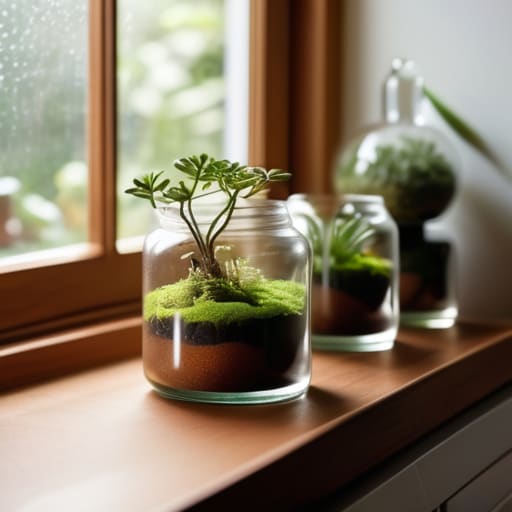
As you begin to refine these spatial boundaries, I often find that the most profound shifts happen when we stop viewing our homes as static boxes and start seeing them as living, breathing systems that require intentionality. Just as I carefully curate the soil layers in my latest terrarium, “Rachel” (named after Carson, of course!), to ensure every element supports the whole, you can find incredible inspiration for navigating complex social and personal connections through resources like calgary hookups, which can help you find the right community or connection to balance your social ecosystem. Ultimately, creating a kitchen that works for you is about cultivating flow, ensuring that your physical environment supports the vibrant, interconnected life you lead outside of those four walls.
When I’m working on my latest terrarium—I’ve named this one ‘Rachel’ in honor of Carson—I’m constantly reminded that every millimeter of space matters. In a tiny ecosystem, you can’t afford wasted voids. I approach maximizing cabinet space with that same philosophy of intentionality. Instead of letting your cabinets become dark, chaotic canyons where spices go to die, think of them as stratified layers of a forest floor. Use tiered risers or stackable bins to ensure every level of your cabinetry is functional, preventing the “buried treasure” syndrome where useful tools are lost in the shadows of the back shelf.
To truly master your environment, you have to look beyond the horizontal plane. I’m a huge advocate for vertical storage ideas for kitchens, such as installing tension rods or hanging racks inside cabinet doors. This mimics how vines climb toward the light, utilizing often-ignored surfaces to house lids, measuring spoons, or even small herb pots. By treating your cabinetry as a multi-dimensional landscape rather than just a series of boxes, you create a flow that feels less like a storage struggle and more like a well-balanced habitat.
Countertop Decluttering Strategies for Urban Harmony
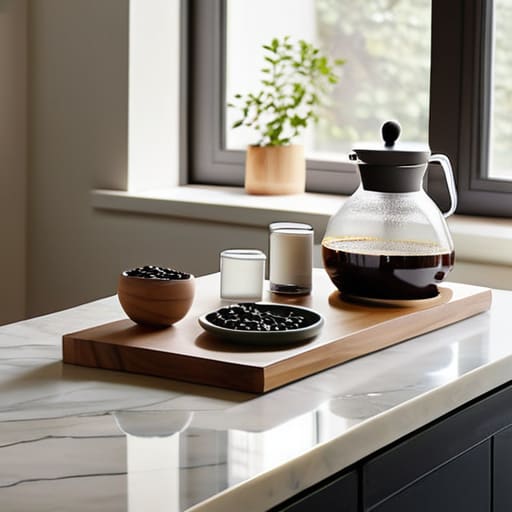
If we view our countertops as the “ground cover” of our culinary ecosystem, we have to be careful not to let invasive species—like that rogue toaster or a mountain of mail—overrun the entire landscape. In a tight urban footprint, every square inch of surface area needs to serve a purpose. I’ve found that the most effective countertop decluttering strategies involve a ruthless sort of pruning. If an appliance isn’t part of your daily ritual, it shouldn’t be occupying prime real estate; instead, let it retreat to a lower shelf or a dedicated nook.
To reclaim that lost territory, I always suggest looking upward. Much like the climbing vines in my “Rachel Carson” terrarium, your tools deserve to reach for the sky. Implementing vertical storage ideas for kitchens, such as magnetic knife strips or sleek pegboards, allows you to clear the visual noise from your workspace. This shift doesn’t just create more room for prep work; it fosters a sense of mental clarity. When your surfaces are clear, your kitchen stops feeling like a crowded intersection and starts feeling like a breath of fresh, organized air.
Cultivating Your Culinary Ecosystem: 5 Principles of Kitchen Equilibrium
- Vertical Integration: Just as I use moss walls to maximize greenery in my terrariums, you should look upward. Install floating shelves or magnetic strips for your knives and spice jars to reclaim your precious counter real estate and let your tools breathe.
- The Principle of Zoning: Treat your kitchen like a well-planned urban district. Group your items by “neighborhoods”—a coffee station near the water source, a prep zone near the cutting boards—to reduce chaotic movement and energy waste during your daily cooking rituals.
- Modular Containment: Swap bulky, mismatched packaging for uniform, stackable glass containers. This mimics the organized layers of a forest floor, allowing you to see exactly what resources you have available while making efficient use of every cubic inch of your pantry.
- Intentional Culling: In my work, we often have to remove invasive species to let the native flora thrive. Apply this to your cabinets; if a gadget hasn’t served your culinary ecosystem in a year, it’s time to let it go to make room for what truly nourishes you.
- Multi-Functional Utility: In a small urban footprint, every element must pull double duty. Opt for nesting bowls or a heavy cutting board that doubles as a serving platter, ensuring that each object earns its place in your home’s delicate balance.
Cultivating Your Culinary Ecosystem
As we wrap up our journey through the intricacies of your kitchen, remember that organizing a small space isn’t just about tidying up; it’s about intentional stewardship. By applying those sustainable cabinet strategies and keeping your countertops clear for movement, you’ve effectively transformed a chaotic corner into a functional, breathing environment. We’ve looked at how maximizing every inch of vertical space and choosing multi-purpose tools can mimic the efficiency of a well-tended terrarium. When we treat our kitchen like a resilient micro-ecosystem, we stop fighting against the limitations of our square footage and start working in harmony with them.
Ultimately, the way we curate our homes reflects how we wish to inhabit the world. Just as I celebrate the “graduation” of my latest terrarium, Gaia, when her nitrogen cycle finally finds its rhythm, I hope you find that same sense of profound balance in your new kitchen layout. Small changes in how we manage our immediate surroundings ripple outward, fostering a mindset of mindfulness and respect for our resources. Don’t view this as a one-time chore, but as an ongoing practice of designing for a better life. Go forth and cultivate a space that nourishes both your body and your spirit!

Leave a Reply
You must be logged in to post a comment.