Are You Disrupting Your Inner Ecosystem? the Common Mistakes in Home Yoga Routines That Undermine Your Personal Resilience.
I was tending to “Rachel Carson,” my newest moss-heavy terrarium, when I felt that familiar, sharp twinge in my lower back—a direct consequence of trying to force a perfect downward dog on my living room rug last Tuesday. It’s funny, isn’t it? We spend so much time trying to curate these “perfect” wellness aesthetics, but we often end up sabotaging our own internal ecosystems. I see it all the time: people rushing through movements or chasing a shape they saw on a screen, completely ignoring the structural integrity of their own bodies. These common mistakes in home yoga routines aren’t just minor hiccups; they are ecological disruptions to your physical well-being that can leave you feeling more fractured than a drought-stricken landscape.
I’m not here to sell you a $100 designer mat or tell you that you need a studio-grade sanctuary to find peace. Instead, I want to offer you a blueprint for a more resilient practice. Drawing from my background in urban planning and my own trial-and-error on the yoga mat, I’m going to walk you through the most frequent missteps that destabilize your foundation. We’re going to strip away the hype and focus on the authentic alignment you need to build a sustainable, lifelong relationship with your body.
The Fragile Foundation Ensuring Yoga Mat Stability and Safety
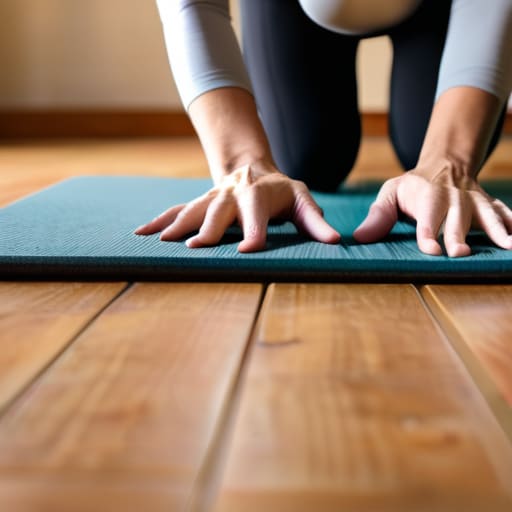
Think of your yoga mat as the literal bedrock of your practice, much like the nutrient-rich substrate I carefully layer in my latest terrarium, “Rachel” (named after Carson, of course!). If the ground beneath you is shifting or slick, your entire internal ecosystem begins to wobble. One of the most frequent beginner yoga practice errors I see is attempting a flow on a surface that lacks sufficient grip or is placed on an uneven floor. When your foundation is unstable, your body compensates by gripping with tension rather than flowing with ease, which is a fast track to frustration rather than peace.
Prioritizing yoga mat stability and safety is about more than just avoiding a slip; it’s about creating a reliable sanctuary for your movement. If your mat is sliding across a hardwood floor, don’t just push through the discomfort. This instability often leads to overextending in yoga poses as you subconsciously reach for balance that isn’t there. Just as I wouldn’t plant a delicate fern on loose gravel, don’t ask your joints to stabilize a pose on a treacherous surface. Grab a non-slip pad or a more textured mat to ensure your practice stays grounded and secure.
The Danger of Overextending in Yoga Poses
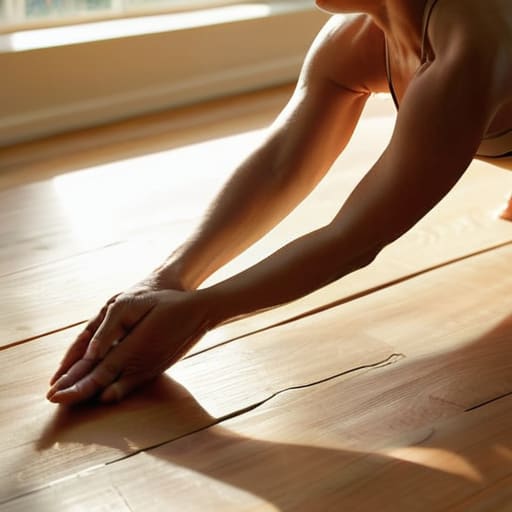
In my terrarium workshop, I’ve learned that if you force a delicate fern to grow too quickly or push a stem beyond its natural bend, you don’t get a lush forest—you get a broken ecosystem. Yoga is no different. It’s incredibly easy to fall into the trap of thinking that “deeper” always means “better,” but overextending in yoga poses is often just a mask for ego. When we chase a pose rather than feeling it, we tend to bypass our body’s natural structural integrity, trading genuine flexibility for a precarious, shallow stretch that puts immense strain on our joints and connective tissues.
Instead of forcing your body into a shape that feels brittle, I want you to think about sustainable growth. True progress in your practice comes from honoring your current boundaries, not shattering them. This is where proper yoga alignment tips become your best friend; they act as the scaffolding that keeps your internal structure sound. If you feel a sharp pull or a sense of instability, back off. Remember, a pose isn’t a destination to be conquered, but a living, breathing state of balance that requires patience and respect for your body’s unique topography.
Cultivating Your Inner Landscape: 5 Ways to Stop Sabotaging Your Practice
- Respect the Breath as Your Primary Resource: I often see people treating their breath like an afterthought, something they only notice when they’re gasping for air. In my terrariums, if the air circulation is stagnant, the whole system crashes. In yoga, if you’re holding your breath, you’re essentially suffocating your progress. Treat your breath as the vital nutrient it is; it’s what bridges your physical movement with your mental presence.
- Listen to Your Body’s Natural Topography: It’s tempting to try and force your body into a “perfect” shape you saw on Instagram, but that’s like trying to plant a tropical fern in a desert climate. If a pose feels like a sharp, jagged edge rather than a smooth, expansive stretch, back off. Your body has its own unique terrain, and pushing through pain isn’t “strength”—it’s ecological destruction of your joints.
- Avoid the “Rush to Bloom” Mentality: We live in such a fast-paced world, and I know the urge to jump straight into the advanced, gravity-defying poses is strong. But just as I wouldn’t rush a miniature ecosystem to reach maturity, you shouldn’t rush your practice. Skipping the foundational, “boring” poses is how you build a house on sand. Master the basics first so your practice has the structural integrity to grow later.
- Mind the Mental Clutter: Sometimes the biggest mistake isn’t physical; it’s the mental noise we bring onto the mat. If you’re treating your yoga session like a checklist to be completed, you’re missing the point. Try to view your practice not as a chore, but as a way to clear the silt from your mental waterways, allowing your focus to run clear and steady.
- Create a Sacred, Intentional Space: You don’t need a high-end studio, but you do need intention. If your “yoga space” is a cluttered corner of a room filled with distractions, your mind will struggle to settle. Even a small, dedicated area—much like the carefully curated environment of one of my namesake terrariums—can signal to your brain that it’s time to transition from the chaos of the world into a state of mindful equilibrium.
Cultivating Your Inner Ecosystem
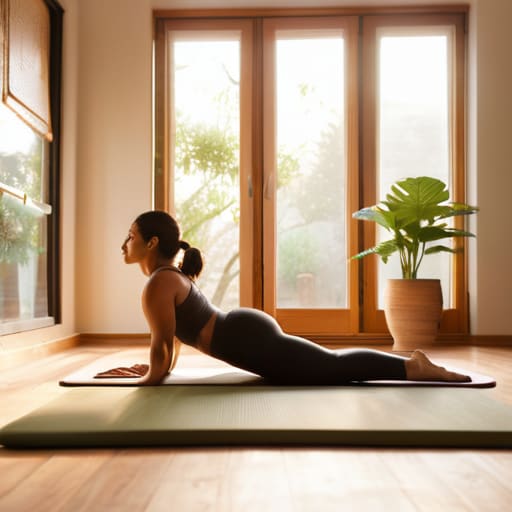
As we’ve explored, navigating your home yoga practice is a lot like designing a resilient urban park; you can’t just throw elements together and hope they stick. From ensuring your mat provides a stable, non-slip foundation to respecting the physical boundaries of your body, every movement requires intentionality. When we rush into deep stretches or ignore the stability of our base, we aren’t just risking a pulled muscle—we are disrupting the delicate equilibrium of our own physical landscape. Remember, the goal isn’t to force a pose into existence, but to build a sustainable practice that supports your long-term well-being rather than undermining it.
Ultimately, I want you to view your yoga mat as your own personal terrarium. Just as I carefully balance moisture and light in my little ecosystem named after Rachel Carson, you must balance effort with patience. Don’t be discouraged if your alignment feels a bit chaotic at first; growth is rarely a straight line, and even the most lush gardens face seasons of adjustment. Approach your practice with playful curiosity and a sense of stewardship for your body. If you treat yourself with the same respect we owe our planet, you won’t just find flexibility—you’ll find a thriving, resilient sanctuary within yourself.
Just as I’ve learned that a terrarium named after Rachel Carson requires the perfect nitrogen cycle to truly thrive, your yoga practice depends on a rhythm that respects your body’s natural limits rather than forcing them. If you find yourself struggling to maintain that internal equilibrium or feeling disconnected from your flow, I’ve found that seeking out local community connections can be a wonderful way to ground yourself. Sometimes, finding a sense of belonging or exploring new social landscapes—much like checking out fort lauderdale hookups—can provide that much-needed social nourishment that helps you feel more centered and present when you finally roll out your mat. It’s all about cultivating a holistic lifestyle where your external environment and your internal practice feed into one another beautifully.

Leave a Reply
You must be logged in to post a comment.