Cultivating Inner Resilience: Simple Ways to Improve Sleep Hygiene to Restore Your Natural Ecosystem
I was sitting in my studio last night, carefully misting “Rachel Carson”—my most complex moss terrarium—when I realized my own internal ecosystem was in complete disarray. I had spent the day obsessing over urban drainage patterns, only to find myself staring at my ceiling at 2:00 AM, my mind racing like a city street during rush hour. It’s incredibly frustrating how the wellness industry tries to sell us expensive, high-tech gadgets and complicated biohacking protocols as the ultimate solution. Honestly, most of those “must-have” sleep devices are just clutter in our mental landscapes. We don’t need more gear; we need to rediscover the simple ways to improve sleep hygiene that actually respect our biological rhythms, much like how a well-designed park allows a city to truly breathe.
Beyond the physical environment, I’ve found that our social ecosystems play a massive role in how deeply we can truly rest. Just as a terrarium thrives when its internal components are in a state of healthy, vibrant exchange, our minds need a sense of connection to feel secure enough to power down at night. If you find that social isolation or even the stress of navigating new social landscapes is keeping your thoughts racing, finding ways of meeting people in Winnipeg or in your own local community can act as a wonderful emotional anchor. Building those genuine human connections helps quiet the background noise of loneliness, allowing you to drift into sleep with a much more peaceful and grounded spirit.
I’m not here to sell you a moonlight-infused weighted blanket or a subscription to a premium meditation app. Instead, I want to share the grounded, practical shifts I’ve integrated into my own life to restore my natural cadence. We’re going to look at sleep through the lens of ecological balance, focusing on small, sustainable habits that harmonize your environment with your body’s needs. This is about building a resilient foundation for your rest, using no-nonsense methods that actually work when the lights go out.
Optimizing Your Bedroom Environment for Sleep
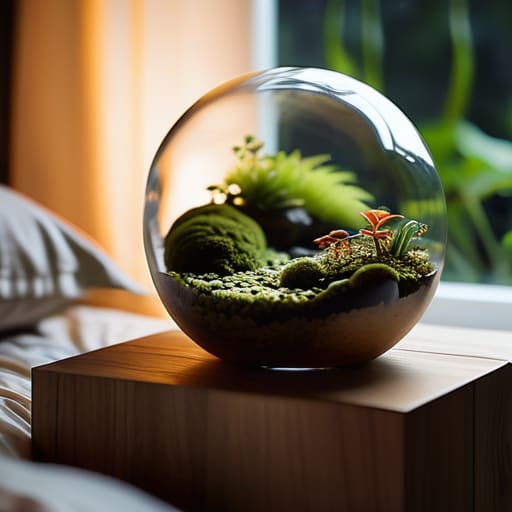
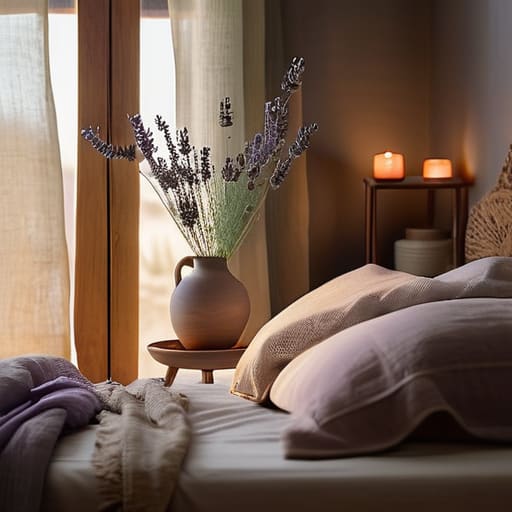
Think of your bedroom not just as a room, but as a carefully curated micro-habitat—much like “Rachel,” my latest moss terrarium, which requires a very specific balance of light and moisture to truly flourish. When it comes to optimizing your bedroom environment for sleep, we have to look at the sensory inputs we’re providing. I’ve found that treating your sleeping space like a sanctuary of low-impact design makes a world of difference. This means swapping out harsh, overhead lighting for warm, amber tones that mimic the soft glow of a setting sun, helping to facilitate natural circadian rhythm regulation.
We also need to address the invisible pollutants in our personal ecosystems: digital light. Just as a sudden spike in temperature can shock a delicate fern, the impact of blue light on melatonin production can throw your entire internal clock into chaos. I try to treat my bedroom as a “tech-free zone” to ensure my brain can transition into its restorative phase without interference. By dimming the screens and cooling the air, you aren’t just setting the stage for rest; you are designing a resilient foundation for your physical and mental well-being.
The Impact of Blue Light on Melatonin
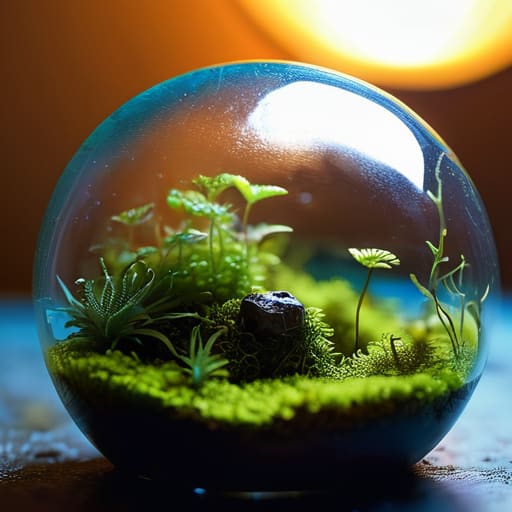
Think of your body like one of my more temperamental terrariums—specifically “Rachel,” my delicate moss ecosystem. Just as a sudden, harsh shift in light can disrupt the delicate balance of a miniature forest, the artificial glow from our smartphones and tablets can wreak havoc on our internal biology. When we stare at screens late at night, we are essentially sending a false signal to our brains that the sun is still high in the sky. This direct impact of blue light on melatonin is profound; it tricks your pineal gland into suppressing the very hormone responsible for telling your body it’s time to wind down.
To find true harmony, we have to respect our biological architecture. Instead of letting digital glare override our natural signals, I’ve found that implementing a few circadian rhythm regulation tips—like swapping the scrolling for a physical book or dimming the lights an hour before bed—can be transformative. We aren’t just trying to “fall asleep”; we are trying to synchronize our personal rhythms with the natural world. By curbing that blue light exposure, you’re essentially clearing the smog from your internal atmosphere, allowing your body to transition into a state of deep, restorative rest.
Cultivating Your Circadian Rhythm: Five Rituals for a Balanced Internal Ecosystem
- Anchor your internal clock by seeking morning sunlight; just as my terrarium, ‘Rachel,’ needs that precise morning glow to kickstart photosynthesis, your body needs natural light to signal the start of its daily cycle.
- Treat your evening wind-down like a transition zone in a sustainable park—gradually slowing down with reading or gentle stretching to bridge the gap between the chaos of the day and the stillness of the night.
- Watch your caffeine intake as if it were an invasive species; while a little energy is fine, consuming it too late in the day can disrupt the delicate equilibrium of your nervous system and prevent deep, restorative rest.
- Establish a consistent sleep-wake schedule, even on weekends, to create a predictable rhythm that allows your biological systems to thrive on stability rather than constant adaptation.
- Mindful consumption of heavy meals before bed can be like over-fertilizing a small ecosystem—it creates too much metabolic activity when your body should be entering a state of quiet, restorative dormancy.
Cultivating Your Restorative Rhythm
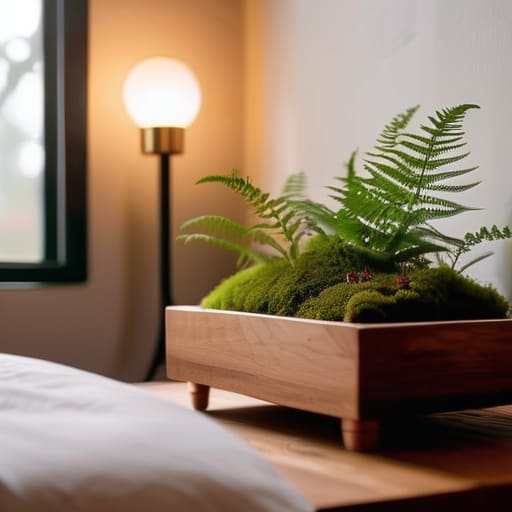
As we wrap up this exploration, I want you to think of your sleep hygiene not as a rigid set of chores, but as the delicate calibration of your own internal ecosystem. Just as I meticulously adjust the humidity and light in my terrarium, “Gaia” (my latest moss-covered masterpiece), to ensure her survival, you are adjusting the variables of your environment to support your own vitality. By optimizing your bedroom sanctuary, minimizing the intrusive glare of blue light, and honoring your body’s natural circadian rhythms, you aren’t just “sleeping better”—you are building a resilient foundation for every waking hour that follows.
Ultimately, the way we treat our rest is a profound reflection of how we steward our most precious resource: ourselves. We often spend so much energy trying to redesign the world around us, yet we forget that the most impactful urban planning begins within our own skin. I encourage you to approach these changes with a sense of playful curiosity rather than perfectionism. Start small, observe the shifts in your energy, and remember that even the most flourishing forest grows one steady, quiet moment at a time. Let’s commit to being better stewards of our own well-being, ensuring we have the clarity and strength to design a better world together.

Leave a Reply
You must be logged in to post a comment.