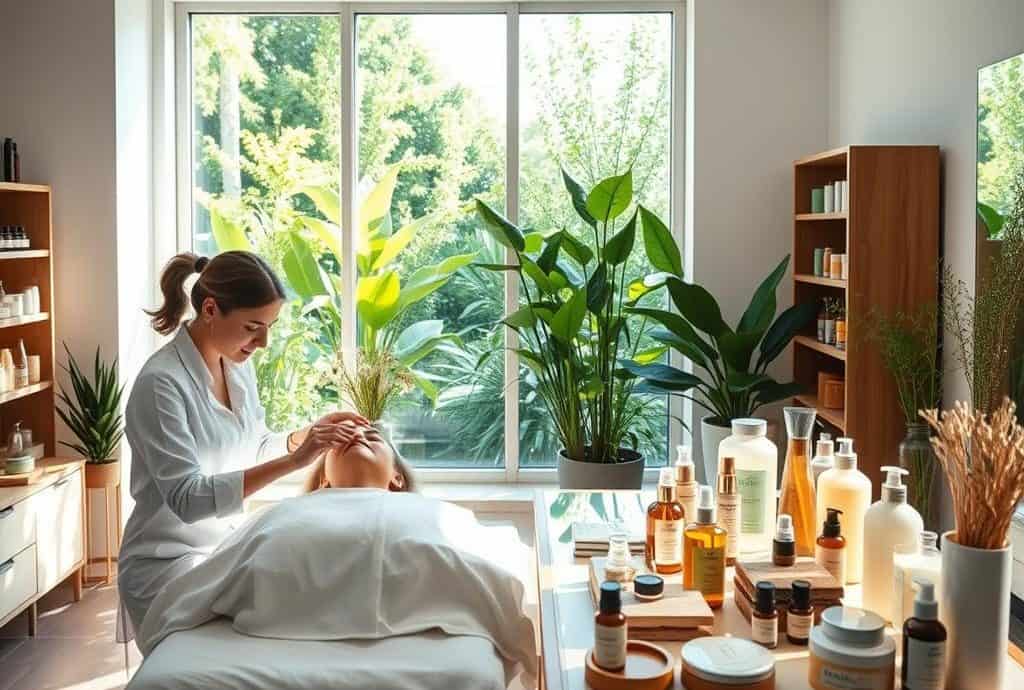
Can Aesthetics Be Ethical? The Rise of Sustainable Beauty
Did you know that traditional aesthetic procedures create millions of pounds of plastic waste every year? With growing concerns about climate change, ethical aesthetics are now a key topic in the beauty world. More people are choosing sustainable beauty, changing how aesthetic clinics work.
Exploring beauty and ethics, we see that ethical aesthetics go beyond just products. It’s about the methods used to make them. The shift towards eco-friendly practices shows a commitment to both the planet and people. This change includes using biodegradable fillers and energy-saving tech, marking a big shift in the industry.
More clinics are now focusing on sustainable practices due to patient demand. This not only cuts costs but also boosts their reputation. As we dive into this, we’ll see how sustainable beauty is changing our view of aesthetics, focusing on ethics and morality.
Key Takeaways
- The traditional aesthetic industry generates significant waste, raising environmental concerns.
- Consumer demand is shifting towards eco-friendly solutions in beauty and aesthetics.
- Certification schemes enhance trust and transparency for sustainable brands.
- Implementing biodegradable and reusable products is becoming a prominent trend.
- The integration of energy-efficient technologies can reduce operational costs and carbon footprints.
Understanding Ethical Aesthetics: The Intersection of Beauty and Morality
Ethical aesthetics is a key concept in modern beauty, changing how we see beauty standards. It connects beauty with doing the right thing. Now, we think more about how our beauty choices affect the planet, leading to a focus on sustainable practices.
Defining Ethical Aesthetics in the Modern Beauty Landscape
Ethical aesthetics looks at the moral side of beauty, pushing for honesty in the beauty world. It promotes buying with care, encouraging brands to use green solutions. Today, people want products that match their values, making beauty more than just looks—it’s about doing right.
The Environmental Impact of Traditional Beauty Practices
Old beauty habits harm the environment a lot. The use of throwaway plastics and harmful chemicals pollutes and hurts our health. This shows we need to rethink beauty, focusing on ways that don’t hurt the Earth.
Shifting Consumer Demands Towards Eco-Friendly Solutions
People are now talking more about ethical aesthetics. A big number of young folks say they choose beauty products based on if they’re good for the planet. This demand for green options is making the beauty world change, leading to a cleaner, greener future.

Emerging Trends in Sustainable Beauty Practices
The beauty industry is changing fast. More brands now focus on sustainable beauty. They want to make products that look good and are good for the planet.
They’re using biodegradable ingredients and new packaging. This is a big change in how beauty products are made and sold.
Adoption of Biodegradable Ingredients and Packaging
Every year, 120 billion units of cosmetics packaging are made. This creates a lot of waste. About 70% of this waste is from packaging alone.
Brands like L’Oréal aim to make all their plastic packaging reusable, recyclable, or compostable by 2030. Estée Lauder wants to use 25% or more recycled plastic in its packaging. This shows a big push for biodegradable packaging.
More than 69% of people say they care more about sustainability now. This shows they want products that are good for the planet.
Energy-Efficient Technologies in Aesthetic Clinics
Aesthetic clinics are also changing. They’re using LED lighting and power-saving devices. These changes help save money and reduce carbon emissions.
Using energy-efficient tech is key for clinics that want to attract eco-conscious customers. It shows they care about the planet.
Certification Schemes: Building Trust Through Transparency
People want to know if beauty products are eco-friendly. They look for certifications like COSMOS ORGANIC and COSMOS NATURAL. These certifications are important in 71 countries.
44% of young people say sustainability is important when choosing beauty products. This shows a big change towards responsible and ethical products. Brands need to show they are trustworthy through certifications.
Conclusion
The beauty industry is changing fast, moving towards sustainable and ethical beauty. This shift focuses on caring for our planet and meeting the needs of eco-aware consumers. With the aesthetic medicine sector expected to grow by 12% in the next five years, sustainability in beauty is here to stay.
More people are choosing non-invasive treatments, like botulinum toxin and hyaluronic acid fillers, over 70% more than before the pandemic. This shows that customers want beauty enhancements but also value quality and safety. Aesthetic clinics and brands must now teach and practice sustainability, creating a community that values ethical beauty.
To build a better industry, we must stick to ethical standards. Recent cases of unethical practices in aesthetics show we need to act fast. Everyone in the industry, from managers to estheticians, must put ethics first. This way, we can connect with a new generation of consumers who care about the planet and ethics, leading to a more responsible beauty industry for everyone.

Leave a Reply
You must be logged in to post a comment.