Parametric Design: The Future of Architecture and Art
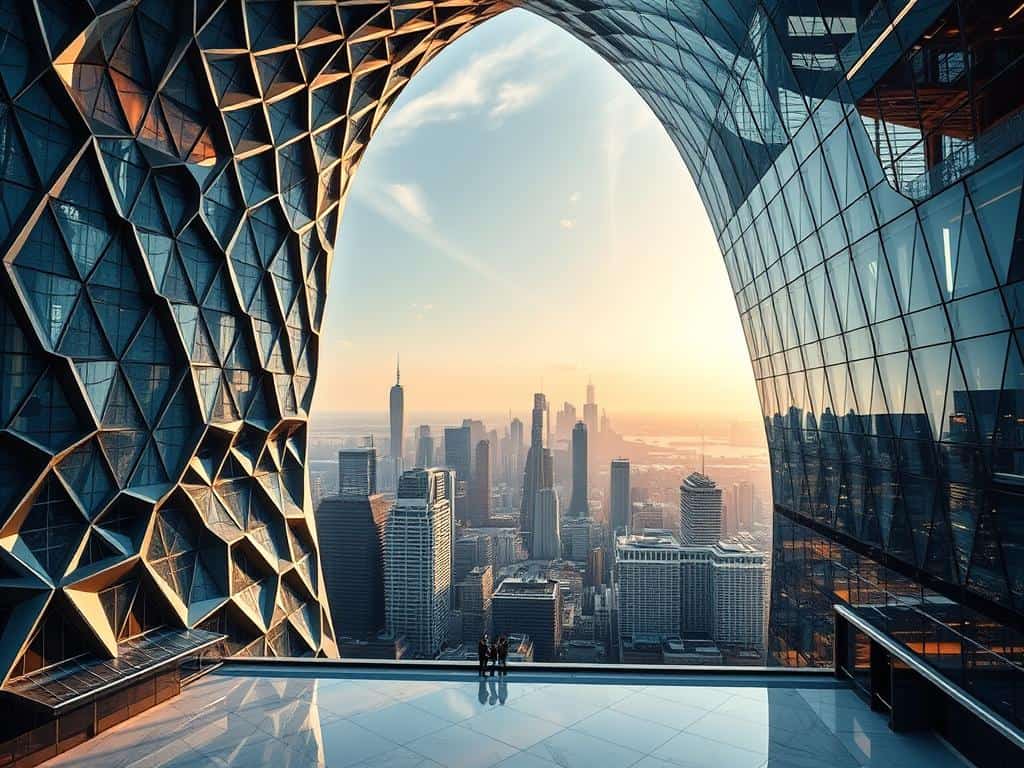
Have you ever seen a building that seemed to curl around itself like a wave? Its design flowed smoothly with the environment. I’ve been amazed by structures that break free from old limits, thanks to parametric design.
This modern method combines computational and generative design. It lets architects explore space and form in new ways. They create buildings that change how we interact with them.
Innovators like Zaha Hadid are leading this change. They show us how creativity and technology can merge. Let’s dive into parametric design and see how it’s changing architecture and art.
Key Takeaways
- Parametric design allows for complex structure creation through computational logic.
- The flexibility of this approach is key for sustainability and performance.
- Architects like Antonio Gaudi and Frei Otto paved the way for modern parametric design.
- Advanced computing has opened up new uses for parametric architecture.
- Algorithmic design boosts precision and creativity, leading to more innovative buildings.
Understanding Parametric Design
Parametric design is a new way to design buildings. It uses algorithms to make buildings that can change easily. Designers can try out many ideas by just tweaking a few settings.
This method uses computer geometry to make designs better. It leads to designs that are not only smart but also look great.
What is Parametric Design?
Parametric design lets architects make complex shapes with a few rules. It uses algorithms to make designs that change with new settings. This makes it easy to try out lots of ideas fast.
Designers like Zaha Hadid use this method to create buildings that stand out. They make buildings that are both new and beautiful.
Key Steps in the Parametric Design Process
The design process starts with setting up rules for the design. Then, designers use software like Autodesk Revit to play with these rules. This leads to a cycle of improvement.
Tools like these make the process faster. They update designs quickly when changes are made. This is great for building and designing furniture, saving time and reducing mistakes.
Historical Background and Influencers
Parametric design has roots in earlier architectural ideas. People like Frei Otto worked on tensegrity structures, showing its value. His work was before computers were used in design.
In 1988, Pro/ENGINEER came out, making parametric design more popular. It changed how architects and engineers work, making complex projects easier to handle.
The Impact of Parametric Design on Architecture
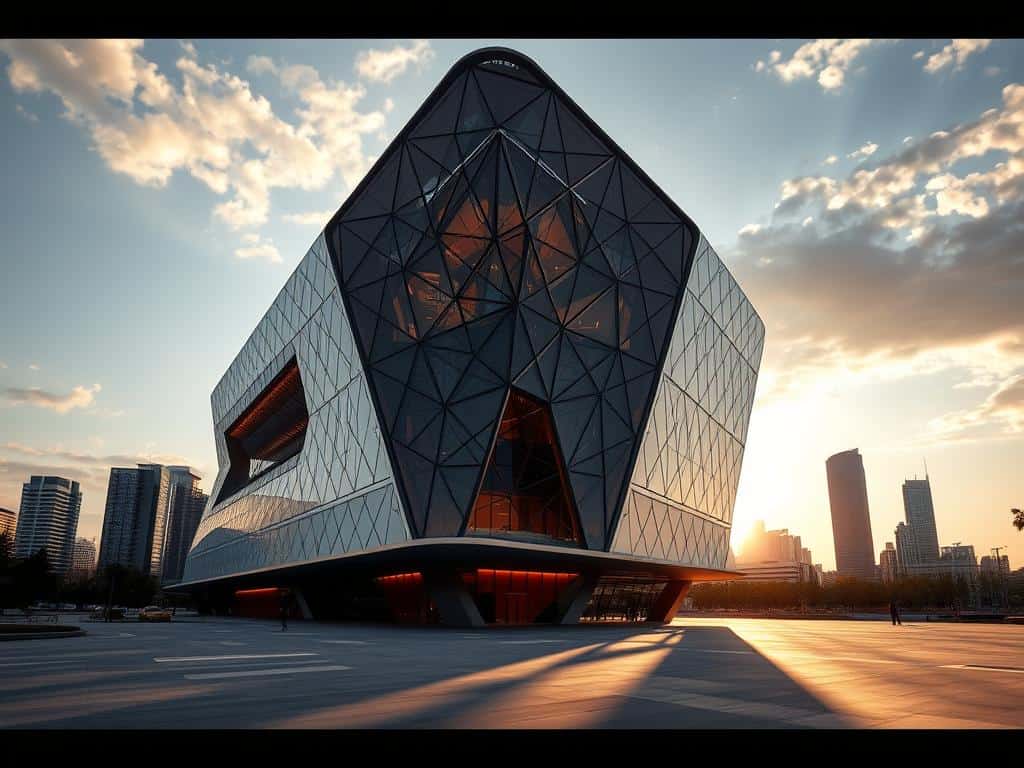
Parametric design is changing architecture in big ways. It uses math to create buildings that look amazing and work well. This design is used in many fields, showing it’s very flexible.
Innovative Applications and Examples
The Heydar Aliyev Center by Zaha Hadid is a great example. It has shapes that break the mold of old architecture. The Shanghai Tower also uses this method to be strong and green.
The Vessel at Hudson Yards is another example. It’s a complex shape that looks great and works well. This shows how design can meet needs and look good.
Benefits: Efficiency, Creativity, and Sustainability
Parametric design brings many benefits. It makes buildings strong and uses less material. Architects can make designs that fit exactly what clients want.
This design also helps the environment. It makes buildings use less energy and fit with nature. It’s a win-win for looks and the planet.
Conclusion
Parametric design is changing architecture in big ways. It’s not just about building looks anymore. It’s about making buildings that can change with the environment.
Take the Beijing National Stadium and the Harbin Opera House. They show how parametric design can make buildings that are both beautiful and practical. These designs use complex shapes that meet both beauty and function needs.
Looking to the future, technology like AI and augmented reality will make parametric design even more important. New tools will help us work together better and make our designs more eco-friendly. This is key in a world where we need to use less and do more with what we have.
But, we need to keep learning and be open to new ideas. The architecture world faces big challenges like using computers and learning new software. We need to teach people from different fields together to innovate.
In short, parametric design is more than just a tool. It’s a way to shape the future of architecture. It helps us create cities that are not just beautiful but also good for the planet.

Leave a Reply
You must be logged in to post a comment.