How UX is Powering the Future of Smart Cities
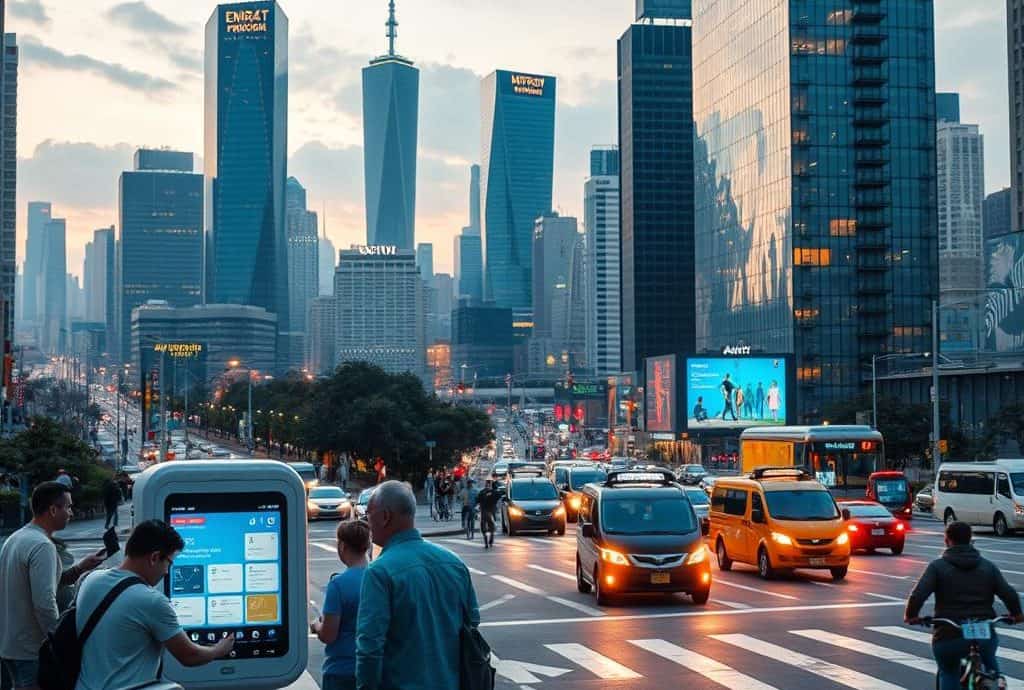
Did you know over 60% of cities plan to use smart city tech in the next five years? This shows how fast cities are moving to use technology to make living better. As we move towards smart cities, making sure technology works for us is key.
By focusing on people, we can make sure tech in cities meets our needs. This means better connectivity and experiences for everyone. The future of cities depends on putting users first in smart city plans.
Key Takeaways
- The demand for smart city technologies is rising, with over 60% of cities planning investments in the coming years.
- Human-centered design is essential for aligning technology with citizen needs in urban environments.
- Enhanced user experience can transform everyday life in cities, making them more efficient and enjoyable.
- The integration of IoT can significantly reduce energy consumption, traffic congestion, and waste management costs.
- Investing in UX can lead to a future where technology seamlessly integrates with urban living.
The Role of User Experience in Smart Cities
Understanding what users need in smart cities is key to success. It’s about knowing what citizens, businesses, and governments want. Research helps find out what people need, leading to smart solutions that fit the community.
Getting people involved helps bring new ideas to the table. This way, everyone’s voice is heard, making cities better for all.
Understanding User Needs and Preferences
It’s not just about asking questions; it’s about really listening. Cities should make information easy to find and hold public meetings. This helps planners and people work together better.
When people help decide, cities become places where everyone feels proud. It’s about making a city that truly belongs to its residents.
Human-Centered Design Principles
Designing with people in mind is essential for smart cities. It means listening to feedback at every step. Using methods like workshops and interviews makes sure solutions work for everyone.
Designing for everyone means making things accessible and easy to use. This way, technology can help all kinds of people, not just some.
UX in Smart Cities: Enhancing Urban Design
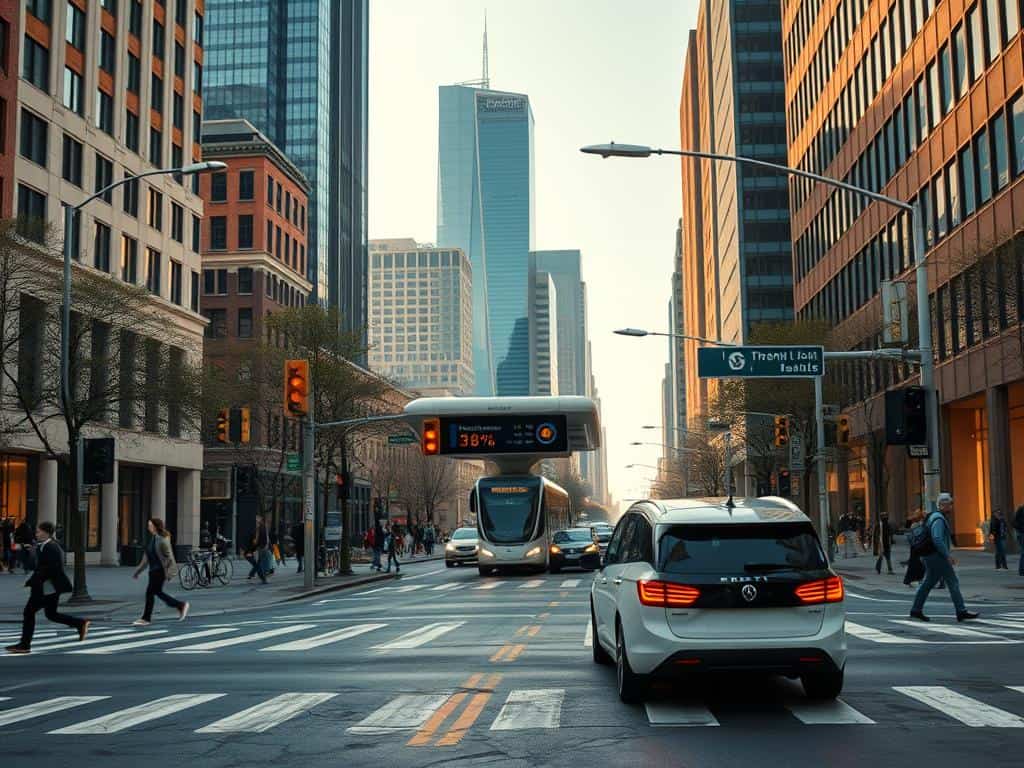
IoT technology is key to better connectivity in cities. As cities grow, we must understand what citizens need. This helps create better urban solutions.
IoT makes cities work together better. It helps with smart traffic and gets people more involved. New tech like 5G and 6G makes data sharing faster, improving travel and resource use.
Integration of IoT for Improved Connectivity
The Indian Smart City Mission focuses on people first. It aims for walkable cities, open spaces, and good governance. Advanced tech makes cities better for everyone.
Using advanced tech, cities can meet everyone’s needs. Tools like subjective mapping help understand what people want. This way, cities can change and meet new needs.
Creating Meaningful Experiences for Residents
Good experiences come from listening to citizens, even in tough spots. Workshops with kids give valuable insights. This shows how cities can improve.
Interactive maps from community feedback help build trust. They make cities more open and connected. By making public services easy to use, cities can improve life quality.
When people get involved, cities become places of connection. This creates a vibrant urban experience for everyone.
Revolutionizing Public Tech through UX Design
Urban technology is changing fast, helping build smart cities that meet everyone’s needs. By using inclusive design, public tech can make sure everyone gets the same chances. This way, every person feels important and heard.
Inclusive Solutions for Diverse Communities
Inclusive design is key in making public tech that works for everyone. It helps those with disabilities and different tech skills by making things easy to use. Training citizens helps them feel part of their community.
This makes a place where everyone feels safe and connected.
Case Studies of Innovative Smart City Projects
Smart city projects show how UX design changes public tech. For example, Singapore’s Smart Nation uses new tech to improve city services. This makes life easier for residents.
Barcelona shows how smart tech can manage things like waste and parking. These examples show how good tech and user engagement make cities better. They make cities safer, more sustainable, and happier for everyone.
Conclusion
User experience (UX) is key in making smart cities better. It helps create places that are connected and efficient. By focusing on people, cities can use technology to meet everyone’s needs.
This isn’t just about adding digital tools. It’s about making cities better places to live. It also helps cities grow in a way that’s good for the planet.
As cities grow, working together is more important than ever. IoT devices help cities use energy better and keep people safe. Good UX design makes these systems easy to use, helping everyone work better together.
The future of smart cities is all about blending tech with daily life. Most city folks want to use digital tools to help manage their city. This makes sure technology makes life better, not harder.
By focusing on UX, cities can build trust and get everyone involved. This means making sure technology is clear and easy to use. It’s all about making cities better for everyone, now and in the future.

Leave a Reply
You must be logged in to post a comment.