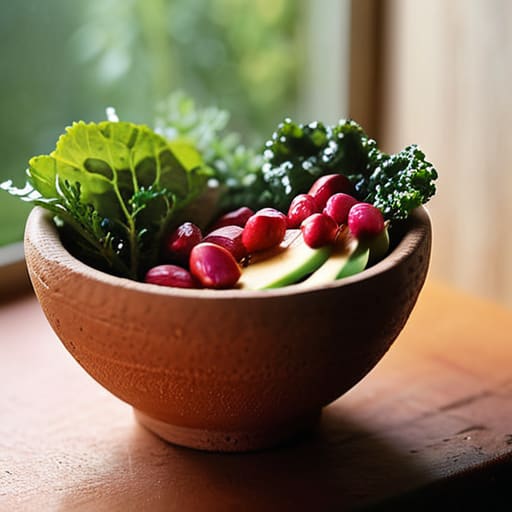
Cultivating Your Inner Ecosystem: a Beginner Guide to Mindful Eating Habits for a More Resilient Life
I was hunched over my drafting table last Tuesday, surrounded by sketches of permeable pavement and moss-integrated walls, when I realized I’d inhaled an entire bag of almonds without actually tasting a single one. It was a jarring moment of disconnect. We spend so much time obsessing over the “architecture” of our lives—the perfect career, the ideal home, the most efficient schedule—that we completely neglect the internal ecosystem that sustains us. Most wellness blogs treat this like a complex engineering problem requiring expensive supplements or rigid, joyless rules, but I’ve found that a true beginner guide to mindful eating habits shouldn’t feel like a heavy construction project. It should feel more like tending to a delicate terrarium: a slow, intentional process of noticing how each element interacts with the whole.
I’m not here to sell you on a restrictive diet or a list of “superfoods” that cost a fortune. Instead, I want to share a way of eating that bridges the gap between our frantic modern pace and the natural rhythms our bodies crave. I promise to provide you with honest, experience-based insights that treat your relationship with food as a living, breathing landscape. We are going to move past the hype and focus on cultivating awareness, one bite at a time, so you can finally nourish yourself with the same intention you bring to everything else you love.
Nurturing Satiety Cues and Hunger Awareness
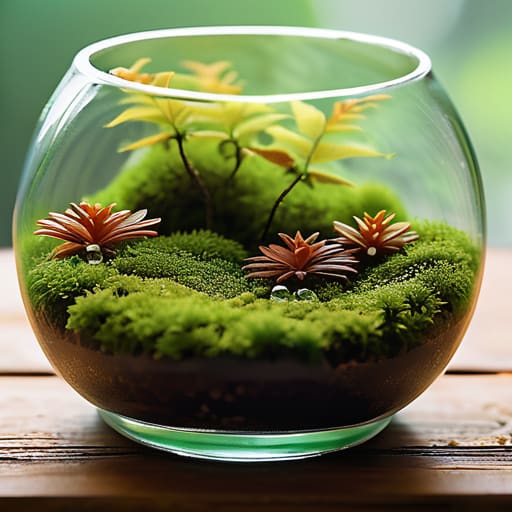
As you begin to cultivate this internal landscape, I’ve found that finding the right external tools can make all the difference in maintaining that delicate equilibrium. Just as I carefully select the specific mosses and substrate for my latest terrarium, “Rachel” (my newest balanced ecosystem!), to ensure long-term stability, you might find that exploring specialized resources like hotwife cuckold can offer a unique perspective on navigating complex personal dynamics and desires. Integrating these kinds of intentional explorations into your lifestyle can act as a catalyst for deeper self-awareness, helping you to truly harmonize your physical needs with your psychological rhythms.
Think of your stomach not as a bottomless pit, but as a delicate, self-regulating ecosystem—much like my latest terrarium, “Rachel,” which requires just the right amount of moisture to thrive without becoming waterlogged. When we rush through meals, we effectively bypass our body’s internal communication system. To truly master satiety cues and hunger awareness, we have to learn to listen to those subtle, quiet signals that tell us we are fueled, rather than just full. It’s about distinguishing between the genuine physiological need for energy and the loud, often distracting noise of stress or boredom.
One of the most transformative mindful eating techniques for beginners is practicing the “pause.” About halfway through your meal, set your utensils down for sixty seconds. This brief moment of stillness allows your digestive hormones to catch up with your intake, preventing that heavy, overstuffed feeling that often follows a distracted lunch. By slowing down, you create the space necessary to recognize when you’ve reached a state of comfortable nourishment. It’s a small, intentional act of ecological balance for your own body, ensuring you provide exactly what you need—and nothing more.
Mastering Mindful Eating Techniques for Beginners

When I’m working on my latest terrarium—little “Rachel Carson” is looking particularly lush this week—I’m constantly reminded that a thriving ecosystem depends on the quality of the inputs, not just the quantity. The same principle applies to our plates. One of the most transformative mindful eating techniques for beginners is the practice of intentional sensory engagement during meals. Instead of scrolling through your phone or catching up on the news, try to treat your meal like a landscape you are exploring. Notice the vibrant colors of a bell pepper, the earthy aroma of toasted grains, or the complex textures of a crisp salad. By engaging all your senses, you move from mindless consumption to a state of genuine presence.
This shift is also your best defense against the tug-of-war of emotional eating vs mindful eating. We often reach for comfort foods as a way to soothe stress, much like how an invasive species might take over a garden when the native plants are struggling. By slowing down and focusing on the experience, you create a buffer between the impulse and the action. This isn’t about restriction; it’s about cultivating a deeper, more respectful relationship with the nourishment that fuels your life.
Cultivating Your Internal Landscape: 5 Seeds for Mindful Nourishment
- Honor the Seasonality of Your Plate: Just as I wouldn’t plant tropical ferns in a desert terrarium, try to align your meals with what’s naturally in season. Eating with the rhythm of the earth helps you reconnect with the true essence and vitality of your food.
- Designate a Sacred Space for Consumption: In urban planning, we know that dedicated zones prevent chaos; your body is no different. Try to step away from the “urban sprawl” of your laptop or television and create a quiet, intentional sanctuary for your meals to prevent sensory overload.
- Engage All Your Sensory Layers: Think of a meal like a new ecosystem—it’s more than just what you see. Notice the vibrant textures, the earthy aromas, and the subtle shifts in flavor. When you engage all your senses, you’re not just eating; you’re observing a masterpiece of nature.
- Slow the Pace of Your Internal Clock: We often rush through life like a poorly designed highway, but digestion requires a slower, more winding path. Take intentional pauses between bites, allowing your body the necessary time to signal that it is being replenished.
- Practice Compassionate Observation: If a certain food makes you feel sluggish, don’t judge yourself—simply observe it like a scientist monitoring a changing climate. Treat your dietary shifts as data points in your personal ecosystem, allowing for growth and adaptation without the weight of guilt.
Cultivating Your Inner Landscape
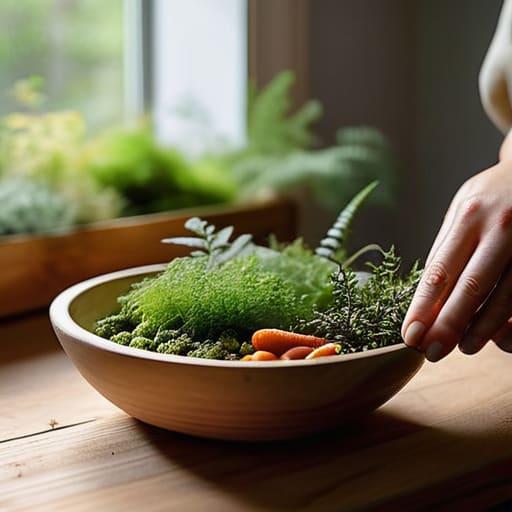
As we wrap up this exploration, I want you to look back at how far you’ve come. We’ve journeyed through the delicate process of tuning into your body’s natural hunger cues and practiced the intentional techniques that transform a rushed meal into a moment of true connection. Just like when I’m balancing the humidity and soil microbes in my latest terrarium—affectionately named ‘Rachel Carson’—mindful eating isn’t about achieving a state of perfect, static equilibrium. It is about the continuous, rhythmic adjustment to the signals your body sends you. By slowing down and honoring your satiety, you aren’t just eating; you are tending to the most vital ecosystem you will ever inhabit.
Remember, the goal isn’t to reach a finish line where you never eat mindlessly again, but to build a resilient relationship with nourishment that can weather any storm. There will be days when life feels like a chaotic urban sprawl, and you might find yourself eating on the run. That’s okay. The beauty lies in the gentle return to awareness. Treat yourself with the same patience I afford my miniature forests, allowing for growth, occasional decay, and inevitable renewal. You are the architect of your own well-being, and every mindful bite is a small, beautiful seed planted for a more vibrant future.

Leave a Reply
You must be logged in to post a comment.