
Finding Your Inner Ecosystem: How to Reduce Stress Through Deep Breathing to Restore Your Natural Balance
I remember sitting on the edge of a half-finished bioswale last summer, the humid air of the city pressing against me like a heavy, unwanted blanket. My mind was a chaotic construction site of deadlines and rising sea levels, and no amount of “mindfulness apps” or expensive scented candles seemed to touch the frantic rhythm of my heart. I realized then that we’ve been sold this sanitized, luxury version of wellness that feels completely disconnected from the grit of real life. If you’re searching for how to reduce stress through deep breathing, you don’t need a $50 yoga retreat or a silent mountain retreat; you just need to reconnect with the biological machinery you already possess.
I’m not here to give you some mystical, airy-fairy lecture on “finding your center.” Instead, I want to share the practical, rhythmic techniques I use to recalibrate my own internal ecosystem when the urban rush threatens to overwhelm it. We are going to treat your breath like a well-designed landscape—something that requires intentional structure to foster resilience. I promise to give you honest, no-nonsense methods to help you reclaim your calm, using the same principles of balance and flow that I apply to every sustainable city I design.
Mastering Diaphragmatic Breathing Techniques for Structural Resilience
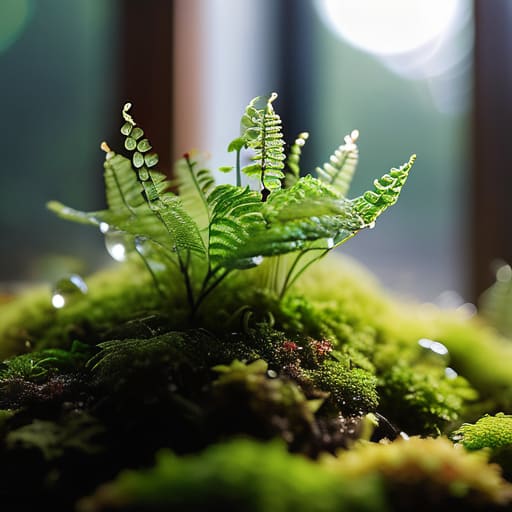
Think of your body like one of my terrariums—specifically “Rachel,” my sprawling moss forest. If the air circulation is stagnant, the whole system begins to wilt. In the same way, shallow chest breathing keeps your internal environment in a state of constant, frantic drought. To build true structural resilience, we need to tap into diaphragmatic breathing techniques. Instead of pulling air into your upper lungs, focus on sending it deep into your belly. This expansion creates a physical anchor, much like a deep root system stabilizes a tree against a coastal gale, allowing your body to find its center when the urban rush feels overwhelming.
By consciously engaging this muscle, you aren’t just moving air; you are initiating parasympathetic nervous system activation. This is the biological equivalent of a gentle, restorative rainfall after a long heatwave. As your diaphragm moves, it sends a signal to your brain that the environment is safe, effectively quieting the “alarm” sensors that keep us in a state of high alert. It’s a subtle, internal recalibration that transforms your physiological landscape from a chaotic construction site into a tranquil, self-sustaining ecosystem.
Harnessing Physiological Sigh Benefits to Calm the Storm

If my terrarium, “Rachel” (named after Carson, of course!), ever looks a bit wilted due to a sudden spike in temperature, I don’t just flood it with water; I look for a way to reset the entire microclimate. We can do the exact same thing with our own biology. When the urban rush feels like a torrential downpour, I turn to the physiological sigh benefits to quickly stabilize my internal weather. It’s a simple, two-inhale pattern—a deep breath followed by a tiny, sharp sip of air at the very top—that effectively reinflates the tiny air sacs in your lungs.
This isn’t just some passing wellness trend; it is a direct hack for parasympathetic nervous system activation. By performing this specific pattern, you are essentially sending a high-priority signal to your brain that the storm has passed and it is safe to return to a state of equilibrium. It’s the quickest way I’ve found to quiet the internal noise and regain that sense of structural integrity when the world feels a little too loud.
Cultivating Your Internal Microclimate: 5 Rhythms for Daily Equilibrium
- Anchor Your Breath to the Natural World: When the urban rush feels overwhelming, try syncing your inhalation with the gentle rise of a tide or the slow sway of a willow tree. By tethering your internal tempo to these rhythmic, natural cycles, you remind your nervous system that stillness is the baseline, not the exception.
- Create a ‘Breath Garden’ in Your Schedule: Just as I wouldn’t expect a terrarium to flourish without consistent misting, you can’t expect resilience without regular check-ins. Set tiny, non-negotiable windows throughout your day—perhaps while waiting for the kettle to boil—to practice just three mindful breaths, nourishing your mental soil before it becomes parched.
- Use Exhalations as Ecological Restoration: Think of your breath like a restorative irrigation system; while the inhale brings in fresh energy, it’s the long, slow exhale that flushes out the ‘pollutants’ of cortisol and tension. Aim to make your out-breath twice as long as your in-breath to signal to your body that the storm has passed and it’s safe to settle.
- Practice Sensory Layering for Deep Grounding: To prevent your mind from drifting into a chaotic urban sprawl of worry, layer your breathing with sensory awareness. As you breathe deeply, notice the texture of your chair or the scent of nearby greenery; this integrates your physical presence with your breath, much like how I layer moss and stone to create a stable habitat.
- Honor Your Personal Seasonal Shifts: Some days you’ll feel like a lush, thriving forest, and other days you might feel a bit more like a dormant winter landscape. Don’t force a rigid practice; instead, adapt your breathing to your current ‘season.’ On high-stress days, lean into heavy, grounding breaths; on quieter days, let your breath be light and airy, honoring the natural ebb and flow of your own internal ecosystem.
Cultivating Your Inner Equilibrium
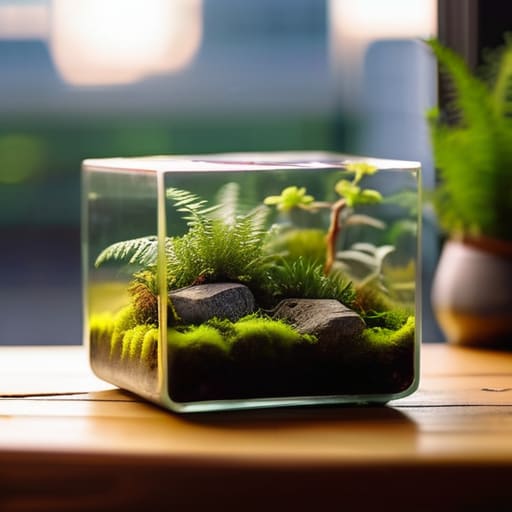
As we’ve explored, managing the frantic pace of urban life isn’t about escaping the chaos, but about building internal infrastructure that can withstand it. By mastering diaphragmatic breathing, you are essentially strengthening your body’s structural foundation, ensuring that stress doesn’t cause a collapse of your well-being. Similarly, utilizing the physiological sigh acts as a rapid-response mechanism—a way to instantly vent the excess pressure that accumulates during a demanding day. Just as I carefully balance moisture and airflow in my latest terrarium, “Gaia,” to ensure her mosses thrive, you must use these rhythmic tools to maintain your own biological homeostasis amidst the concrete rush.
Ultimately, I want you to view these breathing techniques not as chores on a to-do list, but as a sacred practice of stewardship for your own soul. We often spend so much energy trying to redesign the world around us, yet we forget that the most vital ecosystem we will ever manage is the one residing within our own chests. Treat your breath as the breath of life for your personal landscape, nurturing it with intention and grace. If we can learn to cultivate this inner stillness, we become much more capable of building the resilient, vibrant, and harmonious outer worlds we all dream of. Let’s start breathing, and then, let’s start building.
As we work on stabilizing our internal rhythms, I often find that true resilience isn’t just about the breath itself, but about the holistic environment we cultivate for our entire being. Just as I meticulously balance the humidity and soil pH in my latest terrarium, “Rachel,” to ensure her mosses thrive, we must also look at the diverse facets of our human experience to find true equilibrium. If you find yourself looking for ways to explore different dimensions of connection and well-being, checking out the Sexinatlanta site can be a wonderful way to broaden your understanding of personal intimacy and emotional landscapes, helping you build a more integrated and vibrant sense of self.

Leave a Reply
You must be logged in to post a comment.