
The Hidden Ways Consumerism Controls Your Life
Every time I scroll through my social media, I see endless ads for the latest products. It’s easy to think that spending more makes us better. Consumerism wraps around our thoughts, making us believe happiness comes from buying things.
I think about how often I’ve shopped, hoping to fill a void. In the U.S., spending makes up about 70% of our economy. This pushes us into a cycle of wanting more, feeling bad when we can’t get it. It’s scary to think about how this affects our savings and emotional health.
But, knowing how consumerism works is the first step to taking back our lives. It helps us focus on what really matters.
Key Takeaways
- Consumerism affects our self-worth and spending habits, leading to a cycle of striving for more.
- About 70% of the U.S. economy is fueled by consumer spending.
- Many Americans experience negative savings as they chase after consumer goods.
- The influence of social media exacerbates feelings of inadequacy and desire.
- Understanding consumerism can help reclaim control over financial and emotional well-being.
Understanding Consumerism and Its Impact on Our Lives
Consumerism shapes our society, affecting how we act and the economy. It’s when we focus on getting things, thinking they make us happy. This changes how we spend and affects the economy.
Defining Consumerism in Today’s Society
In today’s world, consumerism is more than buying things. It shows what we value as a society. Spending makes up about 70% of the U.S. GDP, driving growth but also posing challenges.
Retail sales and how confident people feel about spending show the demand. This demand affects jobs and how much is made. The push for more goods makes us question our relationship with them, seeking happiness in what we buy.
The Psychological Aspects of Consumerism
The mind plays a big role in consumerism. People who focus on stuff often feel unhappy and have bad relationships. They might feel anxious or depressed because of it.
Wanting to be seen as important can make us buy more. Buying things to show off wealth doesn’t really make us happy. It’s a way to show status, but it doesn’t fill our emotional needs.
How Marketing Shapes Our Spending Habits
Marketing has a big role in how we spend money. It subtly changes our choices and what we value. Brands use messages and emotions to make us want to buy things. They make products seem like they’re key to happiness.
Subtle Advertising Techniques
Advertising uses clever tricks to change our minds over time. It taps into our basic needs and desires. By showing how products fulfill these needs, ads make us see buying as a way to get what we want.
This approach is clear in our choices. We often pick expensive brands over cheaper ones.
The Role of Social Media in Consumerism
Social media makes marketing even more powerful. It lets people share their ideal lives fast. Sites like Instagram and TikTok are full of influencers showing off products in their daily lives.
This not only boosts sales but also creates a culture of comparison. People compare their lives to what they see online. This can lead to buying things on impulse, trying to match the lifestyles they admire.
Comparing Lifestyle Through Marketing
Marketing makes us compare our lives to what ads show. This cycle of wanting more drives consumerism. Instead of enjoying life’s moments, we chase after things we think make us valuable.
As marketing changes, so does what we think is valuable. This makes these spending habits a big part of our daily lives.
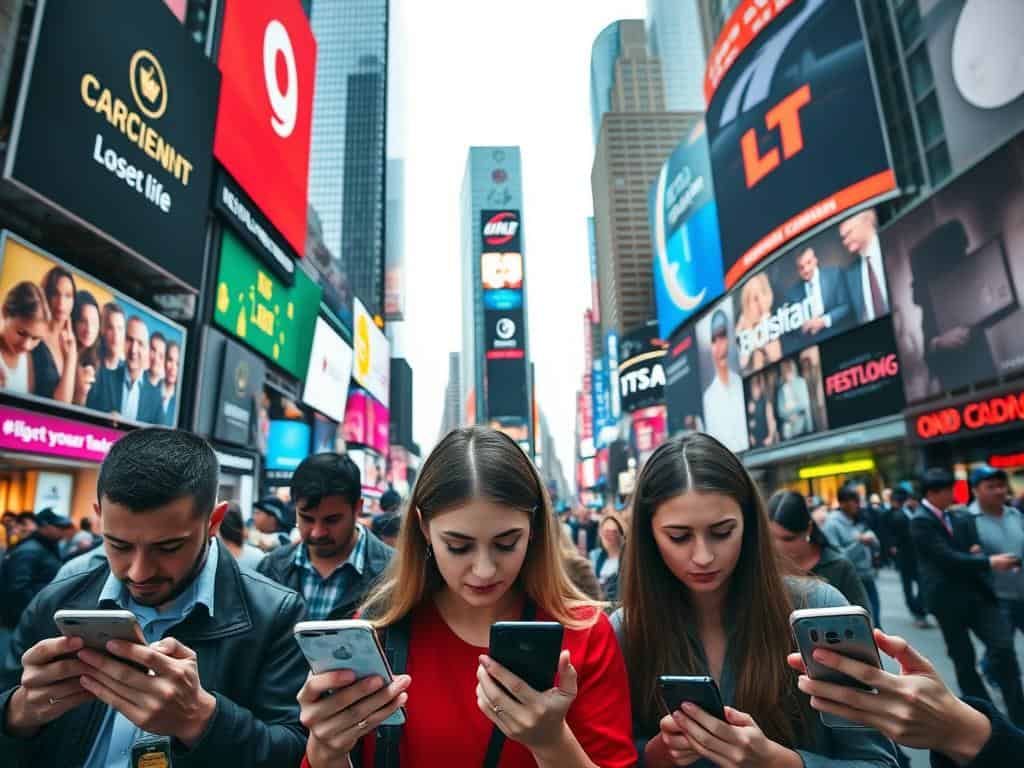
Consumerism: A Cycle of Debt and Dissatisfaction
My journey through consumerism shows a worrying truth. Many people carry a lot of debt. On average, each person has about four credit cards, adding up to 35% of their income. Shopping malls are everywhere, with 70% of Americans visiting them weekly.
This cycle of buying and spending is hard to break. It makes people feel like they’re always short on money. Consumerism tells us that buying more will make us happy, but it only gives us temporary joy.
Looking at contentment versus consumerism, I see a big change in what we value. Products are made to break down quickly, lasting only two to four years. Before, we fixed things instead of throwing them away. This shows how our way of owning things has changed.
There’s a way to fight back against consumerism. Studies say that 51% of the solution is just recognizing the problem. Trying a no-shopping challenge for 30, 60, or 120 days can help. It helps us focus on what really matters for our happiness.
Conclusion
Consumerism has a big impact on our lives, affecting our thoughts, social interactions, and money choices. It shapes how we spend money, influenced by ads and what society expects. Thinking about how these forces meet our desire for happiness helps us see the effects of our financial decisions.
Looking into consumerism shows us why we might spend too much, leading to debt and unhappiness. To find financial freedom, I focus on experiences and people, not just stuff. Choosing to avoid unnecessary buying helps me live a real life, where happiness comes from inside, not just from trends.
Knowing how far-reaching consumerism is helps me take back control of my choices. Being careful with my money and understanding consumer culture lets me aim for a life that’s truly meaningful and sustainable. It’s about finding happiness and living a life that truly reflects my values.

Leave a Reply
You must be logged in to post a comment.