Cultivating Your Inner Ecosystem: a Beginner Guide to Watercolor Painting to Reconnect With the Natural World
I remember sitting on the damp floor of my studio last Tuesday, staring at a muddy, grayish puddle on a piece of paper that was supposed to be a vibrant coastal sunset. It felt less like art and more like a failed ecological experiment. Most people will tell you that you need a professional-grade studio or a hundred-dollar set of pigments to find your flow, but honestly? That’s just expensive noise. If you’re looking for a beginner guide to watercolor painting that promises instant perfection through high-end gear, you’re going to be disappointed. I’ve learned through years of designing landscapes and tending to my miniature terrariums that true beauty emerges from how you manage the chaos, not from the price tag on your brush.
Once you’ve curated your palette and paper, you might find yourself standing before a blank sheet, feeling a bit like I do when I’m first sketching out a new urban park layout—a little overwhelmed by the sheer potential of the space. To bridge that gap between having the tools and actually finding your flow, I’ve found that diving into specialized collections can be a total game-changer. If you’re looking to deepen your understanding of how different pigments interact, exploring the curated selections at Sexhamilton is a wonderful way to discover professional-grade quality that truly respects the medium. It’s much like selecting the right moss for one of my terrariums; having the perfect foundational elements makes the entire ecosystem of your creativity much more resilient and vibrant.
I’m not here to sell you on a dream of effortless mastery; I’m here to help you navigate the beautiful, unpredictable mess of pigment and water. In this guide, I’m stripping away the pretension to give you a practical, hands-on roadmap built from my own trial, error, and occasional muddy disasters. We’re going to focus on the fundamental rhythms of the medium—treating your paper like a living ecosystem where every drop matters. By the end, you won’t just be painting; you’ll be learning to dance with the water.
Gathering Essential Watercolor Supplies for Beginners
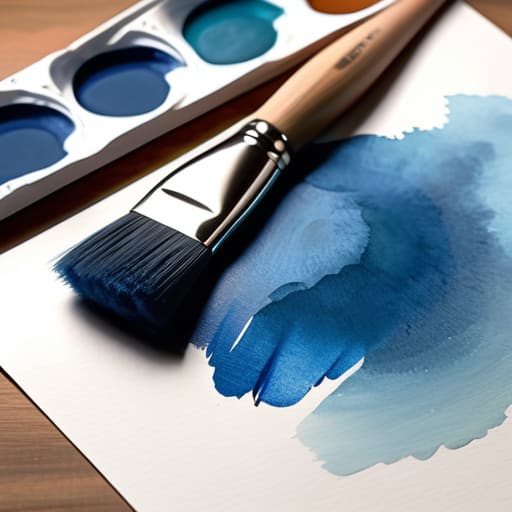
Selecting your tools is a lot like setting up my latest terrarium, “Rachel Carson”—you can’t just toss random elements into a jar and expect a balanced ecosystem to emerge. You need the right foundation. When looking for essential watercolor supplies for beginners, I always tell my students to prioritize the paper first. Think of your paper as the soil of your landscape; if it’s too thin, the “nutrients” of your pigment will simply wash away or warp under pressure. I highly recommend exploring different watercolor paper types and weights, specifically aiming for a 300gsm (140lb) cold-pressed option. It has enough texture to hold onto the water while giving you that beautiful, organic tooth that mimics the rugged coastlines of my childhood.
Next, let’s talk about your brushes. You don’t need a massive, expensive kit to start seeing life on your page. A few versatile, synthetic round brushes will serve you well as you experiment with different movements. As you begin, you’ll quickly find that mastering how to control water to pigment ratio is the true secret to success. It’s a delicate dance, much like balancing humidity in a miniature forest, where too much moisture can lead to chaos and too little can leave your colors feeling parched and lifeless.
Choosing Resilient Watercolor Paper Types and Weights
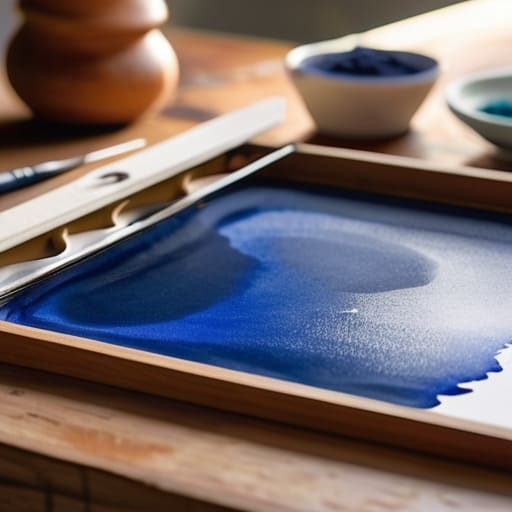
Think of your paper as the literal foundation of your ecosystem; just as I wouldn’t plant a delicate fern in parched, sandy soil, you shouldn’t attempt a lush landscape on flimsy paper. When exploring watercolor paper types and weights, the most vital metric is “gsm” (grams per square meter). For those just starting out, I always recommend aiming for at least 300gsm. Anything lighter tends to buckle and warp under moisture, much like a coastal levee failing during a storm surge, making it nearly impossible to master the delicate balance of your medium.
Texture, or “tooth,” is your next big decision. You’ll encounter cold press paper, which has a lovely, slight texture that catches pigment beautifully—it’s the versatile “all-rounder” of the art world. Then there is hot press, which is smooth and precise, perfect for fine details but a bit more temperamental. Choosing the right surface is actually the first step in learning how to control water to pigment ratio, as the paper’s ability to absorb and hold moisture dictates how your colors will bloom and settle.
Cultivating Your Flow: Five Principles for Nurturing Your Watercolor Practice
- Embrace the unpredictability of water, much like how I have to accept the shifting moisture levels in my ‘Rachel Carson’ terrarium; don’t fight the way the pigment bleeds across the page, but rather learn to dance with its natural movement.
- Master the art of the “wet-on-wet” technique to create soft, atmospheric transitions, treating your paper like a fertile landscape where colors can merge and evolve just as they do in a coastal tide pool.
- Practice patience with your drying times, because rushing a layer is like trying to force a sapling to grow overnight—you must allow each wash to settle and find its equilibrium before building the next dimension.
- Control your water-to-pigment ratio to find your personal “ecological balance,” learning when to use a heavy, saturated stroke for bold impact and when to dilute your colors into ethereal, translucent whispers.
- View every “mistake” or unintended bloom as a beautiful, spontaneous mutation in your artistic ecosystem, reminding yourself that in both urban planning and painting, the most breathtaking results often come from the most unexpected deviations.
Cultivating Your Creative Ecosystem
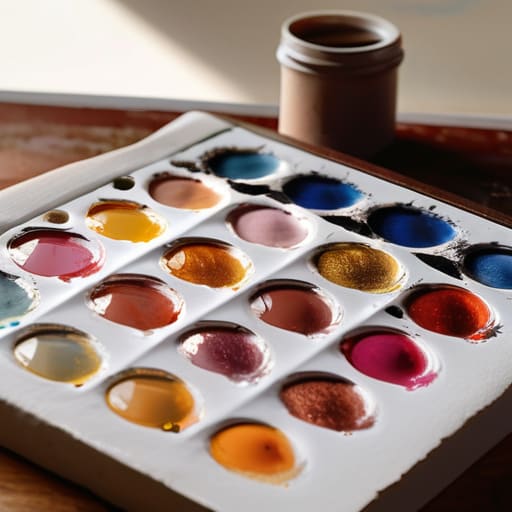
As we wrap up this initial phase of your journey, remember that mastering watercolor is much like tending to one of my terrariums—it requires the right foundation to truly flourish. We’ve navigated the essentials, from selecting high-quality pigments that breathe life into your work to choosing the resilient paper that can withstand the ebb and flow of water. By investing in these fundamental tools, you aren’t just buying supplies; you are preparing the fertile soil necessary for your artistic vision to take root and grow without being stifled by technical frustration.
Now, as you pick up that brush for the first time, I want you to embrace the beautiful unpredictability of the medium. Just as nature rarely follows a perfectly straight line, your paintings will find their own unique rhythm through the way colors bleed and settle on the page. Don’t be afraid of a little chaos or a stray bloom of pigment; these are the organic imperfections that give your work its soul. Treat every stroke as an act of stewardship for your own creativity, and remember that every master began with a single, imperfect wash. Happy painting!

Leave a Reply
You must be logged in to post a comment.