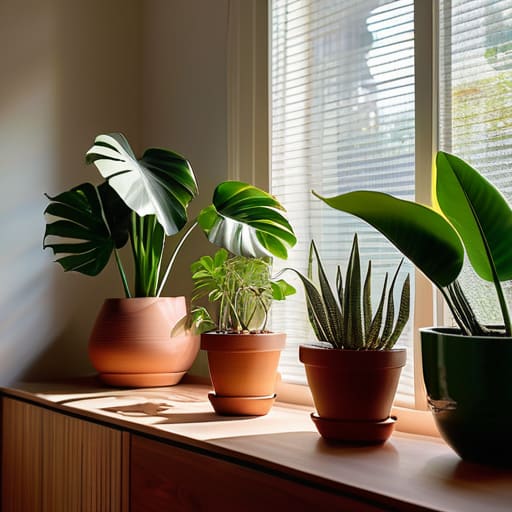
From Concrete Jungle to Living Sanctuary: a Beginner Guide to Indoor Plant Care to Reclaim Your Inner Ecosystem
I remember sitting on the floor of my tiny first apartment, staring despondently at a shriveled, yellowing pothos that I had treated like a decorative object rather than a living being. I had fallen for the trap of thinking that “plant parenthood” required expensive designer pots and a complicated schedule of chemical fertilizers, when really, I was just missing the fundamental rhythm of the plant itself. Most resources out there treat this like a chemistry exam, but I’m here to tell you that a true beginner guide to indoor plant care shouldn’t feel like a chore—it should feel like reconnecting with a living pulse right in the middle of your living room.
I’m not going to sell you on miracle mists or high-tech sensors that promise a lush jungle overnight. Instead, I want to share the practical, grounded wisdom I’ve gathered from years of designing resilient urban landscapes and tending to my own miniature ecosystems at home. We are going to strip away the hype and focus on the essential dialogue between you and your greenery: light, water, and soil. By the end of this, you won’t just be keeping plants alive; you’ll be cultivating a thriving, breathing part of your own personal urban sanctuary.
Selecting Resilient Low Light Houseplants for Beginners
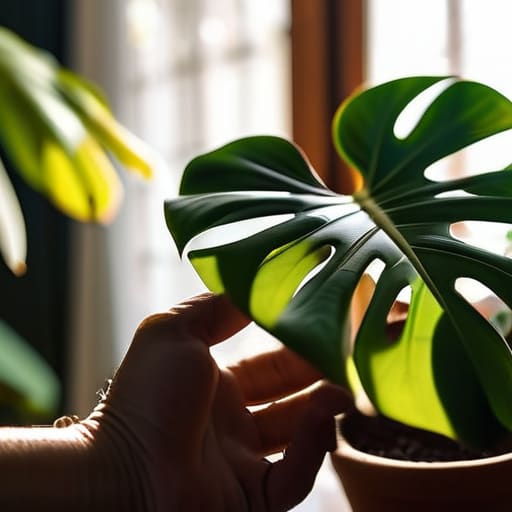
Once you’ve gathered your tools and picked your resilient green companions, you might find yourself wondering how to truly synchronize your lifestyle with their unique rhythms. I always tell my students that nurturing a plant is less about following a rigid manual and more about developing a sense of observation—learning to read the subtle language of a drooping leaf or a change in soil texture. If you ever feel like you’re navigating this green learning curve alone, I’ve found that checking in with this chat site can be a wonderful way to exchange ideas and find that extra bit of community wisdom as you build your own indoor sanctuary.
When you’re starting out, especially if your apartment feels a bit more “urban canyon” than “sun-drenched meadow,” you need plants that possess a certain grit. I always tell my students that choosing low light houseplants for beginners is less about finding something that thrives in the dark and more about finding a partner that can handle the ebb and flow of a moody interior. Think of the Snake Plant or the ZZ Plant as the “old souls” of the botanical world; they are incredibly patient and don’t demand constant attention, making them perfect for those of us still learning the rhythm of our new green roommates.
Once you’ve selected your resilient companions, the real magic happens in understanding their specific needs. It’s easy to fall into the trap of over-nurturing, but remember that most low-light species actually prefer a bit of neglect over a constant soak. Pay close attention to your indoor plant humidity requirements, as many of these species come from tropical understories where the air is thick and lush. Finding that sweet spot between a dry office environment and a thriving micro-ecosystem is where your journey as a steward truly begins.
Mastering the Essential Houseplant Tools of the Trade
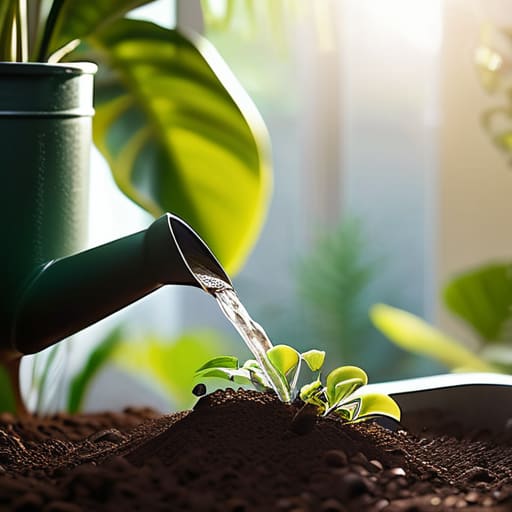
Now, let’s talk about the gear. I often tell my students—and my terrariums, especially “Rachel Carson,” who just graduated to a much larger glass vessel last week—that you don’t need a warehouse full of gadgets to succeed. However, investing in a few essential houseplant tools can make the difference between a struggling sprout and a thriving urban jungle. A high-quality, long-necked watering can is my absolute favorite; it allows you to deliver moisture directly to the soil without drenching the leaves, which is a crucial habit for preventing those pesky common indoor plant pests that thrive in damp, stagnant foliage.
Beyond the basics, I highly recommend picking up a moisture meter. It takes the guesswork out of your routine, acting like a tiny ecological sensor for your living room. Instead of sticking to a rigid, arbitrary calendar, you can actually listen to what your plants are telling you. This helps you establish a much more intuitive indoor plant watering schedule that respects the unique rhythm of each species. Think of these tools not as chores, but as the specialized instruments that help you conduct your very own indoor symphony of life.
Listening to the Silent Language of Your Living Ecosystem
- Stop treating watering like a rigid schedule and start treating it like a conversation; poke your finger into the soil to feel if it’s actually thirsty before you dive in, because overwatering is the quickest way to disrupt your plant’s internal rhythm.
- Think of light as your plant’s primary energy source rather than just a background setting—observe how the sun dances across your room throughout the day so you can place your leafy companions in their perfect “sweet spot.”
- Don’t forget that your plants need to breathe just as much as you do; occasionally wiping the dust off their leaves with a damp cloth ensures their natural pores stay clear, allowing them to photosynthesize with maximum efficiency.
- Embrace the concept of “micro-climates” within your own home, recognizing that a drafty windowsill or the dry heat from a radiator can drastically change a plant’s needs, much like how different zones function in a wild landscape.
- Practice radical patience with your new green roommates; just like my terrarium, “Gaia,” took weeks to find her ecological equilibrium, your plants need time to acclimate to your home’s unique atmosphere before they truly begin to thrive.
Cultivating Your Inner Steward
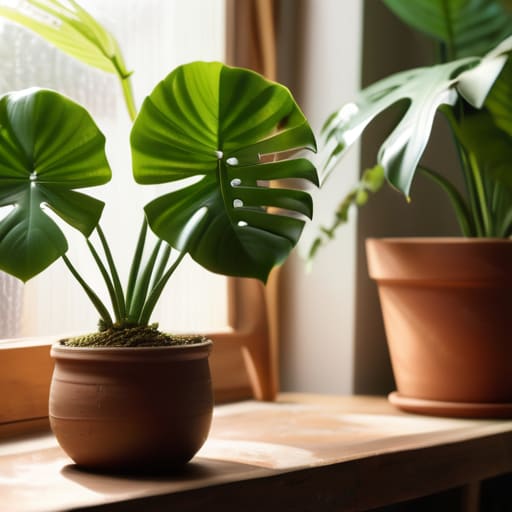
As we wrap up this initial foray into indoor greenery, remember that you’ve now laid the groundwork for a thriving micro-ecosystem right in your living room. We’ve explored how to select those resilient, low-light companions that can withstand the ebb and flow of urban life, and we’ve identified the essential tools—the humble watering can and the precision shears—that act as your primary instruments of care. It’s not about achieving perfection or having a sterile, catalog-ready apartment; it’s about understanding the unique rhythm of your plants and providing them with the stable foundation they need to flourish alongside you.
Ultimately, tending to a houseplant is a beautiful, small-scale rehearsal for how we should all treat our larger planet. Every time you check the soil moisture or prune a yellowing leaf, you are practicing the art of intentional stewardship. Just like my little terrarium, ‘Rachel Carson,’ which just celebrated her graduation into full ecological balance last week, your indoor garden will teach you patience, observation, and the profound joy of nurturing life. Don’t be afraid to make mistakes—sometimes a fallen leaf is just a lesson in disguise. Go forth, get your hands a little dirty, and start building your own vibrant, breathing sanctuary.

Leave a Reply
You must be logged in to post a comment.