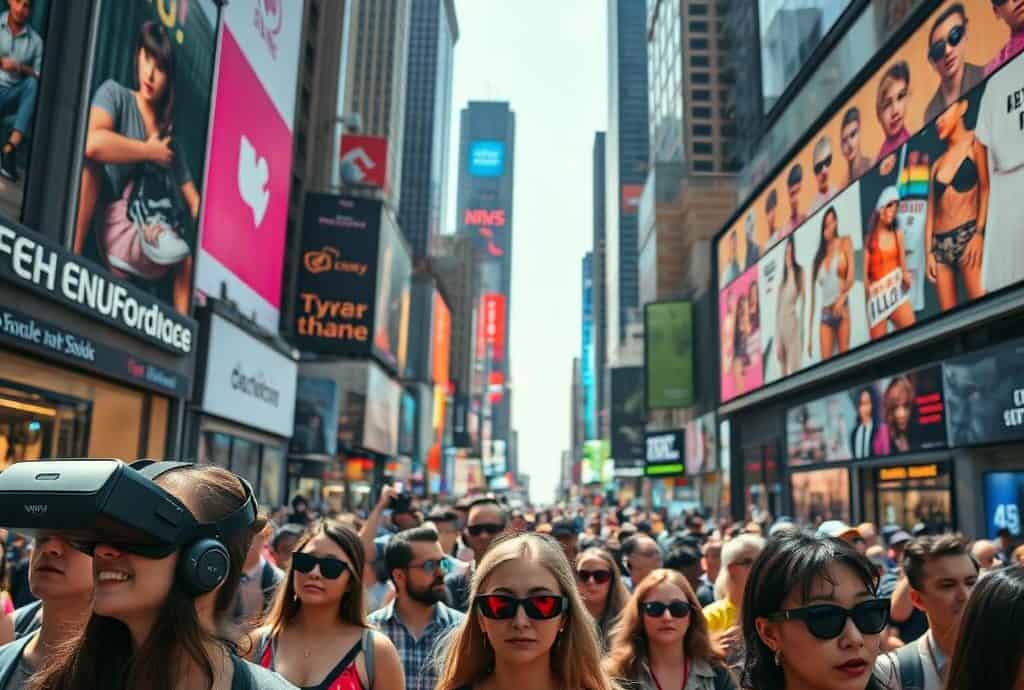
Why Society Falls for Trends That Make No Sense
Have you ever found yourself swept up in a trend and later wondered, “Why did I think that was a good idea?” From viral dance challenges on TikTok to oversized leather jackets, trends can catch us off guard. I once bought shoes everyone was talking about, only to find they were uncomfortable and impractical. It was a clear case of following the crowd without thinking for myself.
Our desire for acceptance and belonging makes us follow trends, even when they don’t make sense. In today’s world, trends can spread fast, thanks to social media. The quick rise of athleisure shows how we seek comfort in a fast-paced world.
Exploring why we follow trends reveals a lot about our emotions and how we interact with others. It’s important to understand why we often choose trends over logic. Let’s dive into the mystery of why we’re drawn to the absurd in our daily lives.
Key Takeaways
- Trends often reflect our quest for acceptance and belonging.
- Social media accelerates the emergence and decline of trends.
- Irrational trends can lead to unwise consumer choices.
- Individual motivations intersect with social influences.
- The rise of athleisure demonstrates a shift towards comfort in style.
- Recognizing the psychological factors can help us navigate trends wisely.
The Psychology Behind Trends & Fads
Understanding trends shows us why we get caught up in fads. Peer pressure is a big factor, making us act and buy things to fit in. Social dynamics play a huge role, as I’ve seen trends spread fast among friends.
The Role of Peer Pressure and Social Influence
Recently, weird trends like cottagecore and glazed-doughnut nails have become popular. They’re driven by peer influence and social media. People often join trends to avoid feeling left out.
I was drawn to the coastal cowgirl look for the sense of belonging it gave me. It wasn’t just about the style, but feeling part of a group.
Emotional Decisions Over Rational Thinking
When it comes to trends, emotions often win over logic. The joy of being part of a community and feeling validated is strong. Trends like strawberry makeup brought me joy and a sense of belonging.
This emotional tie to trends can be comforting. It’s a way to connect with others in a fast-changing world. Micro trends have made it easier to find communities that share our interests.
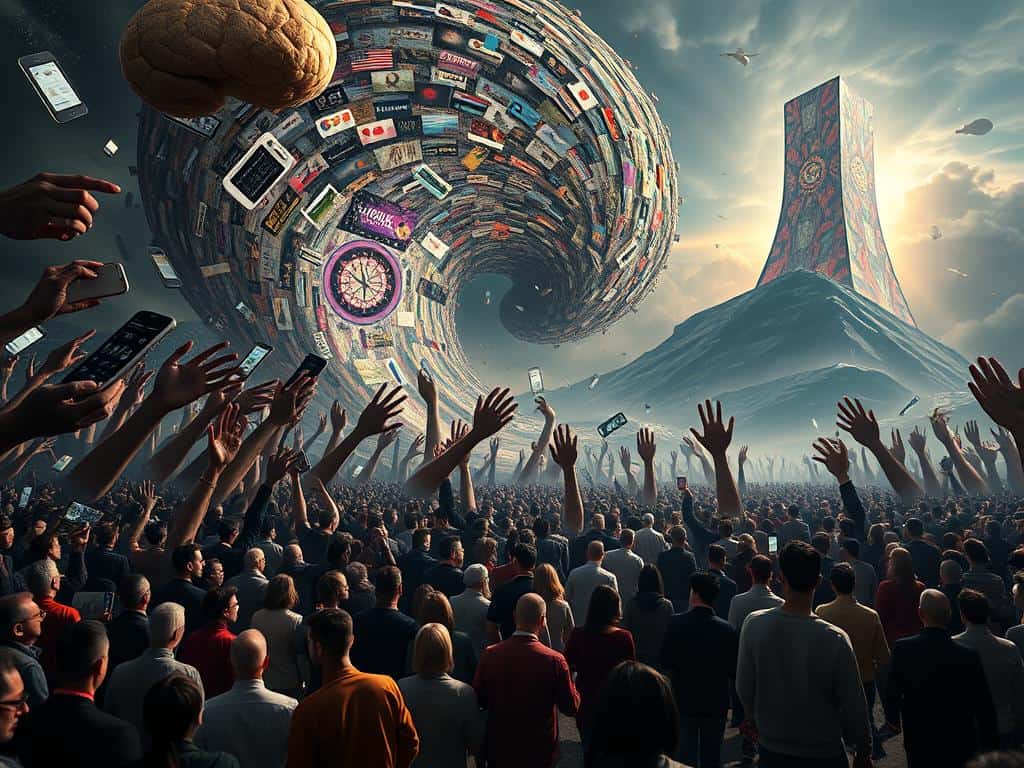
The Impact of Pop Culture on Consumerism
Pop culture deeply affects consumerism, shaping what we want to buy. It goes beyond just trends. It’s about how celebrities and society influence our choices.
How Celebrities Shape Our Choices
Celebrities can change what we think and buy. For example, Taylor Swift’s tour in 2024 boosted her search levels. This shows how stars can spark interest in products and music.
Brands like Levi’s and Ralph Lauren benefit from this. They use the fame of stars to stay popular.
Acceptance and Belonging: The Driving Forces
Wanting to belong drives us to buy certain things. Fast-fashion from Shein is a big example. Young people buy these clothes to fit in.
Nostalgia also plays a big role. It makes us want to buy old favorites. This is true for many, including those who grew up in the 2000s.
Case Studies of Absurd Trends in History
History is full of weird trends started by pop culture. Cowboy boots, for instance, became very popular. They became a symbol of a certain style.
Brands like Von Dutch also show how trends come and go. Even during tough times, like the Great Recession, music trends changed. These stories show how trends are often driven by a desire to belong and be accepted.
Conclusion
Our choices are often driven by emotions and social pressures, not just reason. Trends grow slowly, showing up when ideas really connect with people. On the other hand, fads pop up fast but then disappear quickly.
For example, a local pop singer’s support for red smartphones shows how one person can influence buying habits. This shows the importance of thinking carefully about what we buy and why.
This article points out the silly side of not being careful with trends. Knowing the difference between trends and fads helps me make smarter choices. It helps me see that good trends meet real needs, while bad ones don’t.
It’s key to think before following trends. By doing so, I can avoid following every trend and focus on ones that truly matter. This way, I can make choices that add value to my life.
In a world where pop culture shapes what we buy, being aware is powerful. It lets me make choices that are truly mine. This way, I can help create a more thoughtful way of consuming.

Leave a Reply
You must be logged in to post a comment.